US State Department to Issue Passports Featuring President Trump for Independence Bicentennial
Washington passport agency to distribute special edition passports with Donald Trump’s portrait marking 250 years of US independence.
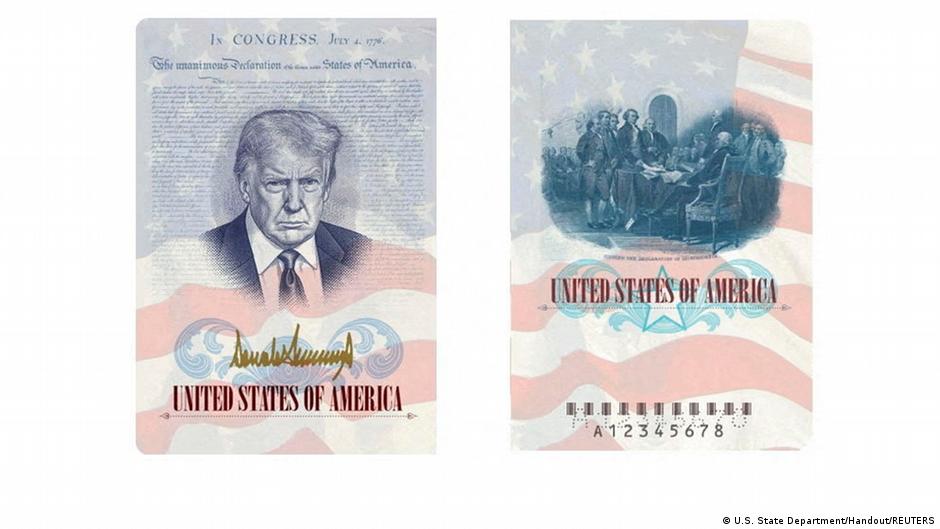
In a move underscoring the intertwining of politics and national symbolism, the US State Department announced plans to issue a special series of passports featuring the portrait of President Donald Trump in celebration of the country’s 250th anniversary of independence. These passports will be distributed exclusively by the passport agency in Washington, D.C., while other locations will continue issuing the standard design.
Strategic Significance and Corporate-Like Branding
The special edition passport design is notable for featuring President Trump’s face and signature in gold lettering on the inside front cover, an unprecedented personalization of a national identification document. On the reverse cover, a detail from John Trumbull’s iconic painting “Declaration of Independence” is depicted, replacing the usual artwork by Edward Percy Moran that currently adorns US passports.
“The issuance of a passport bearing the sitting president’s image reflects a strategic alignment of political leadership with national branding efforts, with potential implications for public perception and institutional identity.”
The number of passports to be issued with this design remains undisclosed, raising questions about the scope and the intended audience for this initiative. From a corporate strategy standpoint, this move can be seen as an effort to strengthen the personal brand of the sitting president by embedding it into a ubiquitous government document.
Furthermore, this initiative follows other symbolic acts such as the planned inclusion of President Trump’s signature on the $100 bill, replacing the longtime tradition of featuring the Treasury Secretary’s signature—a change not seen in 165 years. Additionally, the US Commission of Fine Arts approved a 24-karat gold coin commemorating the independence anniversary, featuring Trump’s image, which came after the administration replaced all commission members with loyalists in 2025.
Beyond these symbolic gestures, the Trump administration has also rebranded prominent US institutions and announced plans to name new naval vessels after the president, signaling a broader strategy of consolidating Trump’s legacy within American national identity and institutions.
For corporate governance and executive decision-making analysts, these developments highlight how political leadership can leverage state apparatus and national symbols to craft a personal corporate-like brand. This raises important considerations about the long-term impacts on the perception of state institutions, the politicization of federal agencies, and the potential challenges for future administrations in balancing national unity with individual legacies.