UK Revokes Accreditation of Russian Diplomat Amid Diplomatic Tit-for-Tat with Moscow
London responds to Russia's expulsion of British diplomat by withdrawing accreditation of a Russian envoy, escalating diplomatic tensions.
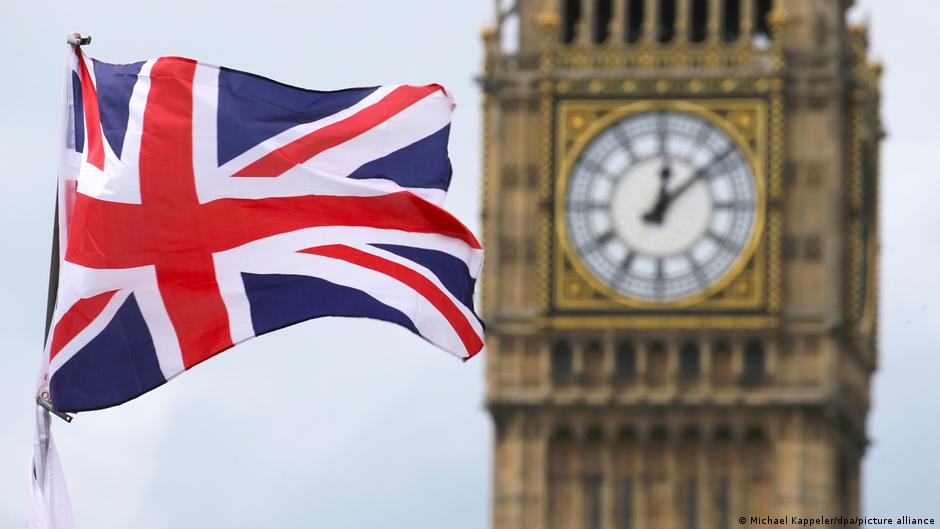
In a significant escalation of diplomatic tensions between the United Kingdom and Russia, the British Foreign, Commonwealth & Development Office (FCDO) has formally withdrawn the accreditation of a Russian diplomat in London. This move follows Russia's expulsion of a British diplomat accused of espionage, highlighting a growing cycle of reciprocal diplomatic measures impacting bilateral relations.
Diplomatic Retaliation and Strategic Implications
The UK government's decision to summon the Russian ambassador to London, Andrey Kelin, and announce the accreditation withdrawal was officially communicated on April 29. The British administration condemned what it described as an "unjustified" action by Moscow last month to expel another British diplomat, accompanied by a hostile public campaign aimed at discrediting the diplomat in question.
"We resolutely condemn Russia's unjustified expulsion of one of our diplomats and will not tolerate harassment or intimidation of our diplomatic staff," said a UK government spokesperson.
As part of a mirror response, London withdrew accreditation from a Russian diplomat, signaling that the UK views these actions as an aggressive pattern intended to undermine its diplomatic operations. Officials emphasized that any further provocations from Russia would be met with firm and proportionate responses, indicating a no-tolerance stance towards escalation.
Background of Espionage Allegations and Diplomatic Fallout
The current diplomatic friction stems from events earlier in 2024. On March 30, Russia's Federal Security Service (FSB) publicly accused Janske Van Rensburg, a second secretary at the British Embassy in Moscow, of conducting intelligence and subversive activities threatening Russian security. On this basis, the Russian Foreign Ministry revoked Van Rensburg's accreditation and ordered his departure within two weeks.
The UK Foreign Office promptly rejected the espionage claims as "completely unacceptable," reaffirming its commitment to protecting its embassy staff and their families against intimidation. The British government views these accusations as part of a broader aggressive stance by Moscow towards Western diplomatic missions.
This episode echoes a similar incident in January when Russia stripped accreditation from David Garrett Samuel, a 45-year-old British diplomat in Moscow, whom the FSB alleged to be an undeclared intelligence operative. These recurring expulsions and countermeasures illustrate an ongoing pattern of tit-for-tat actions that complicate diplomatic relations and may influence corporate and geopolitical risk assessments for business leaders operating in or with either country.
Corporate and Executive Considerations Amid Diplomatic Strains
For multinational corporations with interests in the UK and Russia, this diplomatic tit-for-tat underscores the volatility of the geopolitical environment. Executive decision-makers must account for such developments when evaluating risks related to international operations, regulatory environments, and potential disruptions in bilateral trade and cooperation.
Diplomatic retaliations of this nature can lead to heightened scrutiny of foreign businesses, restrictions on personnel movements, and uncertainty in regulatory frameworks. Boards and corporate strategists should monitor these dynamics closely and consider contingency planning that addresses the potential for rapid changes in the geopolitical landscape.
As London signals readiness to respond robustly to further Russian actions, stakeholders across industries must remain vigilant about the evolving diplomatic climate and its broader implications for trade, security, and multinational collaboration.