U.S. Military Strikes Gambian-Flagged Vessel Heading to Iran Amid Strait of Hormuz Blockade
CENTCOM confirms missile attack on ship defying U.S. blockade in the Strait of Hormuz, underscoring escalating maritime enforcement and geopolitical tensions.
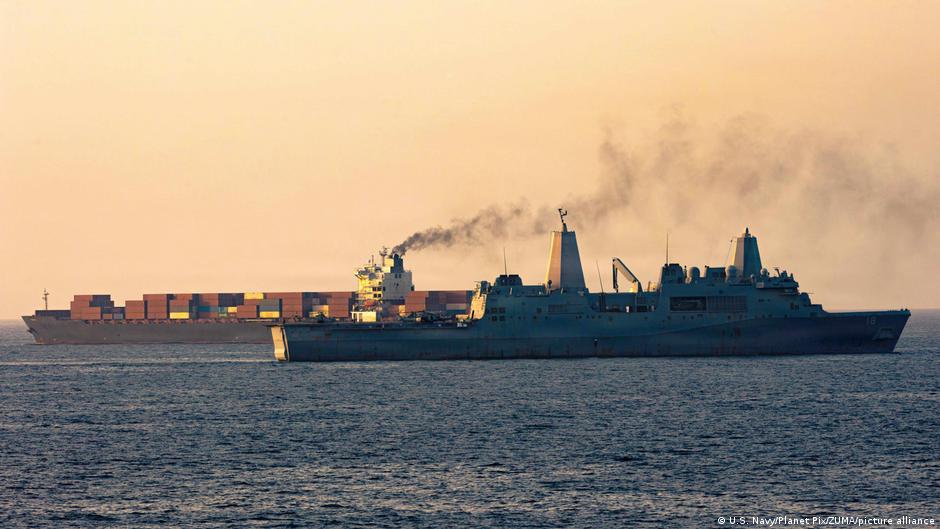
The United States military has struck a Gambian-flagged vessel traveling towards an Iranian port in the Gulf of Oman, following more than 20 warnings issued to the ship's crew. The incident highlights ongoing U.S. enforcement of a blockade in the strategic Strait of Hormuz amid fragile diplomatic relations with Iran.
Details of the U.S. Strike and Maritime Enforcement
The U.S. Central Command (CENTCOM) announced on May 30 that the cargo ship Lian Star was targeted by a U.S. aircraft after it continued to sail through international waters towards Iran despite repeated warnings. The military deployed a Hellfire missile aimed at the vessel’s engine room, incapacitating the ship and altering its course away from Iran.
"The U.S. aircraft disabled the vessel after the crew failed to comply with American blockade directives," CENTCOM stated, emphasizing the rigorous enforcement of maritime restrictions.
This action is part of the broader U.S. strategy to maintain a blockade of the Strait of Hormuz, a critical chokepoint for global oil shipments. Since April, when a ceasefire between Washington and Tehran was initiated alongside the blockade enforcement, the U.S. military has disabled five commercial ships and redirected 116 others believed to be linked to Iran.
Geopolitical Context and Boardroom Implications
The strike comes just hours after an Iranian missile attack on the U.S. Ali Al Salem Air Base in Kuwait resulted in minor injuries to five personnel and significant damage to two MQ-9 Reaper drones, each valued at approximately $30 million. The escalating maritime confrontations and military exchanges underscore persistent volatility in U.S.-Iran relations and complicate prospects for diplomacy.
Recent reports from U.S. officials indicate preliminary framework agreements for ending hostilities have been reached with Iran. However, U.S. President Donald Trump has delayed approval, conditioning any deal on fundamental demands – notably Iran’s abandonment of nuclear weapons development plans. Tehran, meanwhile, maintains that a final agreement has yet to be secured.
For corporate executives and board members within international shipping, energy, and defense sectors, these developments signal elevated risks and operational challenges in Middle Eastern maritime routes. The unpredictability of regional security policies requires ongoing assessment of supply chain vulnerabilities and geopolitical risk management strategies.
Strategic Considerations for Businesses
Organizations involved in maritime logistics and energy transportation must evaluate potential disruptions arising from such military enforcement actions. Insurance costs, rerouting expenses, and regulatory compliance concerns are likely to increase amid intensified U.S. blockade efforts and Iranian countermeasures, including Tehran’s blockade of vessels associated with the United States.
Moreover, defense contractors and drone manufacturers face direct implications from heightened conflict dynamics, as demonstrated by the destruction of expensive unmanned systems. This incident may prompt recalibrations in procurement, asset deployment, and risk mitigation planning within the defense industry.
In sum, the recent U.S. military strike on the Lian Star vessel is a salient example of how geopolitical tensions translate into tangible operational and strategic impacts for multinational corporations and investors engaged in or dependent on Middle Eastern maritime activities.