UN Peacekeeping Forces Shrink to 25-Year Low Amid Funding and Geopolitical Challenges
UN peacekeeping personnel numbers have declined to their lowest since 2000, driven by financing crises and geopolitical tensions.
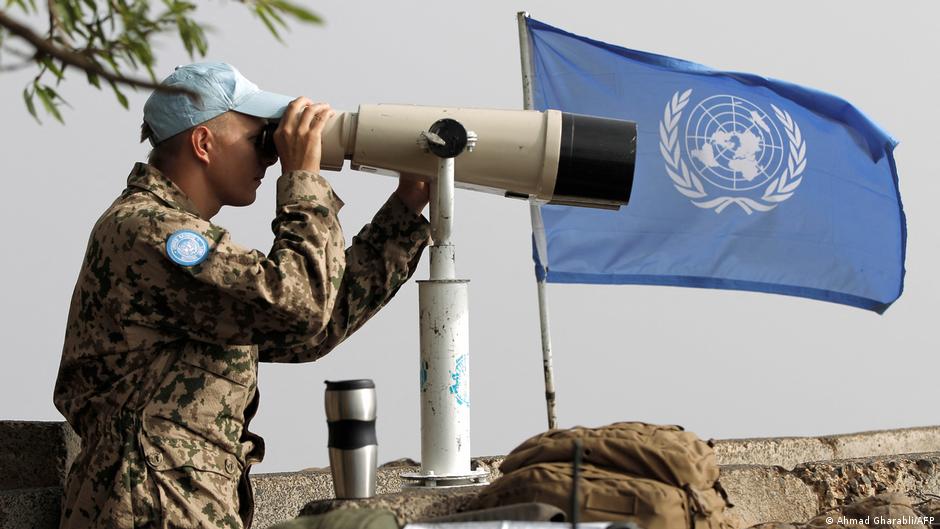
As of the end of 2025, the number of United Nations peacekeepers deployed globally has dropped to its lowest level in 25 years, according to a recent report by the Stockholm International Peace Research Institute (SIPRI). This decline reflects ongoing geopolitical tensions, political pressures, and chronic underfunding that have collectively impacted the UN's capacity to maintain peacekeeping operations worldwide.
Strategic Implications of Shrinking Peacekeeping Forces
SIPRI's report reveals that only 78,633 international personnel were engaged in UN peacekeeping missions worldwide as of December 31, 2025. This figure represents a 49% reduction since 2016 and is the lowest since the year 2000. The most significant annual decrease occurred in 2025 alone, with a 17% drop in peacekeeper numbers compared to the previous year.
"If this trend continues, we will witness a dramatic weakening of multilateral conflict resolution efforts and a near loss of relevance for institutions like the UN due to funding crises and geopolitical factors," said Yair Van Der Leyn, SIPRI's director of peacekeeping and conflict resolution programs.
Van Der Leyn warns that the waning presence of UN peacekeepers could lead to an increase in violent conflicts with severe consequences for civilian populations, especially as states retreat from established international norms. The reduction of peacekeeping personnel undermines the UN’s traditional role as a stabilizing actor in fragile conflict zones.
Throughout 2025, 58 international peacekeeping operations were active across 34 countries or territories, marking a decrease of four missions from 2024. Notably, the UN peacekeeping mission in Nagorno-Karabakh was among those not renewed. Geographically, Africa south of the Sahara and Europe hosted 18 operations combined, the Middle East and North Africa 14, North and South America five, and Asia and Oceania three. However, nearly three-quarters (73%) of all peacekeepers were concentrated in just five missions, predominantly in sub-Saharan Africa.
The financial crisis affecting peacekeeping efforts is acute. SIPRI reports that principal donor countries have either delayed or failed to meet their financial commitments. This resulted in a $2 billion shortfall in UN peacekeeping funding in July 2025 alone, accounting for 35% of the budget for 2024-2025 ($5.6 billion). The funding gap compelled the UN to significantly cut personnel in several peacekeeping missions.
Compounding these fiscal constraints are the complexities in renewing mission mandates within the UN Security Council. Persistent veto threats and political maneuvering by permanent members have hindered mandate extensions, as illustrated by the contentious negotiations over the UN Interim Force in Lebanon (UNIFIL). Despite ongoing ceasefire violations, the US pushed for the mission’s termination in August 2025, resulting in a last-minute compromise to extend the mandate only until December 2026.
Since 2014, no new UN peacekeeping mission mandates have been authorized, further limiting operational reach. While some regional organizations such as the African Union, ECOWAS, and the OSCE have deployed their own peacekeeping operations, they face similar funding shortages and political delays, particularly in conflict zones like Sudan and Ukraine.
Claudia Pfeiffer Cruz, senior researcher at SIPRI, emphasized the lack of viable alternatives to UN-led peacekeeping: "Regional organizations lack key capacities for integrated peacekeeping and suffer from similar challenges in funding and consensus-building as the UN. As UN conflict resolution efforts lose importance, a growing void emerges that other models cannot fill."
Despite these challenges, international commitment to peacekeeping remains broadly supportive. Over 130 UN member states participated in the UN Peacekeeping Ministerial held in Berlin in May 2025, affirming their backing of collective peace operations. Yet, as Pfeiffer Cruz notes, "Sustaining effective multilateral peacekeeping requires more than verbal support—it demands predictable financing and a solid political foundation for operational missions."
Boardroom and Corporate Strategy Considerations
The decline in UN peacekeeping capabilities due to funding and political complexity presents risks and opportunities for multinational corporations, especially those operating in fragile or conflict-affected markets. Companies with exposure in regions where peacekeeping missions are scaling down must carefully assess geopolitical risks, supply chain vulnerabilities, and security contingencies.
Moreover, corporate executives and boards should monitor how shifts in multilateral conflict management may influence regulatory environments, humanitarian considerations, and global stability. Strategic engagement with international bodies and advocacy for stable peacekeeping funding could become part of corporate social responsibility and risk mitigation frameworks.
In an increasingly fragmented geopolitical landscape, the weakening of UN peacekeeping efforts underscores the importance for businesses to incorporate geopolitical risk intelligence into strategic planning and operational resilience measures.