UAE Faces Renewed Iranian Missile and Drone Attacks Amid Fragile US-Iran Ceasefire
Iran launched multiple missile and drone strikes on UAE targets for the first time in a month, prompting strong condemnation and strategic reassessments.
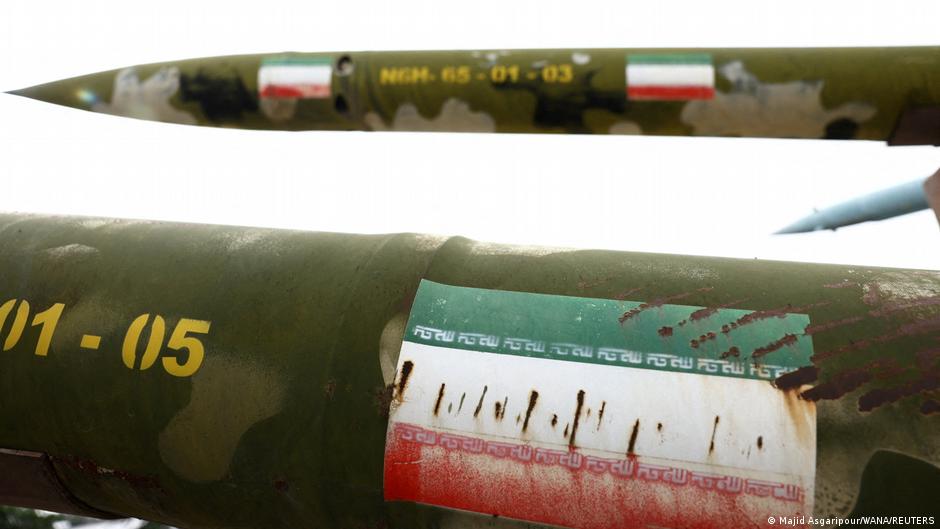
The United Arab Emirates (UAE) has reported a significant escalation in regional tensions as Iranian forces conducted missile and drone attacks on its territory, marking the first such offensive since the fragile ceasefire agreement between the United States and Iran was established earlier this year.
Details of the Attacks and Immediate Responses
According to the UAE Ministry of Defense, air defense systems intercepted 19 incoming threats, including 12 ballistic missiles, three cruise missiles, and four unmanned aerial vehicles (UAVs) launched from Iran. The strikes targeted areas including the critical oil industrial complex at Al-Fujairah, where a drone impact caused a fire and injured three Indian nationals who were hospitalized.
In response to the attacks, educational institutions in the UAE shifted to online learning from May 5 to May 8, underscoring the immediate domestic disruptions caused by the security breach. The UAE government condemned the attacks as a "dangerous escalation" and asserted its full and lawful right to retaliate, signaling potential strategic recalibrations in its defense posture.
"The UAE firmly condemns these attacks and reserves the right to respond accordingly," stated the Ministry of Foreign Affairs, emphasizing the seriousness with which the government views the violation of its sovereignty.
While Iranian state media cited a senior military official denying premeditated plans to attack the UAE, the sequence of events points to a deliberate act that undermines the ongoing ceasefire dynamics in the region.
Broader Regional and Geopolitical Implications
Concurrently, reports emerged from Oman concerning a missile strike near the border city of Bukha, resulting in damage to residential property and injuries to two expatriate workers. Such spillover effects exacerbate the security dilemma in the Gulf region.
Former US President Donald Trump weighed in via social media, alleging Iranian strikes on multiple targets including a South Korean vessel in the strategically vital Strait of Hormuz. He cited US military action destroying seven Iranian boats, claiming that Iran’s naval capabilities are significantly diminished.
In a strategic move, the United States announced the initiation of "Project Freedom," aimed at escorting vessels stuck in the Strait of Hormuz, a critical chokepoint for global oil shipments. Iran has responded by warning that American involvement in shipping lanes will be interpreted as a violation of the ceasefire agreement effective since April 8.
Germany’s Chancellor Friedrich Merz publicly condemned the attacks and expressed solidarity with the UAE. He underscored the necessity for Tehran to reengage in diplomatic negotiations, halt regional provocations, and cease nuclear weapons development, framing these actions as imperative to regional stability and global security.
Corporate and Strategic Considerations
The attacks have immediate implications for businesses operating in the Gulf, particularly in the energy sector. The security of critical infrastructure such as oil refineries and shipping lanes is paramount for global markets, and increased hostilities raise risks of supply disruptions. Corporate executives and board members of multinational firms with Gulf interests must reassess risk exposure, security protocols, and contingency plans.
Furthermore, the volatility may influence investment climates and insurance premiums in the region, compelling strategic recalibrations. The situation also spotlights the delicate balance of power and the complexities of navigating geopolitical risk amid competing interests of global and regional actors.