Germany Transfers Nord Stream Power Plant to Ukraine as Part of Humanitarian Aid
Germany will hand over the gas-fired power plant that served the Nord Stream pipeline to Ukraine under self-pickup terms, supporting Ukraine’s energy infrastructure.
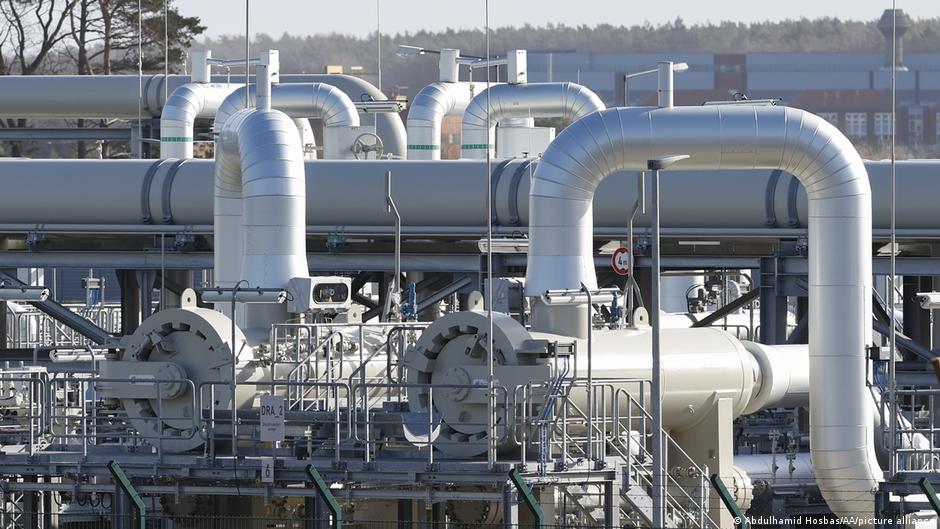
Germany has announced plans to transfer a gas-fired combined heat and power plant, formerly serving the Nord Stream pipeline, to Ukraine as part of its humanitarian assistance. The plant will be handed over on a self-pickup basis, according to Sefe Securing Energy for Europe, the German company formerly known as Gazprom Germania.
Strategic and Economic Implications of the Transfer
The power plant in question is located in Lubmin near Greifswald and is owned by Industriekraftwerk Greifswald GmbH (IKG). It played a crucial role in providing technological heat during the transit of Russian gas through the Nord Stream pipeline into Germany’s gas network. The facility has a capacity of 84 MW of combined heat and power, according to German broadcaster NDR.
Since Russia curtailed and eventually halted gas supplies through Nord Stream in the summer of 2022, following the onset of the conflict in Ukraine, the plant’s operation became economically unfeasible. The Nord Stream pipeline, along with the never-commissioned Nord Stream 2, suffered significant damage from explosions and is no longer operational. Germany has also committed to phasing out Russian gas imports as part of its broader energy and geopolitical strategy.
Sefe, the majority owner of IKG, confirmed that with the cessation of Russian gas flows in September 2022, the plant ceased operations in 2023 due to the absence of alternative heat consumers. Attempts to find a buyer for the facility were unsuccessful, prompting the decision to transfer the plant to Ukraine.
"This decision is economically expedient for the company as it avoids dismantling and disposal costs, while also supporting Ukraine's energy infrastructure," representatives from Sefe stated.
From a corporate strategy perspective, the transfer represents an alignment of business decisions with Germany's geopolitical commitments and humanitarian stance. The move avoids further financial losses from maintaining or decommissioning the idle plant and positions the company as a contributor to Ukraine’s energy resilience amid ongoing conflict.
For Ukraine, acquiring this plant can help bolster its energy capacity, which has been under significant strain due to the war. The self-pickup condition places logistical responsibilities on the Ukrainian operator but reflects the practical considerations of relocating industrial assets internationally during a conflict.
This transaction also exemplifies the evolving role of energy companies in navigating complex geopolitical challenges, balancing operational sustainability with corporate social responsibility and international diplomacy.