Trump Postpones Planned Military Strike on Iran Amid High-Level Gulf Diplomatic Pressure
US President Donald Trump delays May 19 attack on Iran following intervention by Gulf leaders and ongoing intense negotiations.
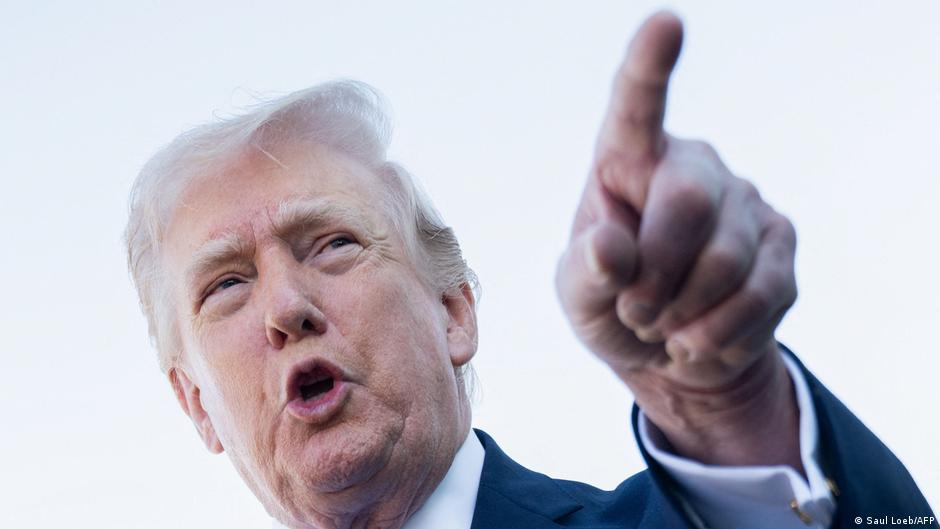
On May 18, 2020, President Donald Trump announced via his social media platform that he had postponed a "planned military strike on the Islamic Republic of Iran" originally scheduled for May 19. The decision, according to Trump, came after direct appeals from key Gulf leaders, including the Emir of Qatar, the Crown Prince of Saudi Arabia, and the President of the United Arab Emirates.
Diplomatic Intervention and Strategic Calculations
Trump stated that the Emir of Qatar, Sheikh Tamim bin Hamad Al Thani; Saudi Arabia's Crown Prince and Prime Minister, Mohammed bin Salman Al Saud; and UAE President Sheikh Mohammed bin Zayed Al Nahyan urged him to reconsider the attack. Their rationale, as per Trump, was that ongoing "serious negotiations" could result in an agreement acceptable to the United States and all Middle Eastern countries involved or affected.
"The deal will include a ban on nuclear weapons for Iran," Trump asserted, emphasizing his administration's demand for a nuclear-free Iran.
Despite the postponement, the President indicated readiness for military action, instructing Defense Secretary Mark Esper, Joint Chiefs Chairman Mark Milley, and US Forces to remain prepared to execute a full-scale offensive against Iran at any moment should negotiations fail to yield a satisfactory agreement.
Unveiling U.S. Negotiation Demands and Iranian Responses
Details about the intended attack date and diplomatic exchanges had not been publicly disclosed prior to Trump's announcement. Iranian Foreign Ministry representatives confirmed that Tehran's position had been communicated to Washington through Pakistan.
The Iranian state news agency Fars published a list of five demands reportedly made by the United States to Iran ahead of a second round of peace talks. These included:
- No compensation claims from Iran for damages caused during the ongoing conflict involving the U.S. and Israel starting February 28;
- The removal of 400 kilograms of enriched uranium from Iranian territory;
- Limiting Iran's nuclear program to a single nuclear facility;
- Refusal to unfreeze even 25% of Iran's frozen assets;
- Linking the cessation of hostilities directly to the progress of negotiations.
Iranian officials criticized these demands as attempts by the United States to achieve war objectives through negotiation, which had previously been unattainable militarily. Iran pointed out that the threat of aggression from the U.S. and Israel would persist even if their conditions were met. The Iranian-sponsored Mehr news agency described the talks as being in a "deadlock."
Fars also reiterated Iran's initial conditions for negotiation, which include ending hostilities not only with the U.S. but also in Lebanon, lifting sanctions, unfreezing all Iranian assets, compensating for war-related damages, and recognition of Iranian sovereignty over the Strait of Hormuz. The U.S. demands were framed as a direct response to these Iranian proposals.
According to Fars sources, Iran will not return to direct negotiations without fulfillment of its prerequisites, viewing them as minimal trust-building measures.
Implications for Regional Stability and U.S. Strategic Posture
The fragile ceasefire brokered in April through Pakistani mediation remains fragile, with both sides violating agreements. Since April 13, the U.S. Navy has enforced a blockade of Iranian ports, while Iranian drones have persistently targeted shipping in the Strait of Hormuz and other Gulf facilities.
For American executives and policymakers, these developments highlight the complex interplay of military readiness, diplomatic maneuvering, and alliance management in a volatile region critical to global energy markets and geopolitical stability. The administration’s strategy seeks to balance deterrence with negotiation, aiming for a peaceful resolution that preserves U.S. interests without escalating to extensive conflict.