US Military Conducts Defensive Strikes in Southern Iran Amid Rising Regional Tensions
CENTCOM reports targeted actions to protect US forces from Iranian threats under current ceasefire agreements.
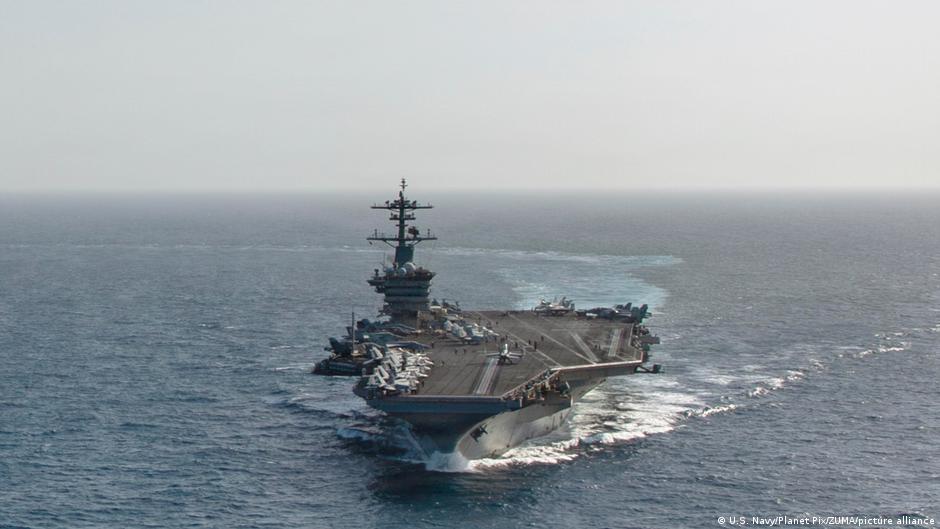
In a strategic move underscoring ongoing regional volatility, the United States military executed defensive strikes on key sites in southern Iran. According to Tim Hawkins, spokesperson for the US Central Command (CENTCOM), these operations targeted missile launch facilities and vessels attempting to deploy naval mines.
Protecting American Forces Under Ceasefire Conditions
The strikes, carried out overnight on May 26, were described by CENTCOM as necessary defensive measures to safeguard American personnel against threats posed by Iranian forces. This operation occurred within the framework of an existing ceasefire agreement between the United States and Iran, which has been in effect since April 8.
"CENTCOM continues to ensure the protection of our troops while exercising restraint during the current ceasefire," Hawkins stated.
The targeted sites included missile launch pads and vessels actively engaged in attempts to lay naval mines, activities viewed as direct threats to US military assets operating in the region. These actions signal a calculated approach designed to mitigate risks without escalating the conflict beyond current limits.
Geopolitical and Corporate Strategic Implications
This development highlights the precarious balance US leadership faces in managing military engagements and diplomatic negotiations with Iran. President Donald Trump’s recent remarks on social media emphasize a dual-path approach: pursuing either a comprehensive peace deal or preparing for intensified hostilities if negotiations fail.
From a corporate strategy perspective, the US government’s military decisions carry significant implications for global markets and multinational companies with interests in the region. Energy companies, defense contractors, and international logistics firms must closely monitor these geopolitical undercurrents, as disruptions in the Persian Gulf can impact oil supply chains, insurance costs, and security protocols.
Investors and executives should anticipate potential volatility linked to these military actions and diplomatic postures. The possibility of a "great deal" or a return to escalated conflict necessitates contingency planning in risk management frameworks, particularly for industries reliant on Middle Eastern stability.
Looking Ahead
While the ceasefire has provided a temporary reduction in hostilities, the US military’s recent strikes underscore ongoing security challenges. The US administration's messaging suggests an openness to both diplomacy and military readiness, reflecting a complex strategic calculus at the highest levels of government.
Corporate boards and executive teams must remain vigilant to these developments, as any shift in US-Iran relations could rapidly alter the operational landscape for American businesses abroad. Strategic decisions regarding investment, supply chain adjustments, and stakeholder communications should integrate geopolitical risk assessments to navigate this evolving environment effectively.