US State Department Announces Ceasefire Agreement Between Israel and Lebanon After Intense Negotiations
Israel and Lebanon, brokered by the US, agree to ceasefire contingent on Hezbollah's disarmament and troop withdrawal south of the Litani River.
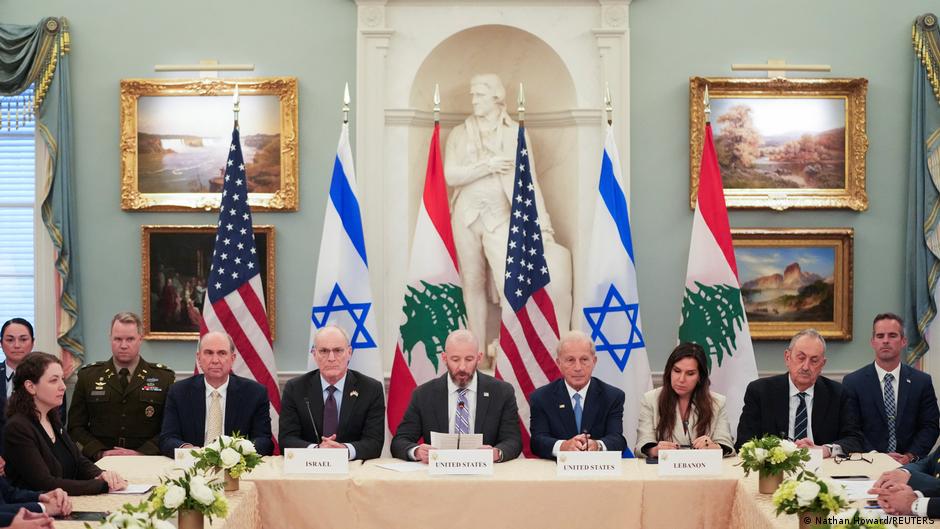
The United States Department of State announced on June 3 that Israel and Lebanon have reached a ceasefire agreement, facilitated by American diplomatic efforts. The agreement outlines a complete cessation of hostilities by the Lebanese militant group Hezbollah and calls for the withdrawal of its fighters from the region south of the Litani River.
This trilateral declaration follows intensive two-day negotiations held in Washington involving representatives from Israel, Lebanon, and the United States. The accord is viewed as a critical step toward stabilizing a volatile region that has experienced escalating conflict since March.
Strategic Implications and Corporate Considerations
The ceasefire agreement entails the establishment of pilot zones under exclusive control of the Lebanese Armed Forces, signaling a move to restore state sovereignty in contested southern territories. This development could have significant implications for international businesses and investors operating in the Middle East, particularly those involved in infrastructure, energy, and security sectors.
"The success of this ceasefire hinges on Hezbollah’s full compliance with the disarmament and withdrawal conditions," stated the US State Department, underscoring the fragile nature of the accord.
Following the ceasefire, Lebanon and Israel plan to resume direct negotiations during the week starting June 22 to work toward a comprehensive peace agreement addressing outstanding issues.
Renewed hostilities had intensified after the killing of Iran’s Supreme Leader Ayatollah Ali Khamenei in a joint US-Israeli operation. Hezbollah responded with rocket attacks on Israeli territory, prompting a robust air and ground response from Israel, including strikes in Beirut and a ground offensive establishing a buffer zone along the border.
The ongoing conflict has resulted in significant casualties. Lebanese health authorities report approximately 2,200 fatalities, including many civilians, while Israeli military sources estimate over 1,700 Hezbollah militants killed since March. The precise number of civilian casualties on the Israeli side remains unclear.
Diplomatic efforts to de-escalate the conflict began with historic direct talks in Washington on April 14, the first since 1993, followed by a US-brokered ceasefire announcement on April 16. Despite a 45-day ceasefire extension, intermittent violence resumed, complicating peace efforts.
Reports surfaced on June 1 that US President Donald Trump reprimanded Israeli Prime Minister Benjamin Netanyahu for ordering strikes near southern Beirut, which had jeopardized ongoing negotiations. Tehran announced suspension of talks with Washington following these attacks, though President Trump denied termination of negotiations and emphasized their rapid continuation.
In a social media statement, Trump highlighted his role in securing the ceasefire between Israel and Lebanon, framing it as a diplomatic achievement to sustain dialogue and prevent further escalation.
For corporate leaders and strategists, the evolving dynamics underscore the importance of monitoring geopolitical risks in the region. The ceasefire offers a window for stabilizing operations and reassessing market exposure amid continued uncertainty surrounding Hezbollah’s compliance and the broader US-Iran conflict.