US Military Conducts 11th Consecutive Night of Strikes Against Iranian Targets
CENTCOM reports series of coordinated attacks to degrade Iran’s military capabilities amid rising regional tensions
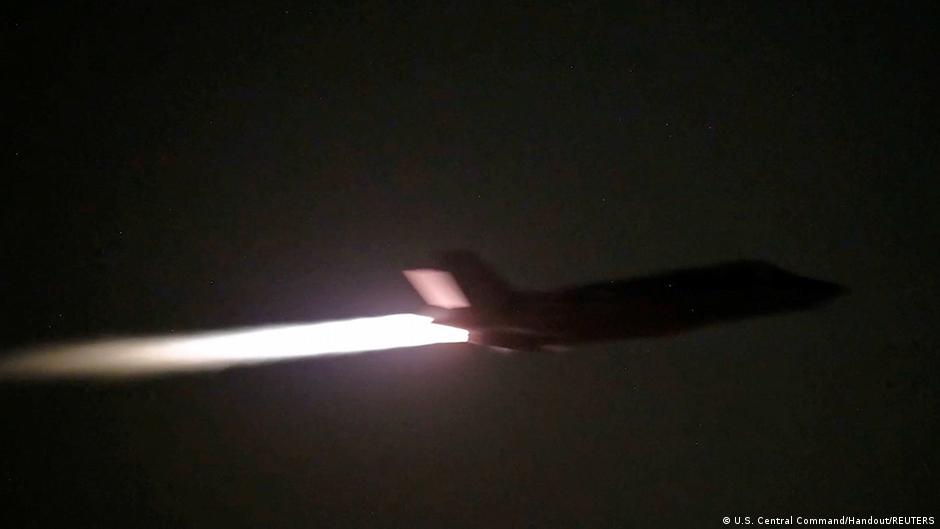
The United States Central Command (CENTCOM) announced a continued offensive campaign against Iranian military and strategic assets, marking the 11th consecutive night of air strikes targeting multiple locations across Iran. The operations, which resumed on the evening of July 21, lasted approximately 75 minutes and aimed to weaken Iran’s ability to threaten commercial shipping in the Strait of Hormuz.
Strategic Objectives and Operational Impact
According to CENTCOM, the strikes were carried out against Iranian military operational centers, naval forces, aviation hangars, drone storage facilities, and military logistics infrastructure. The objective is to further degrade Tehran’s capacity to disrupt vital maritime trade routes that funnel significant volumes of crude oil through the Strait of Hormuz — a critical chokepoint for global energy supplies.
Over the past three months, Iran has reportedly launched attacks on more than 30 commercial vessels traversing the strait. Despite these provocations, CENTCOM asserts that the waterway remains open for international shipping. Since early May, U.S. military forces have facilitated the transit of approximately 900 commercial ships and the transport of 450 million barrels of crude oil through the area.
However, data from the London Stock Exchange indicates that the volume of shipping traffic has been substantially lower, with only four vessels passing through on July 19 and eight on July 18, reflecting the heightened risks and regional instability.
Escalation and Iranian Retaliation
On July 21, Iran launched missile and drone attacks targeting Camp Arifjan, a key U.S. military base located in Kuwait. Kuwaiti authorities reported their air defense systems successfully intercepted incoming missiles and drones. Iranian Revolutionary Guard Corps (IRGC) announced the so-called "sixth wave" of their Nasr 2 operation, claiming attacks on American military installations in Kuwait and Bahrain. These claims have yet to be independently verified.
Earlier, on July 20, Iran responded with attacks in the Persian Gulf region using missiles and unmanned aerial vehicles, which were also reported by Kuwait and Jordan, signaling a cycle of retaliatory strikes between the two nations.
"Each time Iran kills an American soldier, it will pay multiple times over," President Donald Trump declared on July 21, emphasizing a stern U.S. stance on Iranian aggression and communicated directly to the Department of Defense leadership.
On July 18, Iran officially terminated a provisional ceasefire agreement reached with the United States in June, which had aimed to establish a final peace accord within 60 days. This termination has further intensified hostilities and uncertainty in the region.
Implications for U.S. Military and Regional Stability
Since the resurgence of conflict in late February, CENTCOM has confirmed the deaths of 17 U.S. military personnel, including three fatalities reported during the recent escalation. These losses underscore the grave risks U.S. forces face amid the sustained campaign against Iranian targets.
For U.S. corporate stakeholders, particularly in the energy and shipping industries, continued instability in the Strait of Hormuz presents a significant challenge. Disruptions to crude oil transit could impact global supply chains and commodity prices, while escalating military conflict raises concerns over the security of personnel and assets in the broader Middle East region.
Executive decision-makers must closely monitor developments as the cycle of attacks and counterattacks continues, evaluating potential impacts on operational risk, insurance liabilities, and long-term strategic engagement in the Middle East.