Germany Approves Arms Exports to Israel Amid Ongoing Conflict and Strategic Calculations
Despite partial embargoes and political tensions, Berlin authorized multimillion-euro weapons deliveries to Israel during escalating Middle East hostilities.
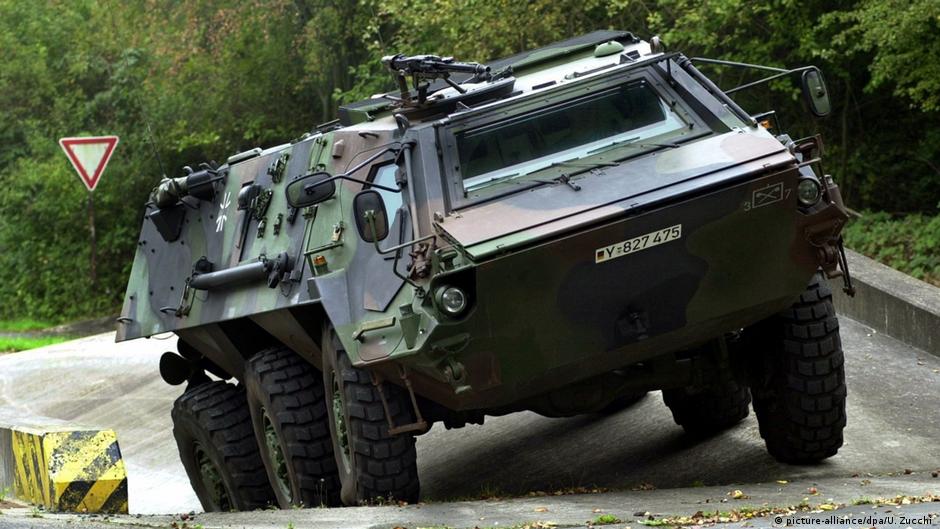
Germany's Arms Export Policy Amidst Middle East Conflict
In the turbulent context of the U.S. and Israeli military actions against Iran starting February 28, 2025, Germany continued to greenlight arms exports to Israel. Between February 28 and March 27, Berlin approved weapon deliveries worth €6.6 million, despite existing export regulations that generally prohibit arms shipments to war or crisis zones. This information was disclosed by the German Press Agency (dpa) on April 16, citing responses from the Federal Ministry for Economic Affairs to parliamentary inquiries from Ulrich Thoden, a member of the Left Party.
Germany's current arms export guidelines, established in 2000 under the then red-green coalition government, maintain a general ban on deliveries to conflict zones. However, exceptions exist for specific cases, notably for supporting Ukraine in its defensive war against Russia, and for Israel — considered a special case due to longstanding political and strategic alliances.
Historical Context and Recent Developments
Following the October 7, 2023, Hamas terrorist attack on Israel, the German government initially increased arms deliveries as a gesture of solidarity with Israel. Under Chancellor Olaf Scholz’s administration, export licenses totaling nearly €500 million were issued to supply Israel with weapons.
However, the ongoing conflict and international criticism of Israel’s military operations precipitated a policy shift under Chancellor Friedrich Merz. On August 8, 2025, Merz ordered a temporary halt on new arms export permits intended for use in the Gaza conflict. "Solidarity with Israel does not imply unconditional support for every decision made by its government," Merz stated, emphasizing that Germany was not obligated to extend military assistance regardless of circumstances.
"Solidarity with Israel does not mean that we consider every decision made by any government as correct, nor are we obliged to support it up to and including military aid with weapons." — Chancellor Friedrich Merz
This partial embargo generated significant friction both within Israel and among Merz’s own Christian Democratic Union (CDU) party members. After approximately three and a half months, Berlin lifted these restrictions following a ceasefire agreement between Israel and Hamas. Even during the embargo, however, the Ministry of Economic Affairs data indicates that export permits worth €10.44 million were still granted.
Political and Corporate Implications in Germany
Ulrich Thoden, representing the Left Party, strongly criticized the federal government for continuing to issue export licenses, claiming that such actions exacerbate the wider conflict involving Iran. Thoden demanded an immediate and complete cessation of arms exports to Israel, arguing that military-industrial interests prioritize profits over peace.
"The interests of the military-industrial complex never serve peace — neither in the Middle East nor anywhere else," Thoden asserted. "On the contrary, they fuel wars that claim countless lives and can deprive entire populations of economic prosperity."
For German businesses involved in arms manufacturing and export, these developments underscore the complex interplay between executive decisions, geopolitical strategy, and ethical considerations. Corporate leaders and board members must navigate shifting government policies, balancing compliance risks, reputational considerations, and strategic opportunities tied to defense contracts.
Germany’s handling of arms exports during the volatile Middle East conflict reflects broader challenges faced by Western governments in aligning foreign policy, national security interests, and commercial imperatives within the defense sector. Observers note that the selective application of embargoes and exceptions highlights the political calculus underpinning export approvals, requiring continuous executive level scrutiny and adaptive corporate governance to respond to evolving international relations.