US Senate Rejects Resolution to End Hostilities with Iran, Upholds Executive War Powers
Senate votes against limiting presidential authority to conduct military operations without congressional approval amid ongoing Iran conflict.
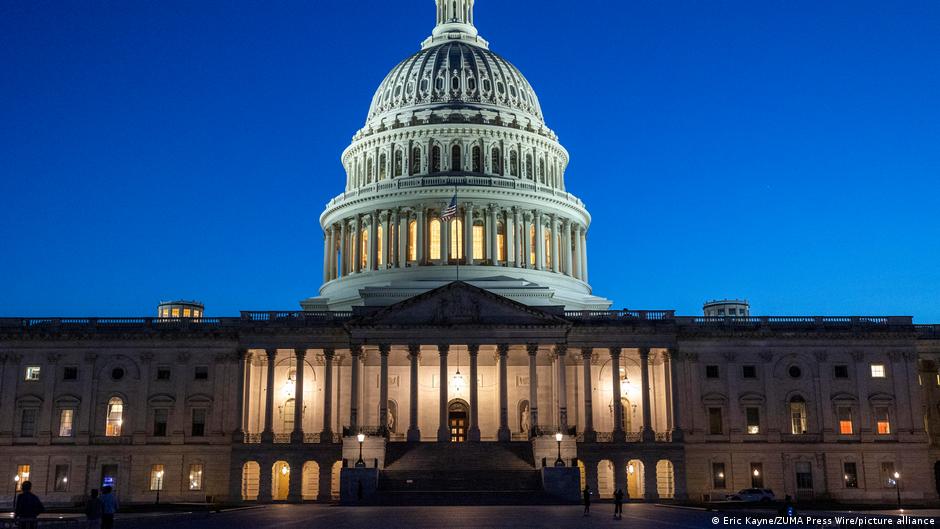
The United States Senate has, for the fourth time within a year, declined to restrict the president's authority to engage in military actions without explicit congressional consent. This latest vote centered on a resolution aimed at compelling the Trump administration to cease hostilities against Iran and withdraw American forces from the conflict zone pending formal congressional approval of further force use.
Initiated by Democratic senators, the resolution sought to enforce the War Powers Act requirement that military engagements receive congressional sanction within 60 days. However, the Senate vote on April 15 resulted in 47 senators in favor and 52 against, reflecting the Republican-controlled chamber's reluctance to curtail presidential war powers.
Executive vs. Legislative Authority in Military Engagements
The 1973 War Powers Resolution mandates that the president must obtain congressional authorization for armed conflict within 60 days of deployment, with a possible 30-day extension. Critics argue that the Trump administration’s ongoing operations against Iran violate this statute by proceeding without explicit legislative approval. Democrats have characterized the conflict as unlawful and have pledged to pursue further votes to end U.S. military involvement.
“The military campaign against Iran is illegal and lacks sufficient justification,” stated Democratic proponents of the resolution, emphasizing their commitment to continuing legislative efforts until the conflict concludes.
The Senate’s decision to reject the resolution underscores a broader tension between the executive and legislative branches over control of war-making decisions. The GOP majority's opposition reflects strategic considerations about maintaining presidential flexibility in foreign policy and national security matters.
Congressional leaders have expressed anticipation that the Trump administration will soon present a detailed plan outlining steps toward de-escalation and conflict resolution. Meanwhile, debates over congressional prerogatives in authorizing military force remain a prominent issue in U.S. domestic politics and governance.
From a corporate governance perspective, this ongoing dispute highlights the importance of executive decision-making autonomy in high-stakes geopolitical contexts. American businesses with international exposure may face risks related to sudden shifts in foreign policy or military engagement, reinforcing the need for boardrooms to monitor political developments closely.
As the Senate continues to defer to the executive branch on war powers, companies engaged in defense, energy, and global supply chains should evaluate contingency strategies against potential escalations or prolonged conflicts. The legislative-executive dynamics underscore the complexity of navigating geopolitical risks in corporate strategy and risk management.