Friedrich Merz’s Inner Circle Denies Plans for Early Chancellor Replacement Amid Political Turmoil
Sources close to German Chancellor Friedrich Merz dismiss rumors of his premature departure as baseless amid internal CDU debates.
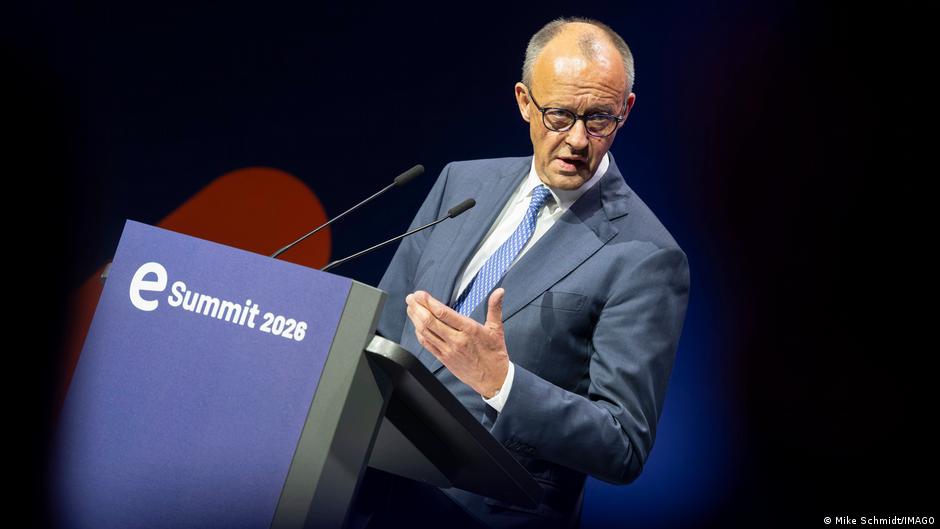
Amid swirling rumors about a potential early replacement of German Chancellor Friedrich Merz, sources within his close circle have firmly denied any preparations for his premature exit. The denials come in response to reports by German media outlets Stern and Bild, which suggested that the Christian Democratic Union (CDU) is discussing a leadership change before the end of Merz’s term.
Challenging the Speculation: Political and Constitutional Realities
Insiders close to Merz described the idea of a sudden leadership change as "absurd speculation," warning that such rumors reveal a "dangerous propensity for incitement" and a "startling lack of understanding of both constitutional and political realities." The denials emphasize that the internal stability of the CDU remains intact, despite public speculation fueled by the party’s challenges amid ongoing domestic and global crises.
"These rumors serve the narrative of the far-right Alternative for Germany (AfD) party and undermine the political center’s authority at a critical time," said a source close to Merz.
The reports had named several potential successors within the CDU, including Hendrik Wüst, Minister-President of North Rhine-Westphalia; Markus Söder, Minister-President of Bavaria; and Jens Spahn, leader of the CDU/CSU parliamentary group. These figures are reportedly under consideration as possible "chancellors of change" to replace Merz.
However, political analysts highlight the constitutional and political complexities involved in such a transition. An early replacement of the chancellor would require either Merz to voluntarily pave the way for new elections during the current Bundestag term or to resign under pressure from influential party figures. Subsequently, a joint election of a new chancellor by the CDU/CSU and the Social Democratic Party of Germany (SPD) would be necessary, a process fraught with political challenges and uncertainty, including whether the SPD would agree to such a move.
Political Context: Declining Approval Ratings and Strategic Implications
The speculation about leadership change arises amid declining public support for Merz’s government. According to a May Deutschlandtrend poll, dissatisfaction with the current federal cabinet has reached its highest point since the coalition took office, with 86% of Germans expressing discontent. Merz’s personal approval rating has likewise dropped to 16%, marking the lowest level since he assumed office.
These figures underscore the pressures facing Merz and the CDU as they navigate a turbulent political landscape characterized by domestic challenges and broader geopolitical uncertainties. The party is confronting internal debates over leadership while striving to maintain cohesion and public trust.
For American business leaders and corporate strategists, the situation in Germany offers a case study in how political stability—or the lack thereof—can impact policymaking and economic confidence in a major global economy. The CDU’s internal deliberations and Merz’s leadership stability will likely influence Germany’s economic policies, regulatory environment, and international partnerships, all critical factors for companies operating in or with Europe’s largest economy.