Austria Plans to Extend Mandatory Military Service Amid Rising Security Concerns
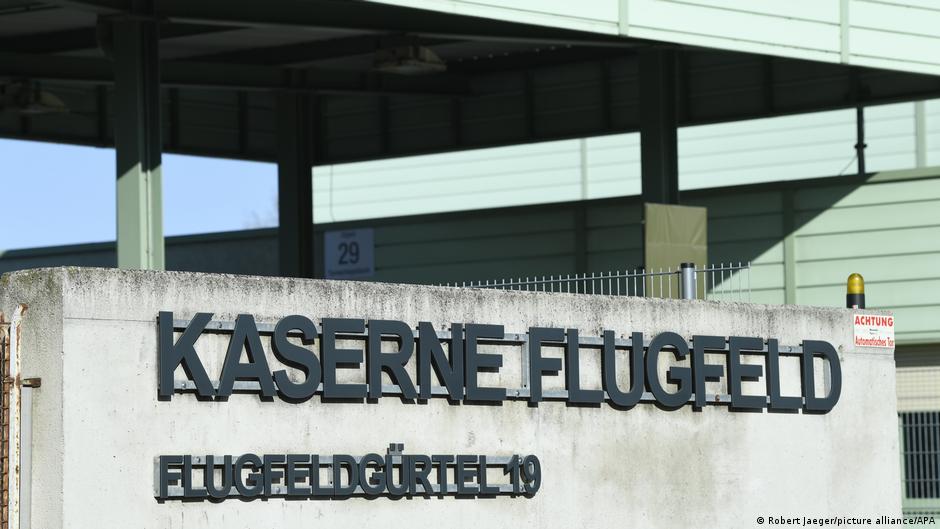
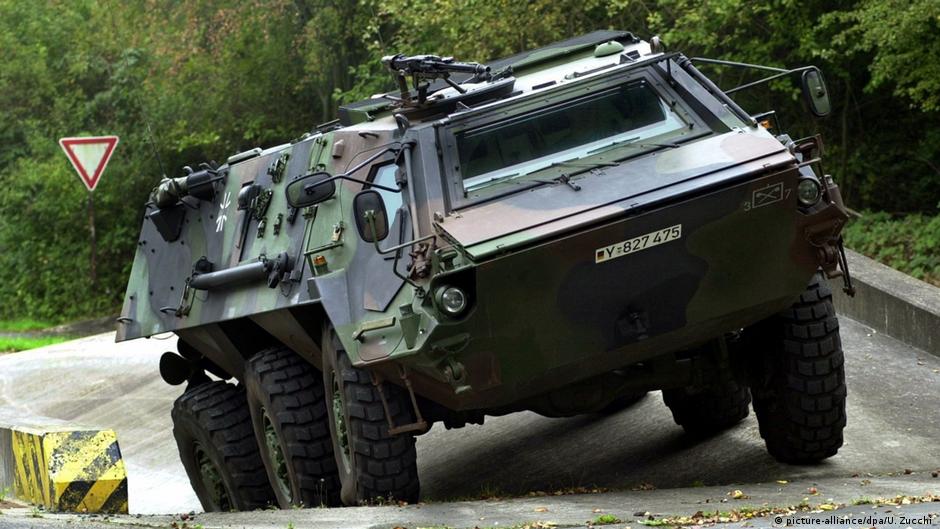
Austria plans to extend mandatory military service to nine months, enhancing training and pay amid growing security threats and geopolitical tensions in Europe.
Austria plans to extend mandatory military service to nine months, enhancing training and pay amid growing security threats and geopolitical tensions in Europe.
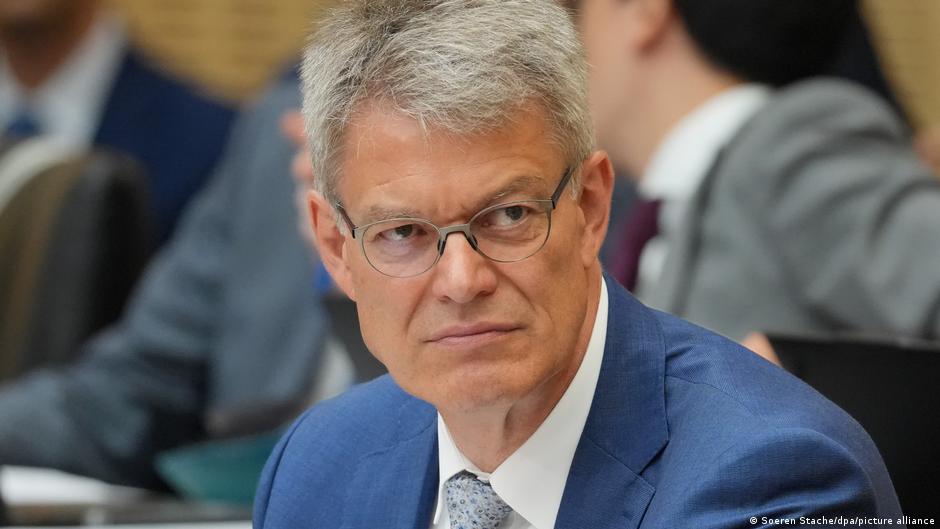
Germany’s Transport Minister Patrick Schnieder resigns amid internal CDU tensions; Chancellor Friedrich Merz to nominate Steffen Bilger as successor.

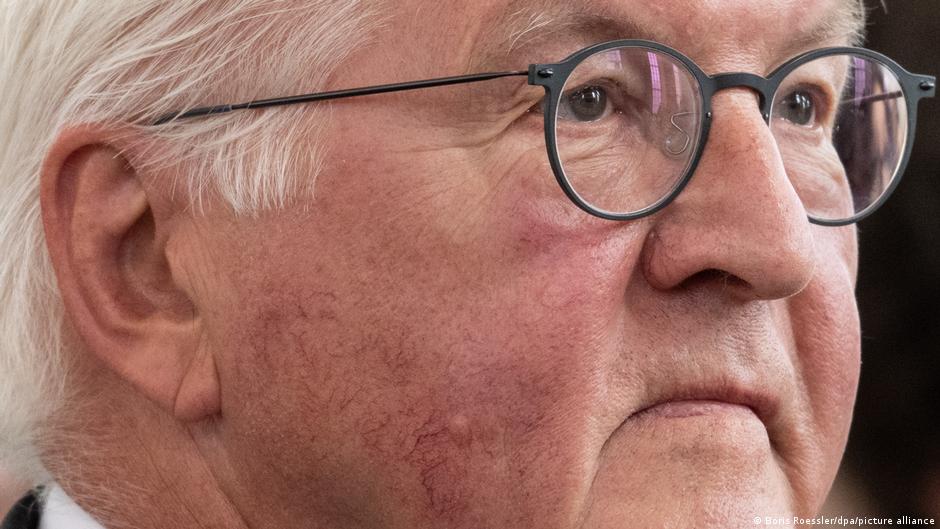
German President Steinmeier urges Europe to respond to the 'ruthless' policies of Russia and the US, emphasizing international law, pragmatic US relations, and social reforms amid rising far-right influence.

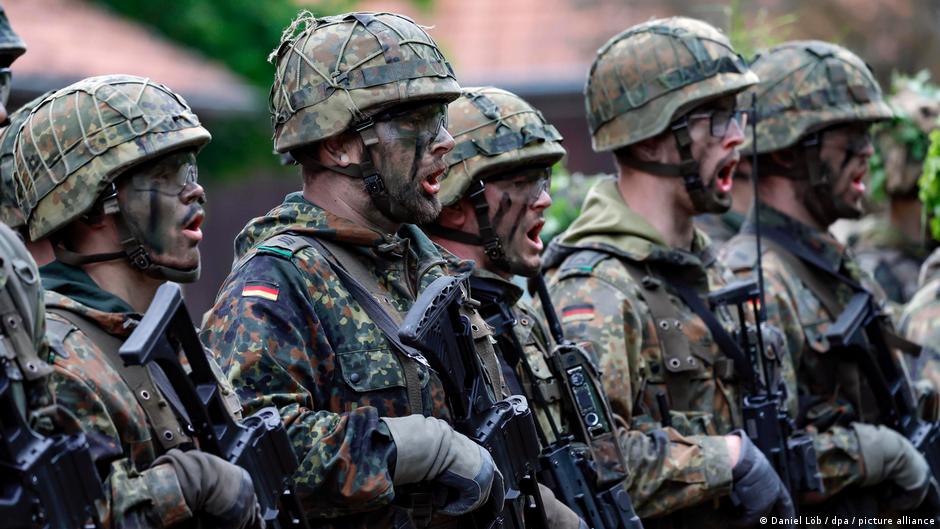
Germany will boost its defense budget to a record €124.7 billion in 2026, increasing its NATO commitments amid broader European military spending shifts.

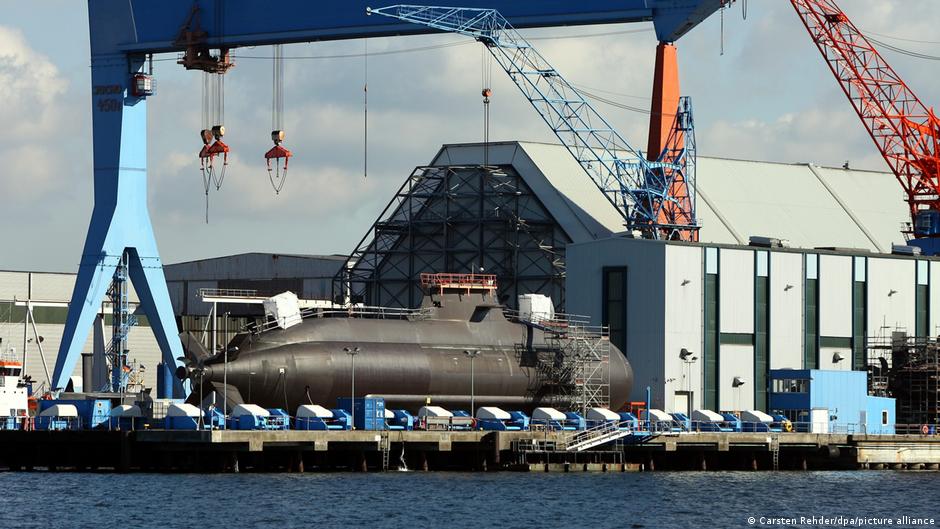
Germany welcomes Canada’s decision to purchase TKMS submarines, signaling enhanced NATO defense cooperation and a major industrial contract worth up to €100 billion.

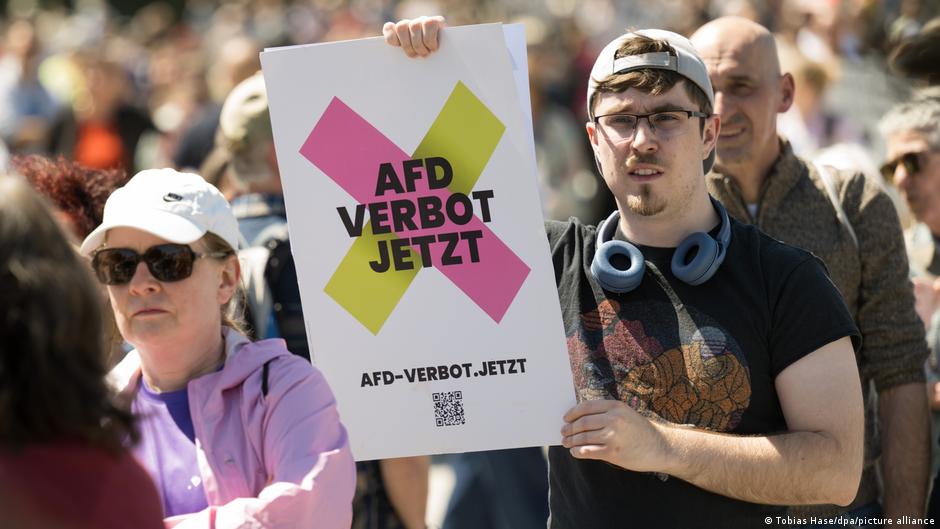
A new poll shows 45% of Germans oppose banning the far-right AfD, which leads the CDU/CSU by eight points as it claims political leadership.

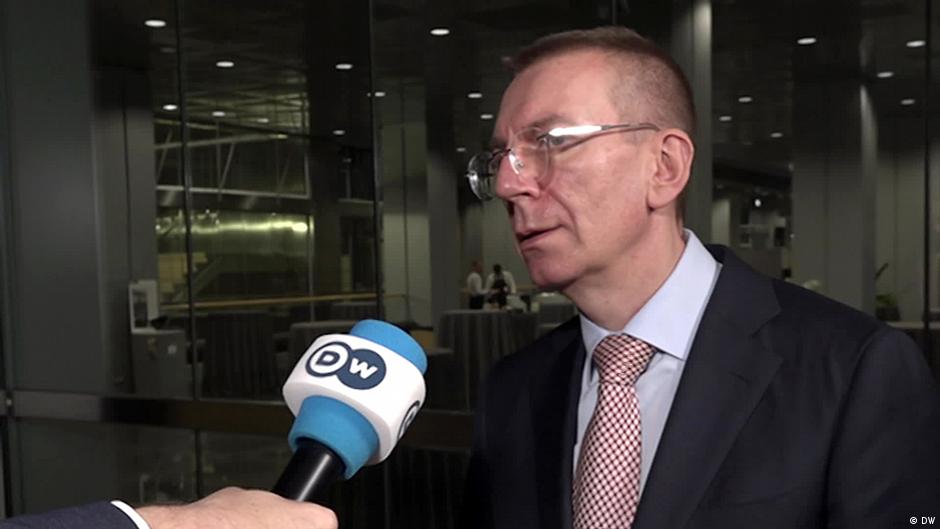
Latvian President Edgars Rinkēvičs calls on NATO to prepare for potential escalation with Russia, highlighting the need for enhanced military capabilities and stronger transatlantic defense cooperation.

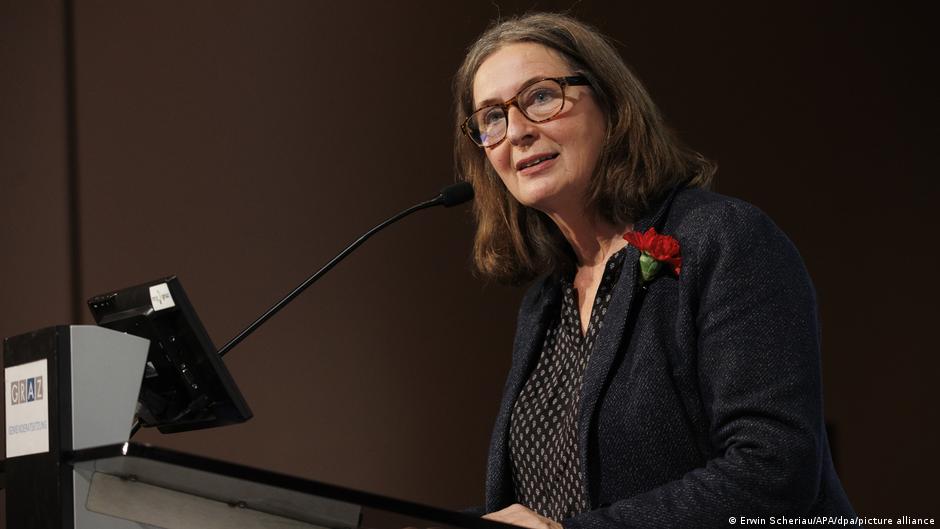
The Communist Party of Austria won a second consecutive victory in Graz’s municipal elections by focusing on pragmatic housing policies and moderate rhetoric, challenging traditional party dynamics.

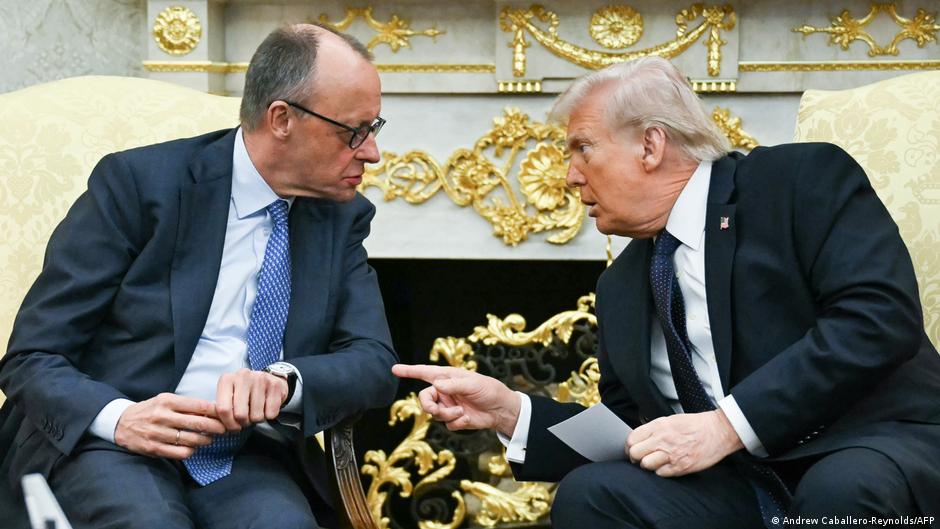
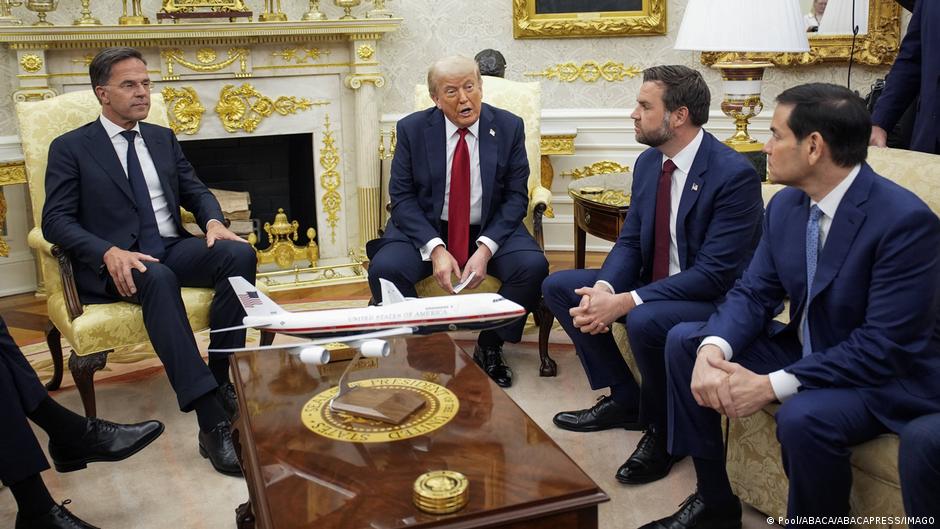
Former US President Trump praises Zelensky’s resilience in the Russia-Ukraine war while criticizing Europe's stance, highlighting strategic challenges for US foreign policy.

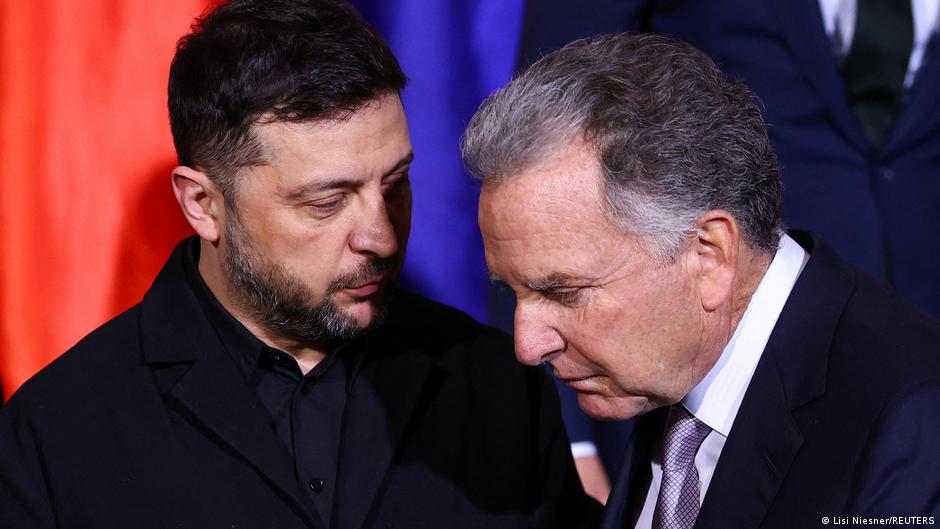
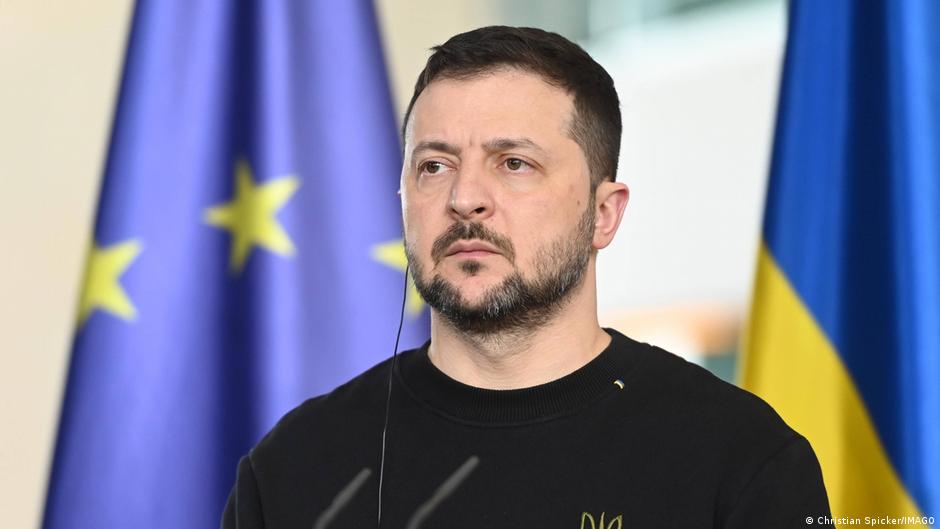
Ukrainian President Zelensky engaged Trump envoys Witkoff and Kushner in active diplomatic talks aiming to accelerate an end to the war with Russia.

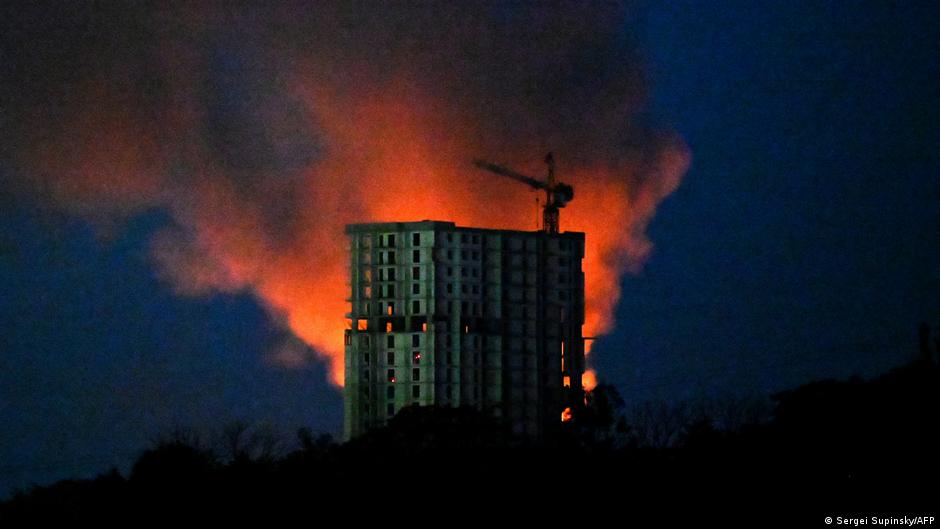
Russian drone attacks on Kyiv and eastern Ukraine intensify, targeting logistics and prompting high-level diplomatic efforts to end the conflict.

Sources close to Chancellor Friedrich Merz deny rumors of his early replacement amid internal CDU discussions and declining public approval ratings.

The EU postpones appointing a special envoy to negotiate with Russia, focusing on developing a clear strategy and leveraging sanctions first.

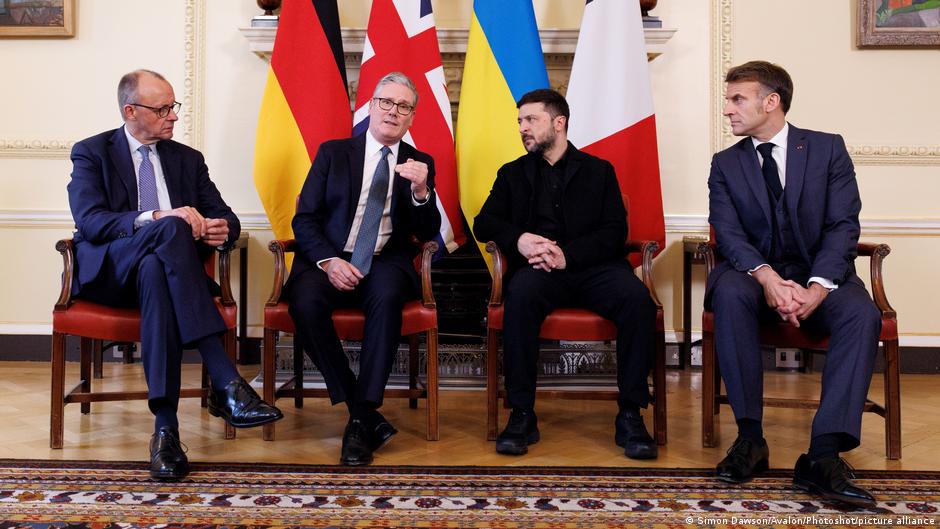
European leaders and Ukraine's president convened virtually to strategize renewed diplomatic efforts and enhance Europe's role in ending the war against Russian aggression.

President Trump announces deployment of an additional 5,000 U.S. troops to Poland, reaffirming U.S. commitment amid ongoing military realignments in Europe.

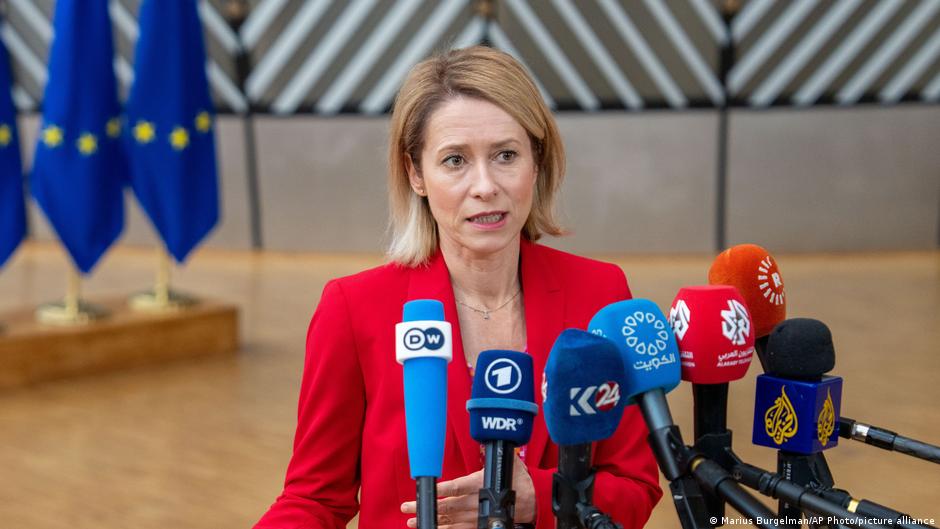
EU Foreign Affairs Chief Kaja Kallas warns that Russia, China, and the US pursue strategies to divide and weaken the European Union, urging member states to maintain unity.

President Zelensky met German officials to accelerate air defense support and drone cooperation as Ukraine faces intensified Russian missile strikes.

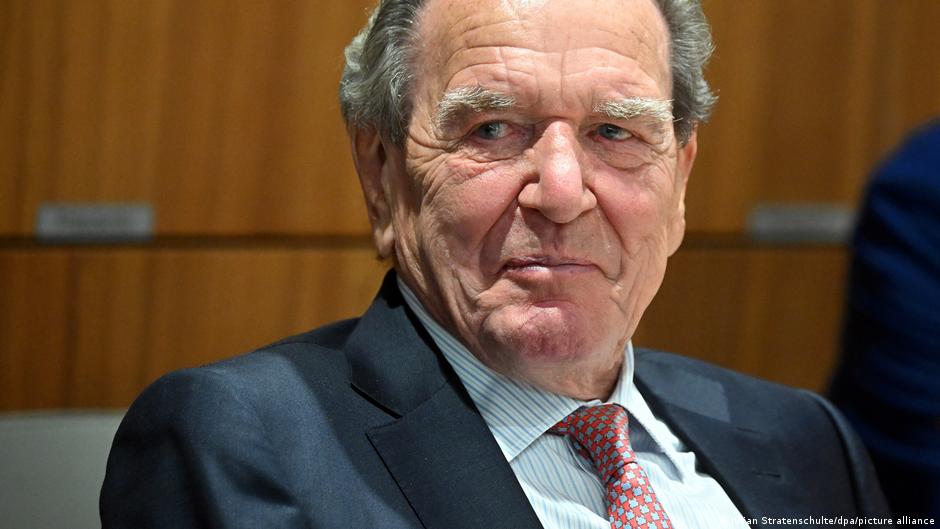
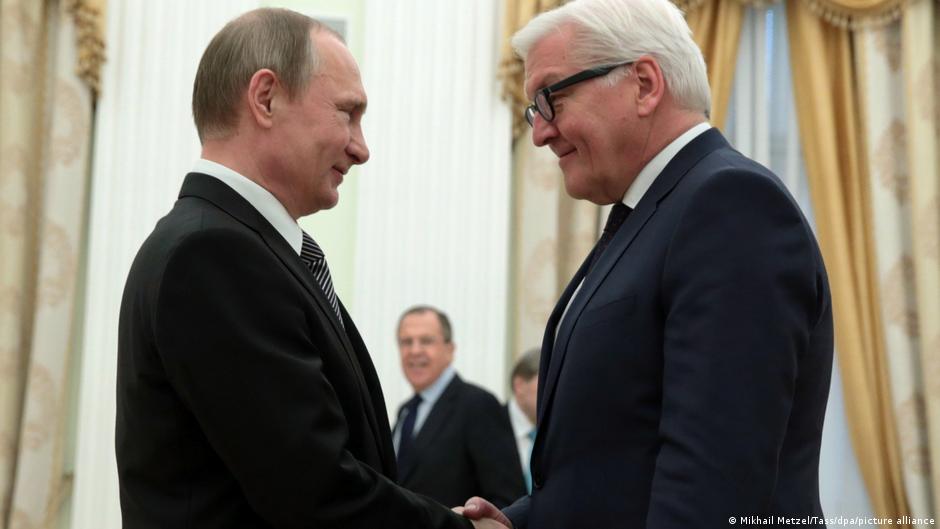
Germany considers President Steinmeier alongside Schröder to represent the EU in peace talks with Russia, amid doubts about relying solely on Schröder's mediation role.

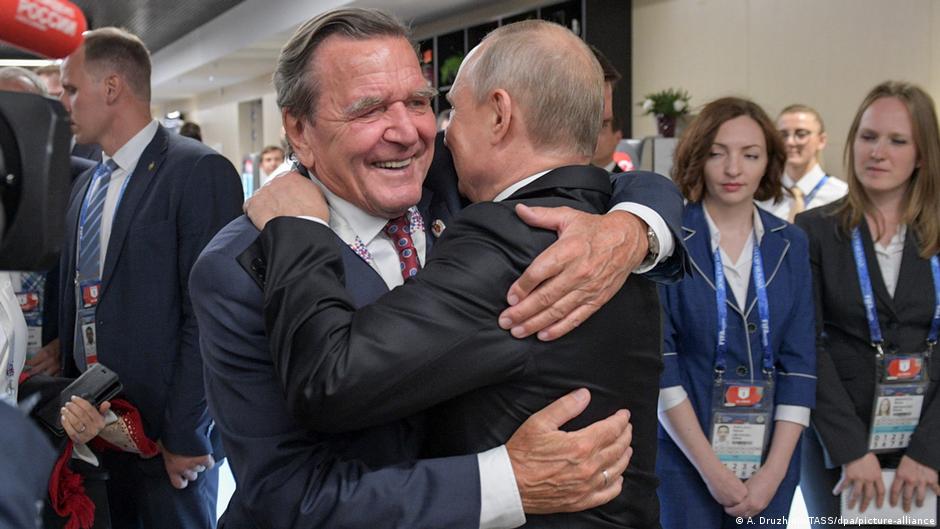
Putin names former German Chancellor Gerhard Schröder as his preferred EU negotiator for Ukraine peace talks, highlighting strategic business and political dimensions amid stalled diplomacy.

US President Trump indicates a possible redeployment of 5,000 troops from Germany to Poland amid US-Germany tensions and Poland's readiness to host forces.

Germany is fast-tracking its own long-range missile systems after the U.S. declined to deploy Tomahawk missiles, aiming to counter Russian Iskander threats and reinforce European deterrence.

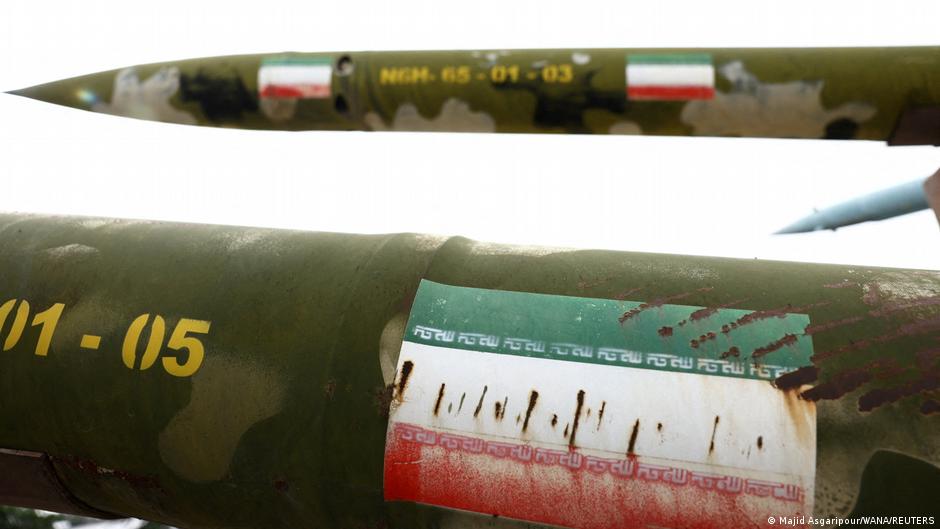
Iran launched a significant missile and drone attack on UAE targets, breaking a month-long ceasefire and prompting strong international condemnation and strategic reassessments.

President Trump announces a significant reduction of US troops in Germany, exceeding previous plans and signaling a strategic shift in US-European military relations.

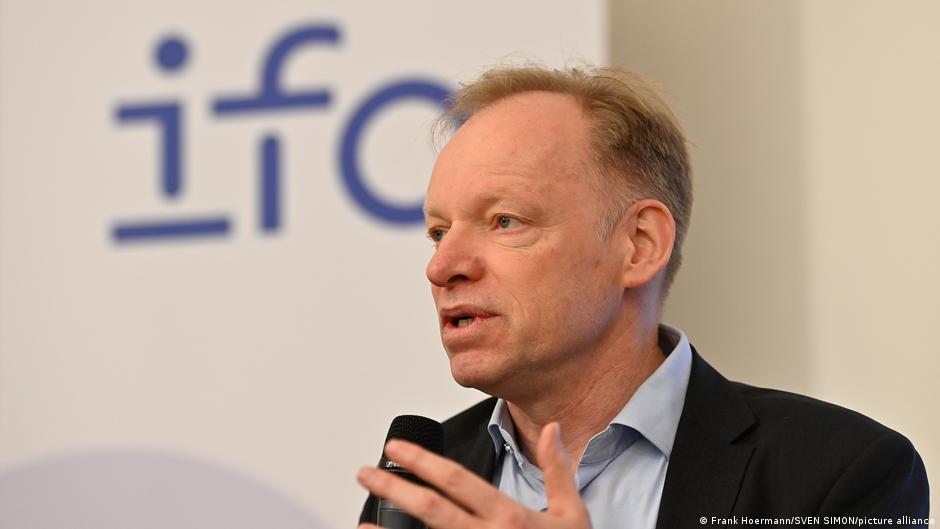
Germany risks recession in 2026 if the EU retaliates against U.S. auto tariffs, warns Munich's ifo Institute amid escalating trade tensions.

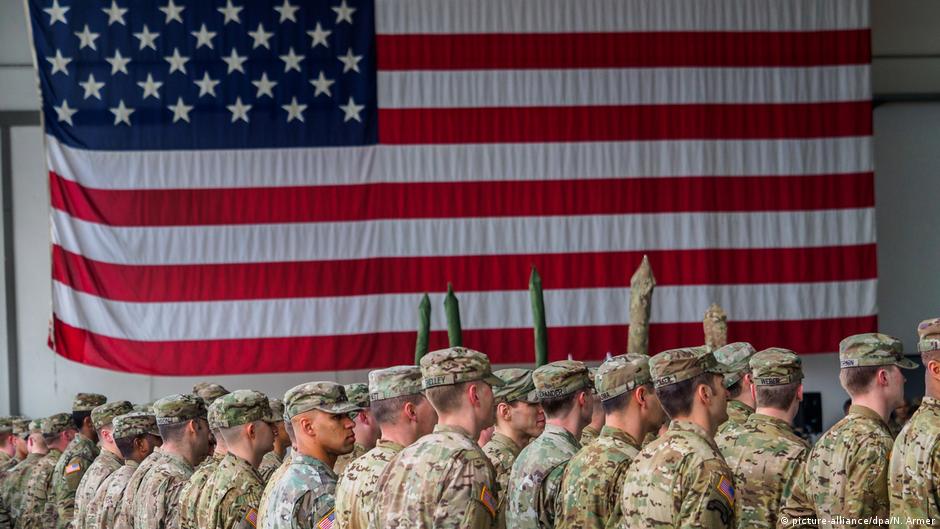
The Pentagon orders a reduction of 5,000 US troops from Germany within a year, reflecting strategic shifts in American military posture in Europe amid transatlantic tensions.

German authorities attribute phishing attacks via Signal messenger targeting politicians and journalists to Russian actors, prompting investigations and security alerts.

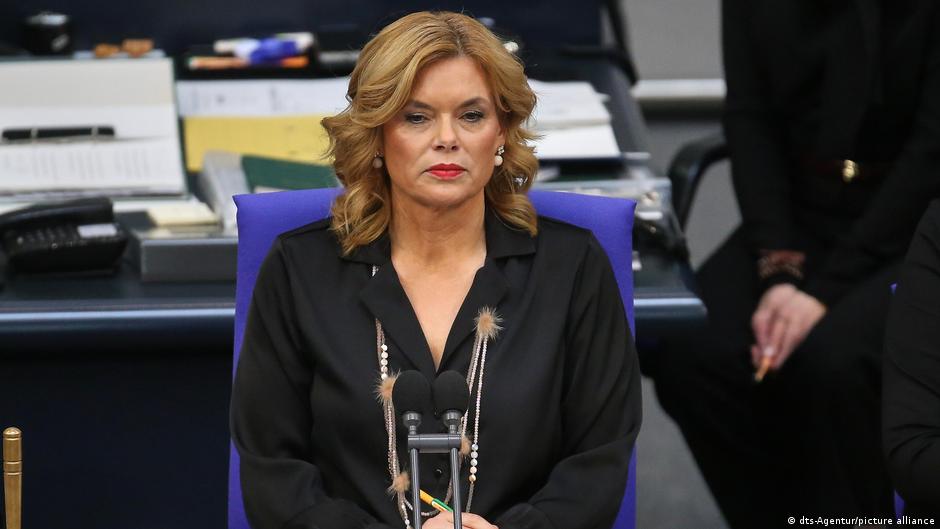
Julia Klöckner’s Signal account was hacked in a phishing attack, compromising CDU leadership communications and highlighting cyber vulnerabilities among Germany's political elite.

Donald Trump declined NATO's offer to assist in the Strait of Hormuz security mission, calling the alliance ineffective, while European leaders plan a multinational peacekeeping operation.

Germany authorized multimillion-euro arms exports to Israel amid war, balancing solidarity, political tensions, and complex export regulations affecting corporate strategy.