Trump Announces Deployment of Additional 5,000 U.S. Troops to Poland Amid Strategic Military Realignments
President Trump commits to expanding U.S. military presence in Poland following recent Pentagon adjustments in Europe.
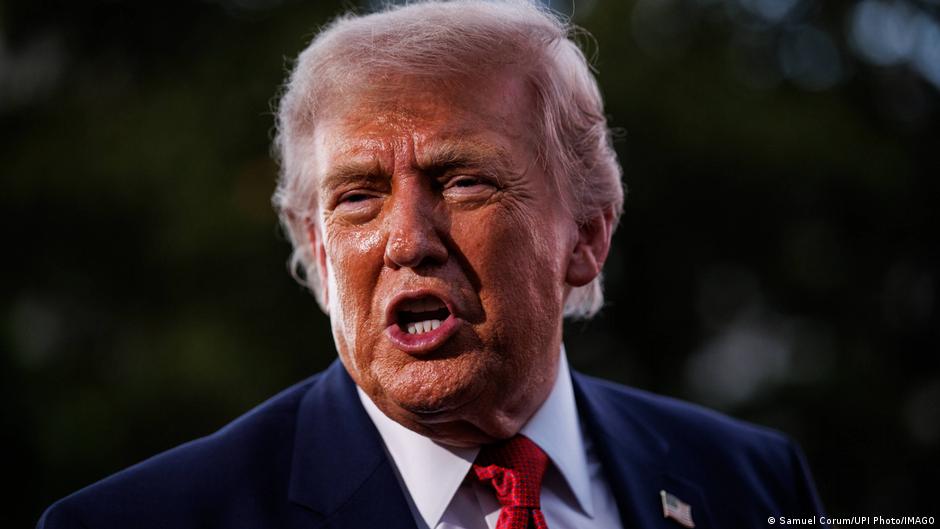
In a surprising development following the Pentagon’s previous suspension of a planned troop deployment, President Donald Trump has declared that the United States will send an additional 5,000 soldiers to Poland. This announcement underscores continued U.S. commitment to military support in Central Europe amid broader strategic realignments.
Military Deployment Amidst Geopolitical Shifts
On the night of May 22, President Trump utilized his social media platform to emphasize the importance of the U.S.-Poland relationship. Citing his strong support for Poland's newly elected president, Karol Nawrocki, Trump stated, "Given the successful election of Poland’s current president, Karol Nawrocki, whom I proudly supported, and our good relations, I am pleased to announce that the United States will send an additional 5,000 troops to Poland." However, details remain unclear as to whether this deployment refers to a new contingent or the previously planned 2nd Armored Brigade Combat Team of the 1st Cavalry Division, initially scheduled for deployment but canceled abruptly on May 13.
The earlier cancellation, reported by The Wall Street Journal and Defence News, was attributed to the Pentagon’s strategic plan to reduce the U.S. military footprint in Europe. This decision reportedly surprised many military officials and sparked significant dissatisfaction among Polish military leadership, who reportedly learned of the change through media reports rather than direct communication from their command.
"Polish military officials were left furious after learning about the deployment cancellation from the media instead of their own command structure," a military source noted.
Concurrently, Washington has announced the withdrawal of 5,000 troops from Germany, a move that came after German Chancellor Friedrich Merz criticized the U.S. and Israel for their actions related to the Iran conflict. This troop realignment reflects an ongoing reassessment of U.S. commitments across Europe.
Poland’s Response and Regional Military Posture
As of mid-May, Poland was reportedly bracing for a reduction in U.S. forces on its soil. A source close to Poland's Chief of General Staff, Wiesław Kukula, indicated that while the scale of reductions might be less severe than some media reports suggested, Warsaw had already been informed and was addressing the situation. Nonetheless, Polish Defense Minister Władysław Koziniak-Kamysz publicly denied any plans for troop reductions, affirming that Poland is actively pursuing an increase in the number of American soldiers stationed in the country.
According to U.S. military data, approximately 7,400 American troops were based in Poland by mid-May. Over recent years, the U.S. has maintained around 100,000 personnel in Europe, with roughly 65,000 permanently stationed and the remainder on rotational deployments.
On May 19, the Pentagon announced its plan to withdraw one of four combat brigade groups from Europe, a move that will reduce troop levels to those seen in 2021. Despite this, General Lieutenant Alexus Grynkewich, Commander of NATO’s Allied Air Command in Europe, reassured that the troop withdrawal would not undermine NATO’s efforts to enhance European defense capabilities. He highlighted a strategic shift towards boosting European military capacities, anticipating that U.S. forces might be redeployed to other global regions in the long term.
Adding a legislative dimension, the U.S. Congress earlier this year embedded provisions in the Department of Defense budget law preventing the reduction of American forces in Europe below 76,000 personnel for more than 45 days without formal justification. These provisions require detailed reports from both the Secretary of Defense and the head of U.S. European Command to Congress before any such changes can occur.
These developments reflect a complex balancing act between maintaining American military influence in Europe, supporting key allies like Poland, and responding to evolving global security priorities. Corporate and defense industry executives monitoring Pentagon contracts and strategic military planning will find these shifts critical to future business and policy decisions.