Austrian City Graz Reaffirms Communist Leadership in Local Elections Amid Housing Policy Focus
The Communist Party of Austria secures a second consecutive victory in Graz municipal elections, emphasizing pragmatic housing strategies over populism.
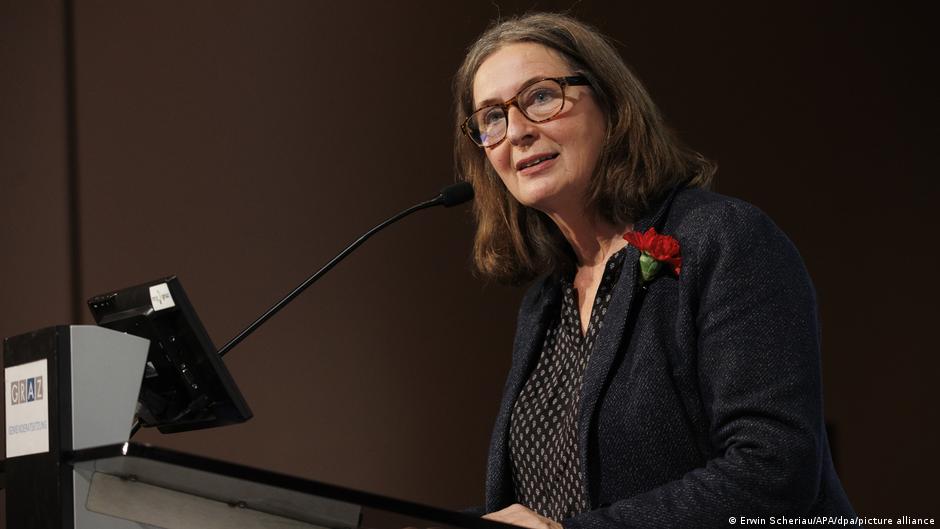
In a notable electoral development, the Communist Party of Austria (KPÖ) has maintained its leading position in the Graz city council elections held on June 28. Securing 35.63% of votes, the party is poised to claim 18 out of 48 seats, marking its second consecutive victory in Austria’s second-largest city after a surprising win in 2021.
Strategic Pragmatism Drives Communist Success in Graz
The KPÖ's success in Graz contrasts sharply with its limited national influence, where it has struggled to surpass the parliamentary threshold for over six decades. Analysts attribute this localized strength to the party's pragmatic approach, particularly regarding housing policy, which resonates strongly with urban voters.
"Graz votes differently" has once again proven true, as KPÖ’s moderate rhetoric and focus on housing have garnered sustained support without resorting to populist tactics.
Elke Kahr, the KPÖ member who became mayor in 2021 with backing from the Social Democrats and the Greens, has played a central role in shaping the party’s practical image. Known for her experience in housing and construction, Kahr’s leadership emphasizes tangible solutions over ideological confrontation, helping solidify public trust.
While the party’s literature retains traditional communist themes of social struggle and capitalism critique, Kahr adopts a cautious tone when addressing these issues in public discourse. This balanced messaging appears to have contributed to the party’s growing voter base, which increased from 28.84% in 2021 to 35.63% in the recent elections.
Notably, Kahr has publicly criticized European Union sanctions imposed on Russia following its invasion of Ukraine. Although condemning the aggression, she questioned the effectiveness of economic sanctions, arguing they disproportionately impact ordinary citizens—a stance that adds complexity to KPÖ’s positioning on international affairs.
Local Electoral Landscape and National Implications
The Austrian People’s Party (ÖVP), representing conservative interests, secured second place with 25.35% of votes, translating into 13 council seats. The Greens obtained 14.84%, gaining seven seats. The Freedom Party of Austria (FPÖ), positioned further right and known for populist rhetoric, ranked fourth with 12.2%, receiving six council seats.
While right-wing populists have achieved significant national success—finishing first in the 2024 parliamentary elections—this momentum did not translate into Graz, highlighting the city’s distinct political environment. Despite FPÖ's parliamentary gains, they failed to secure the chancellorship after prolonged coalition negotiations, which led to a tripartite alliance among Social Democrats, liberals, and conservatives, with Christian Stocker of the ÖVP appointed as chancellor.
Graz’s electoral outcome offers a unique case study in municipal governance where a communist party leverages pragmatic policy and coalition-building to maintain influence. For American business executives and strategists, this serves as an example of how localized political dynamics and policy moderation can disrupt traditional power structures and impact governance models.
Understanding Graz’s political landscape could inform U.S. businesses and policymakers about the importance of tailoring strategies to local contexts, particularly in sectors like housing and urban development where public sentiment can decisively shape outcomes.