EU Holds Back on Appointing Negotiator with Putin Amid Strategic Deliberations
The European Union refrains from naming a special envoy to negotiate Ukraine war’s end, prioritizing a clear strategy first.
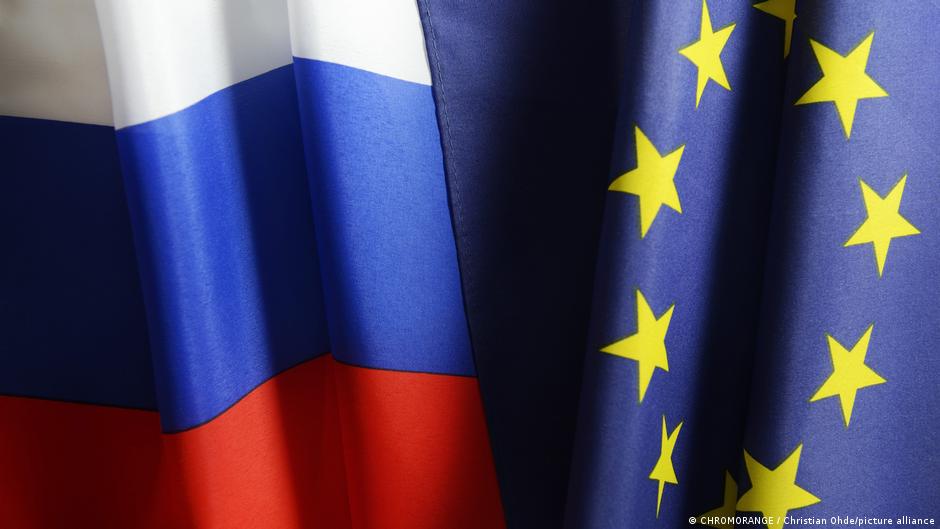
The European Union has decided not to appoint a special representative to negotiate with Russia on ending the war in Ukraine at this time. EU officials have indicated that the bloc wants to first develop a clear strategic framework and determine the substantive agenda before engaging in talks.
Strategic Caution Over Negotiation Representation
High-ranking EU officials conveyed that both the EU’s High Representative for Foreign Affairs and Security Policy, Josep Borrell, and influential member states such as Germany consider it premature to designate a negotiation envoy. One EU official explained, "We need to first agree on what exactly we want to discuss with Russia." This strategic caution reflects the complex geopolitical and diplomatic challenges involved in any potential dialogue with Moscow.
Brussels maintains that any negotiations with Russian President Vladimir Putin must be underpinned by sustained pressure, particularly through sanctions. The EU’s Commission and the European External Action Service (EEAS) are set to present a draft of the 21st sanctions package against Russia in confidential consultations. This package is expected to target Russia’s financial sector and suppliers linked to its defense industry, signaling continued economic leverage as a key tool.
Boardroom Implications and Candidate Considerations
Within EU circles, there has been active discussion about whether to appoint a special envoy for potential negotiations with Russia. Notable candidates suggested have included former European Central Bank President Mario Draghi, former German Chancellor Angela Merkel, and Finland’s ex-President Sauli Niinistö (referred to as Alexander Stubb in some reports).
Meanwhile, Russian President Vladimir Putin reportedly favors former German Chancellor Gerhard Schröder, known for his close ties to Moscow, as the EU's negotiator. However, both the current German government and EU representatives have ruled out Schröder due to concerns over conflicts of interest and credibility. German Chancellor Friedrich Merz underscored the EU’s autonomy in this decision, stating, "We Europeans decide ourselves who speaks on our behalf. Nobody else."
"We need to first agree on what exactly we want to discuss with Russia," said an EU official, highlighting the emphasis on strategic clarity before negotiations.
The EU’s reluctance to rush into appointing a negotiator reflects a broader corporate-style approach to diplomacy — emphasizing clear objectives, stakeholder alignment, and maintaining leverage before committing to high-stakes conversations. For executives and policymakers, this underscores the importance of internal consensus and strategic positioning before engaging in complex negotiations that can impact regional security and economic stability.