Trump Rejects NATO Support in Strait of Hormuz, Criticizes Alliance Effectiveness
Former US President Donald Trump declines NATO assistance in Strait of Hormuz, calling the alliance a 'paper tiger' amid regional tensions.
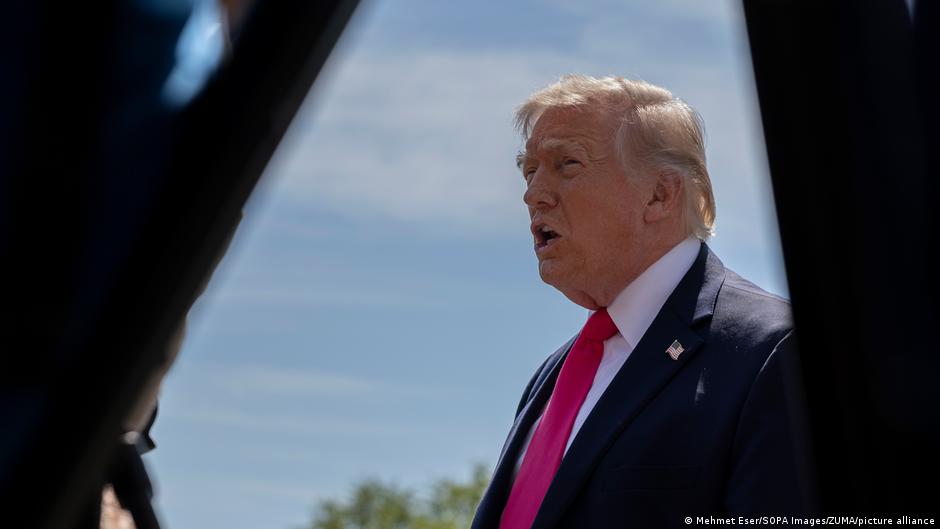
Former President of the United States Donald Trump has publicly declined an offer of assistance from NATO concerning security operations in the Strait of Hormuz, a critical maritime chokepoint for global oil shipments. In a statement posted on his social media platform Truth Social on April 17, Trump dismissed the alliance's potential involvement as unnecessary and labeled NATO a "paper tiger."
Trump's Stance on NATO Involvement
Trump stated that after the situation in the Strait of Hormuz had stabilized, NATO reached out to inquire whether US forces required support. He responded firmly: "I told them to stay out, unless they just want to load their ships with oil. They were useless when needed—paper tigers!" This blunt rejection underscores the former president's critical view of NATO's operational capacity and his preference for unilateral US decision-making in foreign interventions.
His comments come amid rising international efforts to ensure safe passage through the Strait, which has been a flashpoint due to geopolitical tensions involving Iran and regional conflicts.
European and German Leadership on Maritime Security
Contrasting Trump’s dismissal, French President Emmanuel Macron and UK Labour leader Keir Starmer announced during an international conference on maritime security in Paris on April 17 that France and the United Kingdom would spearhead a multinational mission to secure freedom of navigation in the Strait of Hormuz as conditions permit.
"This mission will be exclusively peaceful and defensive in nature, aimed at ensuring the safety of commercial shipping and supporting demining efforts," Starmer emphasized at a joint press briefing at the Elysee Palace. "More than a dozen countries have already offered assistance."
German Chancellor Friedrich Merz also declared Germany's readiness to participate, contingent upon the cessation of Middle East hostilities and a firm legal foundation such as a United Nations Security Council resolution. Merz highlighted that US involvement would be desirable to reinforce the mission's legitimacy and operational effectiveness.
Concurrent Regional Developments
While the conference convened in Paris, Trump and Iranian Foreign Minister Abbas Araghchi jointly announced the temporary opening of the Strait of Hormuz for commercial vessels during a ceasefire in Lebanon. Nevertheless, Trump reiterated a continuing US blockade of Iranian ports pending a formal agreement with Tehran.
Notably, the ceasefire between Israel and Lebanon, declared by Trump effective from midnight April 17 for ten days, was quickly undermined. On the morning of April 18, Lebanese forces accused Israel of violating the ceasefire, while Israeli authorities confirmed ongoing operations against Hezbollah factions.
Implications for US Foreign Policy and Transatlantic Relations
Trump's rejection of NATO support in the Strait of Hormuz raises questions about the US approach to coalition-building and burden-sharing in maintaining critical international waterways. His framing of NATO as ineffective contrasts with European leaders’ active commitment to multilateral security frameworks, highlighting divergent strategies within Western alliances.
For American business and executive leadership, these developments signal potential volatility in global energy supply chains and underscore the importance of closely monitoring geopolitical risk factors. The differing perspectives between the US and its European partners may also foreshadow challenges in coordinating unified responses to security threats affecting international commerce.
As the multinational mission evolves, corporate strategists and boardrooms must weigh the implications of regional stability efforts on operational logistics, investment decisions, and risk management in sectors tied to maritime trade and energy resources.