Airlines Cut Flights Amid Rising Jet Fuel Costs Triggered by Middle East Conflict
Global carriers reduce capacity by 3% in May as fuel shortages and geopolitical tensions impact profitability and operations.
Airlines worldwide are slashing flight schedules as escalating jet fuel prices, driven by ongoing conflict in the Middle East, strain operational costs and profitability. Analysts forecast a 3% reduction in global airline capacity for May 2024, reversing earlier expectations of a 4-6% growth for the year.
Fuel Shortages and Strategic Route Cuts
The root of the disruption lies in the conflict involving the United States, Israel, and Iran, which has led to the blockade of the strategic Strait of Hormuz—a critical passage for Iranian crude oil exports. This blockade has created a significant shortage of aviation kerosene, particularly in Europe, where reserves are reportedly sufficient for only about six weeks.
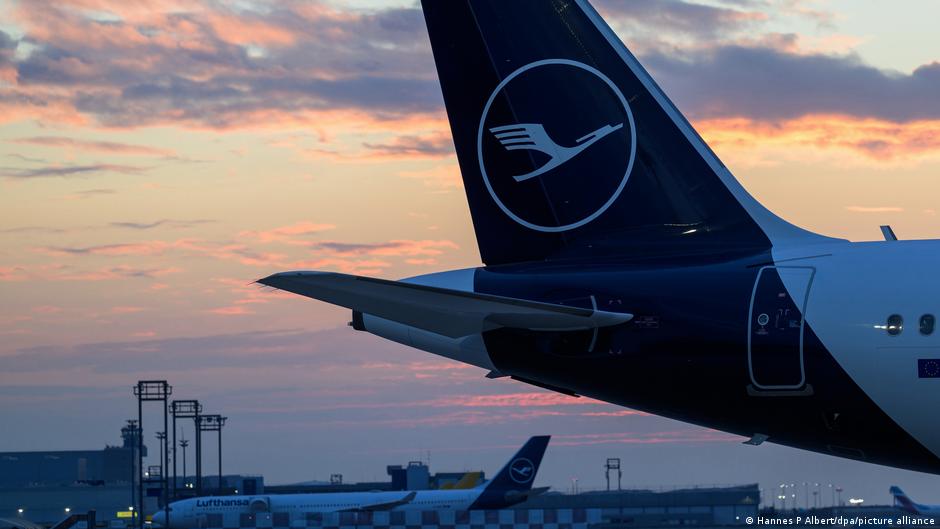
Major airlines are responding with strategic flight cancellations aimed at conserving fuel and maintaining operational efficiency. For example, Dutch carrier KLM announced it will cancel 80 round-trip flights from Amsterdam’s Schiphol Airport throughout May. This follows similar measures from American carrier United Airlines and Germany’s Lufthansa, both cutting routes on the basis of profitability amid soaring fuel costs.
“The fuel shortage will initially force temporary suspension of less busy short-haul routes and expedite retirement of older, fuel-inefficient aircraft,” said the German Aviation Federation (BDL).
The German Aviation Federation (BDL) has called for immediate, preferably EU-coordinated, intervention to mitigate the crisis. The federation warns that the fuel shortage and resulting flight reductions could significantly damage the German and broader European economies by constraining connectivity and increasing travel costs.
Long-Term Industry and Economic Implications
Even if hostilities in Iran conclude promptly, restoring the damaged oil infrastructure is expected to take months, if not years, prolonging the aviation fuel supply constraints. For airline executives and boards, these developments underscore the importance of agile capacity management, fuel hedging strategies, and investments in fuel-efficient fleets.
The crisis highlights the vulnerability of global aviation supply chains to geopolitical events and signals a potential shift in how airlines approach risk and operational resilience. With jet fuel accounting for a substantial portion of airline expenses, decisions made at the executive level in response to this shortage will have lasting implications on route networks, fleet composition, and financial performance.
Industry stakeholders must balance short-term cost pressures with long-term strategic planning to navigate an uncertain fuel supply landscape shaped by geopolitical risks and evolving market dynamics.