Lithuania and Latvia Deny Airspace to Slovak PM Fico En Route to Moscow for May 9 Event
Baltic states block Slovak Prime Minister Robert Fico's flight path to Moscow on May 9, reflecting ongoing geopolitical tensions within the EU.
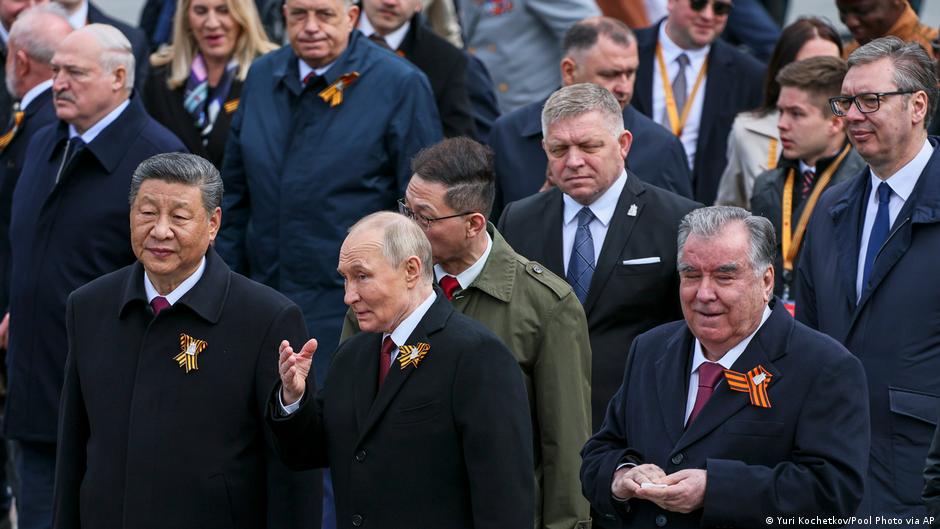
In a move underscoring persistent geopolitical tensions within the European Union, Lithuania and Latvia have once again denied overflight rights to Slovak Prime Minister Robert Fico as he plans to travel to Moscow for the May 9 Victory Day celebrations.
Prime Minister Fico announced in a video statement on April 18 that both Baltic countries informed Bratislava they would not permit his government aircraft to traverse their airspace on the way to Russia's capital. "Lithuania and Latvia have already told us they will not allow our flight over their territory en route to Moscow. So be it; EU member states are refusing another EU Prime Minister passage through their airspace," Fico said. He added that he would seek an alternative flight route as he did the previous year.
Airspace Denials Highlight EU Divisions Over Russia Engagement
The decision by Lithuania and Latvia follows a precedent set in previous years when similar restrictions were imposed on flights headed to Moscow for commemorative events marking the end of World War II in Europe. In 2023, Fico's aircraft, along with that of Serbian President Aleksandar Vučić, was denied entry into Baltic and Polish airspaces. Riga cited the "political sensitivity of the flight's purpose," while Vilnius referred to "technical and diplomatic sensitivity" as reasons for the denial.
"EU member states are refusing another EU Prime Minister passage through their airspace," said Slovak Prime Minister Robert Fico, highlighting intra-EU diplomatic friction.
The airspace restrictions are symptomatic of broader EU disagreements on engagement with Russia amid ongoing geopolitical conflict and sanctions regimes. Several EU candidate countries and member states have been cautioned against official visits to Moscow for May 9 events, which celebrate the Soviet Union's victory over Nazi Germany.
Earlier this month, Russian Presidential aide Yuri Ushakov noted that numerous foreign dignitaries had expressed intent to attend the May 9 celebrations in Moscow. In 2022, the event was attended by leaders from 27 countries, including China, Belarus, Cuba, Venezuela, Slovakia, and Serbia. However, such visits have frequently triggered diplomatic pushback within the EU.
Strategic Implications for EU-Russia Relations and Slovak Government
The recurrent airspace denials reflect the complex balancing act Slovakia faces as an EU member state whose leadership continues to engage directly with Moscow, despite broader EU norms restricting such interactions. For Prime Minister Fico, these restrictions not only complicate logistical arrangements but also underscore the diplomatic isolation he faces within EU circles, where his Russia-oriented stance is controversial.
From a business and governance perspective, such geopolitical frictions can have ripple effects on Slovakia's foreign investment climate and trade relations. The signaling effect of strained intra-EU relations may raise concerns among multinational corporations assessing the stability and diplomatic alignment of member states within the bloc.
Moreover, these developments provide insight into how executive decisions and foreign policy stances by government leaders directly influence cross-border operations such as aviation and diplomatic engagement, which in turn impact broader economic and strategic considerations.
As Fico seeks alternative routes to attend the Moscow event, the ongoing restrictions serve as a reminder of the persistent challenges in achieving cohesive EU foreign policy consensus regarding Russia, highlighting the interplay between political decisions at the highest levels and their operational consequences.