US Extends Suspension of Sanctions on Russian Oil Sales Until May 16 Amid Market Pressures
Washington prolongs license allowing sale of Russian oil already loaded on tankers, navigating complex geopolitical and market dynamics.
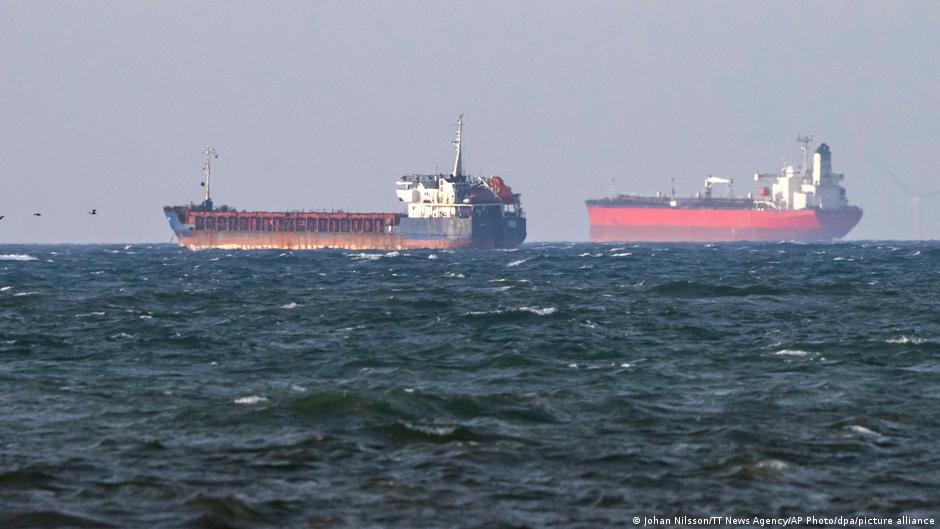
In a strategic move reflecting the nuanced balance between geopolitical pressure and global market stability, the United States has extended its suspension of sanctions on Russian oil and petroleum products until May 16. This decision permits the continued sale of Russian oil that has already been loaded onto tankers, a measure initially introduced amid rising energy prices triggered by the conflict in the Middle East.
Executive Decision Against Earlier Indications
The latest extension contrasts with earlier statements by Treasury Secretary Scott Bessent, who had indicated that Washington would not renew such exemptions. Initially, these concessions were introduced on March 13 for a 30-day period to address the supply shocks and price volatility stemming from geopolitical instability. Secretary Bessent described the initial waiver as a "narrowly targeted and short-term" measure, aimed at mitigating immediate market disruptions without substantially increasing Russian oil revenues.
However, the ongoing extension reflects the complexity of corporate and government strategy in managing energy supplies while maintaining sanctions pressure. For businesses engaged in international oil trading, the extension provides continued legal clarity and operational certainty, particularly for companies with cargoes already in transit.
"The extension underscores the delicate balancing act between enforcing sanctions and ensuring global energy market stability," said an industry analyst.
Impact on Russian Revenues and Global Oil Markets
Despite the original intention to limit Russian oil revenues, reports from The New York Times indicate that the easing of sanctions has enabled Russia to garner over $100 million in additional daily oil income. Data from the International Energy Agency (IEA) further underscores this trend, revealing that Russian oil revenues nearly doubled in March compared to February, reaching $19 billion amid heightened Middle East conflict tensions.
From a corporate strategy perspective, the extension highlights the challenges faced by international companies and policymakers in navigating sanctions regimes that intersect with volatile market conditions. While the U.S. administration under former President Donald Trump had aimed to stabilize oil prices through such measures, the real-world impact on prices appears limited. The rise in oil prices continues, partly due to the substantial volume of Russian oil transported via so-called "shadow fleets," circumventing international restrictions.
For American and global energy firms, these developments emphasize the evolving regulatory and compliance landscape. Companies must weigh the benefits of accessing Russian oil supplies against reputational and legal risks, as well as the potential for shifts in U.S. policy.
Boardroom and Strategic Implications
From the boardroom perspective, energy companies and their executives are confronted with a volatile environment where geopolitical decisions directly impact operational strategies and revenue forecasts. The U.S. decision to extend the sanction waiver illustrates the intricate interplay between government policy and market realities, compelling executives to remain agile in their risk management and international trade approaches.
Moreover, the extension invites reflection on long-term corporate strategy concerning energy sourcing and compliance frameworks. Companies may need to reassess supply chain resilience and legal oversight mechanisms to navigate the uncertain sanctions landscape effectively.