Drone Attacks Spark Fires at Russian Oil Depots in Krasnodar Region and Sevastopol
Ukrainian drone strikes ignite fuel storage facilities, triggering emergency response with no reported casualties
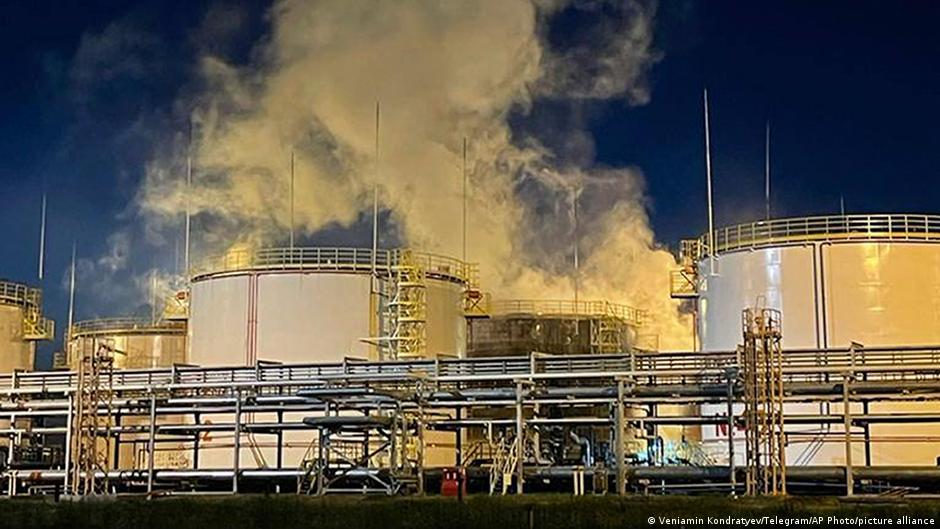
In a coordinated series of drone strikes during the early hours of April 18, Ukrainian unmanned aerial vehicles targeted oil storage depots in Russia's Krasnodar region and the annexed city of Sevastopol. These attacks resulted in fires breaking out at key fuel storage facilities, raising concerns about energy infrastructure vulnerabilities amid ongoing regional tensions.
Strategic Impact on Energy Infrastructure
In Tikhoretsk, a city within Krasnodar Krai, a drone strike caused a significant fire at an oil depot. Regional emergency authorities confirmed that despite the severity of the incident, there were no fatalities or injuries. The firefighting effort mobilized 224 personnel along with 56 firefighting vehicles, reflecting the scale of the response necessary to contain the blaze.
Meanwhile, in Sevastopol’s Kazachya Bukhta district, another oil storage site was affected by a fire triggered by a downed drone, according to statements from local administration head Mikhail Razvozhayev. He noted that the fire involved a fuel residue tank and described the affected area as limited in size. No casualties were reported in this incident either.
“The fire broke out due to a downed unmanned aerial vehicle. The affected area was small, and no injuries have been reported,” said Mikhail Razvozhayev.
Razvozhayev also indicated that during the night, air defense systems intercepted and destroyed 22 Ukrainian drones over Sevastopol, underscoring the scale of the aerial assault.
Broader Operational and Logistical Disruptions
Beyond the immediate fires, the drone attacks triggered air raid alerts not only in the Krasnodar region but also in the Leningrad region. Russian aviation authorities imposed temporary restrictions on the arrival and departure of aircraft at Pskov airport. Additionally, a heightened alert status known as "Plan Kover" was activated at airports in Saratov, Penza, Samara, and Ulyanovsk, reflecting widespread concern over potential UAV threats to critical transportation hubs.
These incidents serve as a reminder of the escalating use of unmanned aerial vehicles as tactical instruments in the ongoing conflict, emphasizing the challenges faced by regional energy and transportation operators in safeguarding their infrastructure.
For corporate executives and board members in the energy and logistics sectors, these developments underline the urgent need to reassess risk mitigation strategies and invest in advanced defense and detection technologies to protect critical assets against emerging aerial threats.