Zelensky Engages Trump Envoys in Diplomatic Push to End Ukraine War
Ukrainian President thanks Trump representatives for active diplomatic efforts amid ongoing conflict.
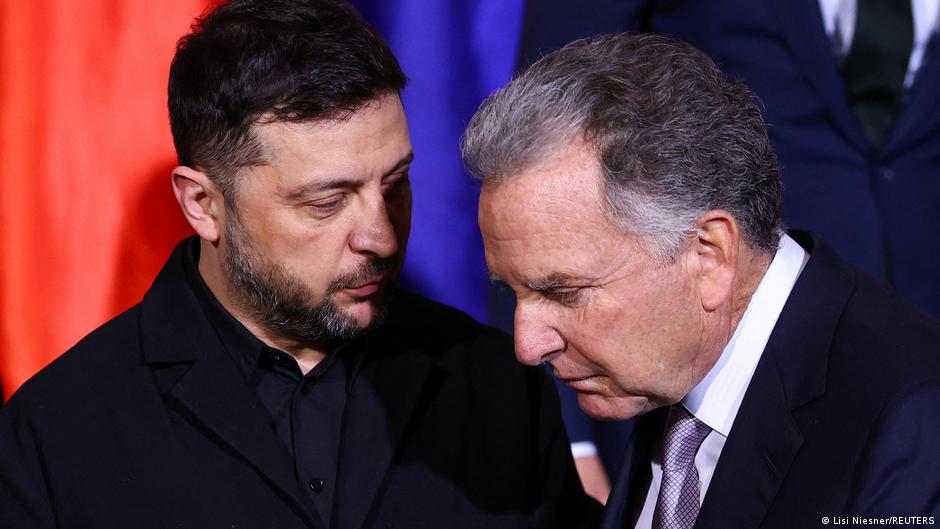
Ukrainian President Volodymyr Zelensky held a "very positive" discussion with special envoys of former U.S. President Donald Trump, Steve Witkoff and Jared Kushner, expressing gratitude for their willingness to contribute actively in the coming weeks toward ending the war in Ukraine.
In a social media post on June 8, Zelensky highlighted the envoys' readiness to "work as actively as possible in these weeks to spur diplomacy for the conclusion of Russia's war against Ukraine." He also briefed them on Kyiv's intelligence regarding Moscow's intentions, emphasizing the importance of mutual respect and strong U.S. support.
Strategic Diplomatic Engagements Amid Continued Conflict
The phone conversation took place during Zelensky's stopover at Chisinau Airport as he returned from high-level talks in London with German Chancellor Friedrich Merz, UK Prime Minister Keir Starmer, and French President Emmanuel Macron. These leaders jointly outlined five key conditions for lasting peace in Ukraine, discussed intensifying economic pressure on Russia, increasing military aid to Ukraine, and cooperating on missile production to enhance air defense and long-range strike capabilities.
"Very positive conversation. Grateful for the readiness to work very actively in these weeks to give a push to diplomacy for ending Russia's war against Ukraine," Zelensky stated.
The engagement with Trump’s envoys represents a notable inclusion of former administration representatives in current diplomatic efforts, reflecting an unusual convergence of political actors amid the ongoing military conflict.
Earlier in June, Zelensky released an open letter to Russian President Vladimir Putin proposing a clear date for a personal meeting to end hostilities and inviting European and U.S. partners to join a bilateral negotiation track. Putin rejected the overture, criticizing the letter as containing "elements of rudeness" and asserting that the military campaign would conclude only upon achieving Russia’s objectives. He also urged Russian forces to continue their operations.
For U.S. corporate and strategic stakeholders, these developments highlight the complex geopolitical landscape shaping global markets, defense contracts, and energy supplies. The active involvement of political figures with diverse affiliations underscores the high stakes and broad coalition seeking resolution to the conflict, which continues to impact international economic and security frameworks.