Germany Welcomes Canada’s Strategic Decision to Procure TKMS Submarines
Berlin hails Canada’s selection of German TKMS submarines as a key move for NATO defense collaboration and transatlantic security.
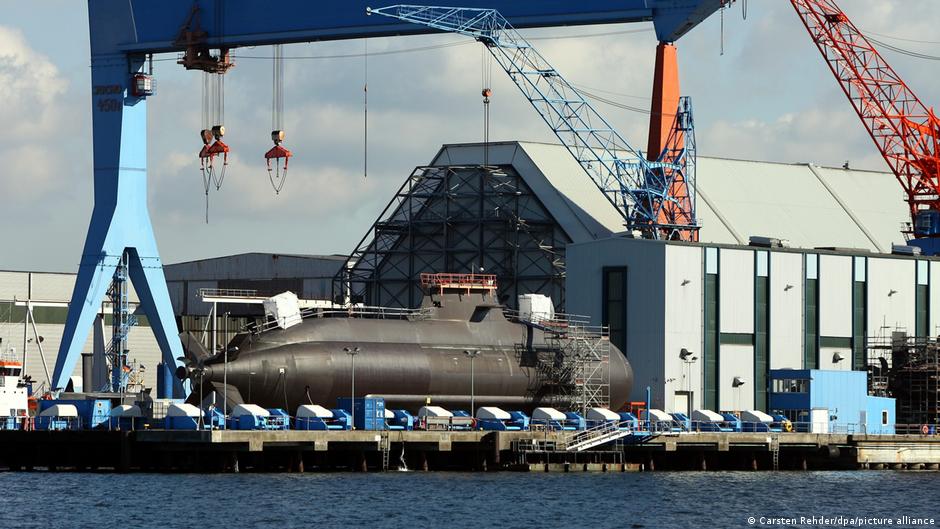
Germany’s Chancellor Friedrich Merz and top defense and foreign ministers have warmly welcomed Canada’s recent decision to purchase non-nuclear submarines from German manufacturer ThyssenKrupp Marine Systems (TKMS). Announced on July 6, the deal marks a significant transatlantic defense collaboration ahead of the NATO summit.
Strategic Implications for NATO and Industry
Chancellor Merz described Canada’s choice as a “powerful signal,” emphasizing that the acquisition reinforces European and transatlantic cooperation in defense matters. Canadian Prime Minister Mark Carney officially confirmed plans to acquire up to 12 Type 212CD submarines, a cutting-edge class developed jointly by Germany and Norway.
German Defense Minister Boris Pistorius highlighted that the submarine fleet, spanning Canada, Germany, and Norway, will be central to NATO’s security strategy in the High North. He noted the significance of a modern, shared submarine capability to improve intelligence gathering and operational readiness across the North Atlantic, Arctic, and polar regions.
“Together, we will build the world’s largest and most advanced non-nuclear submarine fleet, enhancing information exchange and alliance burden-sharing,” Pistorius remarked.
Meanwhile, German Foreign Minister Johann Wadephul expressed satisfaction that Germany and Norway successfully convinced Canada to select their proposal. He praised TKMS submarines as the “best non-nuclear submarines worldwide,” underscoring the deal’s implications for defense and industrial policy cooperation among the three nations.
TKMS’s victory in the lucrative contract came amid intense competition with South Korea’s Hanwha Ocean shipyards. Factoring in long-term maintenance and operational costs, the deal could total up to €100 billion, reflecting one of the largest defense industrial undertakings in recent years.
This contract solidifies TKMS’s position as a global leader in submarine manufacturing and sets a precedent for future multinational defense projects. For Canada, the acquisition enhances maritime capabilities critical to Arctic sovereignty and NATO commitments, while Germany strengthens its industrial footprint and strategic influence within the alliance.