German President Steinmeier Calls for European Response to Ruthless US and Russia Strategies
Steinmeier urges Europe to uphold international law amid geopolitical shifts and emphasizes pragmatic ties with the US alongside social reforms in Germany.
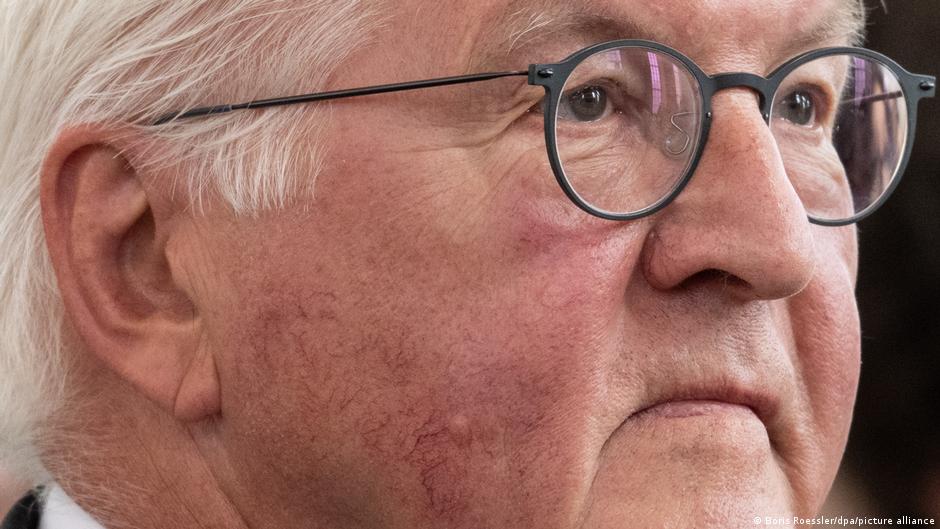
In a recent summer interview with German broadcaster ZDF, President Frank-Walter Steinmeier addressed the growing geopolitical tensions shaped by Russia and the United States, urging Europe to counter what he described as a "new spirit of ruthlessness." This stance emerges amidst ongoing conflicts and shifting global power dynamics that challenge the continent's foundational values.
European Model vs. New Ruthlessness
"We cannot emulate the behavior of great powers that disregard law and order; Europe needs an international framework based on rules and rights," Steinmeier emphasized.
Steinmeier highlighted a "double epochal rupture" caused first by Russia's invasion of Ukraine and subsequently by a perceived alteration in US values. He insists that unlike Moscow and Washington, which may operate in a rule-free environment to their short-term advantage, European nations must champion a global order grounded in law and norms.
This call reflects strategic considerations for European policymakers who face complex decisions balancing diplomacy, security, and economic interests in an increasingly polarized world. Steinmeier’s insistence on maintaining the "European model" underscores the continent’s reliance on multilateralism and legal frameworks, contrasting with unilateral or power-driven tactics.
Pragmatism in Transatlantic Relations and Domestic Reform
Without directly naming former US President Donald Trump, Steinmeier advocated for a pragmatic approach towards relations with the United States. This signals an acknowledgment of the fluctuating nature of transatlantic ties and the need for European governments to navigate these dynamics carefully.
On the domestic front, Steinmeier expressed cautious optimism regarding the recently introduced comprehensive social reforms championed by Chancellor Friedrich Merz’s ruling coalition. Describing them as "something important," the president emphasized that their success hinges on whether these reforms can spur economic growth. He warned that without tangible progress, the current government risks losing public confidence and respect.
Steinmeier called for "patience and persistence" during the reform implementation phase, highlighting the high stakes involved in stabilizing Germany’s economy and social fabric amid global uncertainties.
Political Landscape and Rising Populism
Turning to electoral politics, Steinmeier addressed concerns about the far-right party Alternative for Germany (AfD) leading polls ahead of the Sept. 2024 state elections in Saxony-Anhalt. While cautioning that polls do not equate to final results, he urged centrist parties to unite against extremist advances to preserve democratic institutions.
He noted that voters in Saxony-Anhalt represent only a small fraction of Germany’s electorate but stressed the significance of the trend, especially with upcoming elections in Berlin and Mecklenburg-Western Pomerania. According to Steinmeier, these three regional elections represent critical moments for Germany's democratic future.
"You are deciding whether we maintain our democratic system," the president reminded voters, highlighting the broader implications beyond local contests.
Implications for Corporate and Policy Leaders
Steinmeier’s remarks underscore the urgency for European business and political leaders to adapt corporate strategies and diplomatic policies to a rapidly evolving geopolitical environment. The call for upholding international law and maintaining order suggests potential regulatory and compliance challenges, particularly for multinationals operating across US, Russian, and European spheres.
Moreover, the emphasis on social reforms linked to economic growth signals a government focus on sustainable economic policies that may affect labor markets, taxation, and investment climates. Executives in Germany and Europe should monitor these developments closely, aligning corporate governance with emerging national priorities.