EU's Top Diplomat Warns Russia, China, and US Seek to Undermine European Unity
EU Foreign Affairs Chief urges member states to resist divide-and-conquer strategies by global powers aiming to weaken the Union.
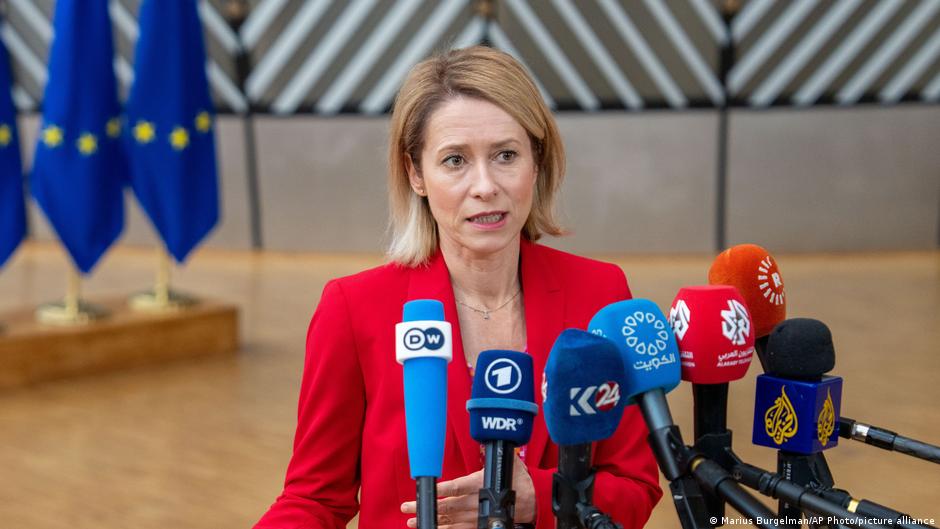
European Union High Representative for Foreign Affairs and Security Policy, Kaja Kallas, has issued a stark warning that Russia, China, and the United States are actively pursuing strategies to fragment the European Union. Speaking at the Lennart Meri Conference in Tallinn, Kallas emphasized the geopolitical risks that disunity within the EU poses and called for collective resilience among member states.
Divide and Rule Tactics Threaten EU Cohesion
“If we stand together and act collectively, we are strong,” Kallas declared, highlighting the central premise underpinning the EU’s strength—unity. She pointed out that the major global players—Russia, China, and the US—are employing a “divide and rule” approach aimed at weakening the Union’s influence.
“Why do these powers wish to dismantle the European Union? Because together, we are much stronger,” Kallas stated plainly, underscoring that their opposition to the EU stems from the Union’s ability to wield significant collective power.
According to Kallas, these external actors find it easier to negotiate with individual European countries, which are smaller and less influential on their own, rather than with a unified bloc presenting a consolidated front.
This strategy has tangible implications for EU governance and diplomatic relations. Kallas expressed concern over the growing number of bilateral agreements between individual member states and Washington, which could undermine the cohesion of EU foreign policy and weaken the Union’s bargaining position globally.
“I am very concerned because sometimes I see some countries following this path. Division really works,” she warned, directly addressing the potential risks of fragmented engagement with major powers.
Implications for Corporate and Political Strategy
Kallas’s statements carry significant weight for business leaders and executives operating within or alongside the European market. The potential weakening of EU cohesion could affect regulatory harmonization, trade relations, and geopolitical stability—all critical factors shaping corporate strategic planning.
For multinational corporations, understanding the evolving political landscape is essential for anticipating shifts in market access, supply chain security, and regulatory compliance. Executive decisions related to investment, partnerships, and risk management will increasingly need to account for the possibility of divergent national policies that could emerge if EU unity is compromised.
Moreover, Kallas’s rejection of Russia’s proposal to appoint former German Chancellor Gerhard Schröder as an EU negotiator in peace talks highlights the EU’s cautious stance on maintaining autonomous diplomatic agency. This insistence on represented unity also signals to corporate stakeholders that the EU intends to preserve a coordinated external policy, which may affect international negotiations on trade, energy, and security issues.
Business leaders should monitor how these geopolitical dynamics influence EU policy directions, as well as internal debates regarding bilateral versus multilateral engagements with world powers.
In summary, Kallas’s address serves as a call not only for political solidarity but also for business vigilance. The challenges posed by global powers seeking to exploit divisions within the EU could reshape the strategic environment for European enterprises and their global partners.