US Military Casualties in Iran Conflict Rise to 17 Amid Escalating Regional Tensions
The latest US service member killed during a controlled explosives operation in Iraq raises the official death toll to 17 amid intensified military actions.
The United States has confirmed the death of its 17th service member in the ongoing conflict with Iran, following an incident on July 18 involving the controlled detonation of unexploded Iranian munitions in northern Iraq. The announcement was made by the US Central Command (CENTCOM) on July 19.
The deceased soldier was killed while handling the disposal of explosive remnants from a downed Iranian drone. Another service member was lightly wounded in the same operation and continues to receive medical treatment.
Escalation and Operational Risks in the Region
This latest casualty follows a series of deadly encounters, including a July 17 Iranian rocket attack on a US airbase in Jordan, which resulted in the deaths of two American service members and left one soldier missing. CENTCOM reported that after thorough searches at the incident site, unidentified remains were recovered, which are believed to be those of the missing service member.
The ongoing military engagements have seen the US launch retaliatory strikes against targets linked to Iran's Islamic Revolutionary Guard Corps (IRGC). These strikes aim to both punish the IRGC for attacks on US personnel and to degrade Tehran's ability to threaten commercial shipping in the strategically critical Strait of Hormuz.
"Our primary objective remains to prevent Iran from obtaining nuclear weapons," President Donald Trump emphasized during a July 18 interview, acknowledging the tragic loss while underscoring the strategic resolve of US leadership.
In response to US military actions, Iran targeted two US military bases in Kuwait, further intensifying the conflict dynamics in the Middle East.
Strategic Military Reinforcements and Corporate Implications
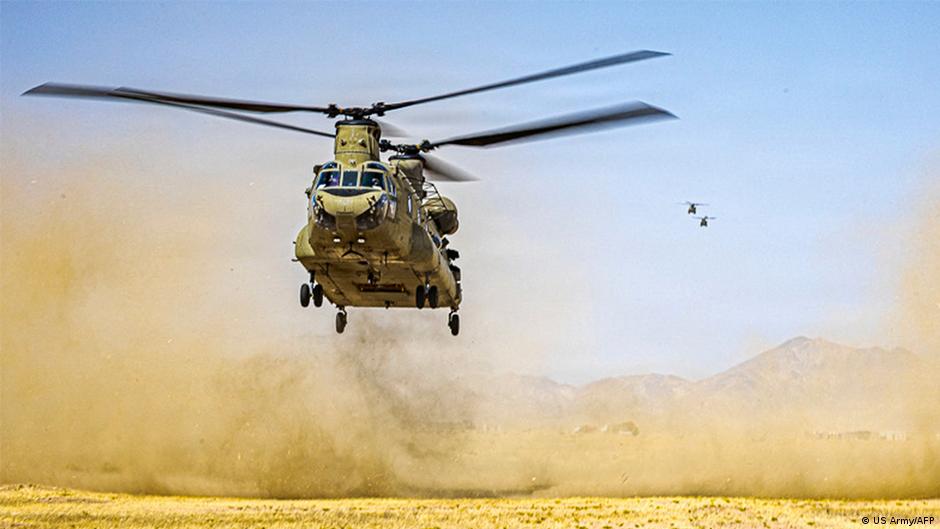
Amid rising hostilities, US defense forces are reportedly deploying additional air assets to the Middle East. According to reports from The Wall Street Journal and The New York Times, these reinforcements include F-16 fighter jets from Spangdahlem Air Base in Germany and F-35 fighters from RAF Lakenheath in the United Kingdom, alongside aerial refueling tankers.
These strategic deployments signal a significant escalation and commitment of resources, reflecting the Pentagon’s intent to maintain air superiority and rapid response capability in the region. For defense contractors and aerospace manufacturers, increased demand for advanced fighter jets and support equipment may impact production schedules and corporate strategies, highlighting the intersection between geopolitical developments and business operations in the defense sector.
Furthermore, the prolonged conflict and rising US casualties could influence executive decisions regarding defense spending and procurement priorities. Corporate boards of defense companies may reassess risk exposure and investment in technologies related to unmanned aerial systems, countermeasures, and explosive ordnance disposal solutions.
As tensions persist, the evolving situation demands close monitoring by business leaders and policymakers alike, considering the potential for prolonged military engagement and its wider economic and strategic ramifications.