US Imposes 50% Tariffs on Canadian Goods Amid Trade Dispute Impacting Key Sectors
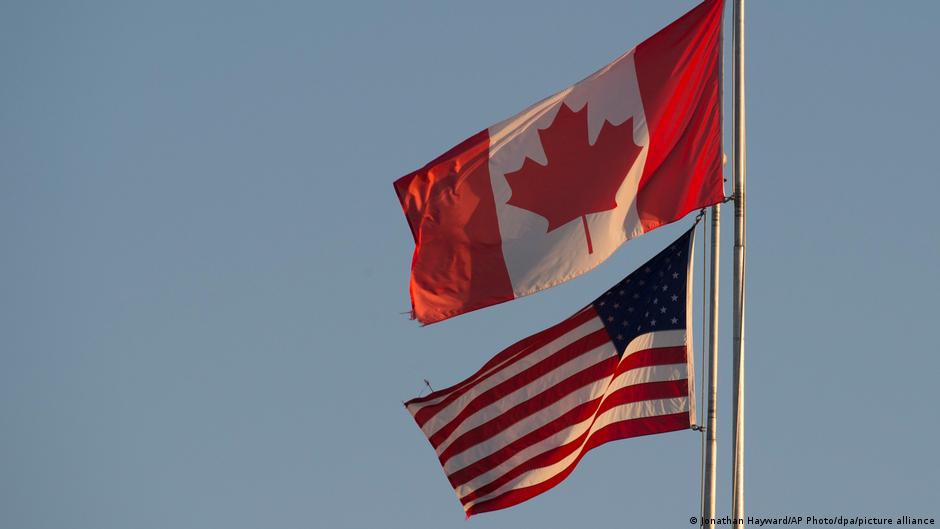
The US government imposes 50% tariffs on Canadian imports including wine and cement, escalating trade tensions and challenging the USMCA trade framework.

The US government imposes 50% tariffs on Canadian imports including wine and cement, escalating trade tensions and challenging the USMCA trade framework.

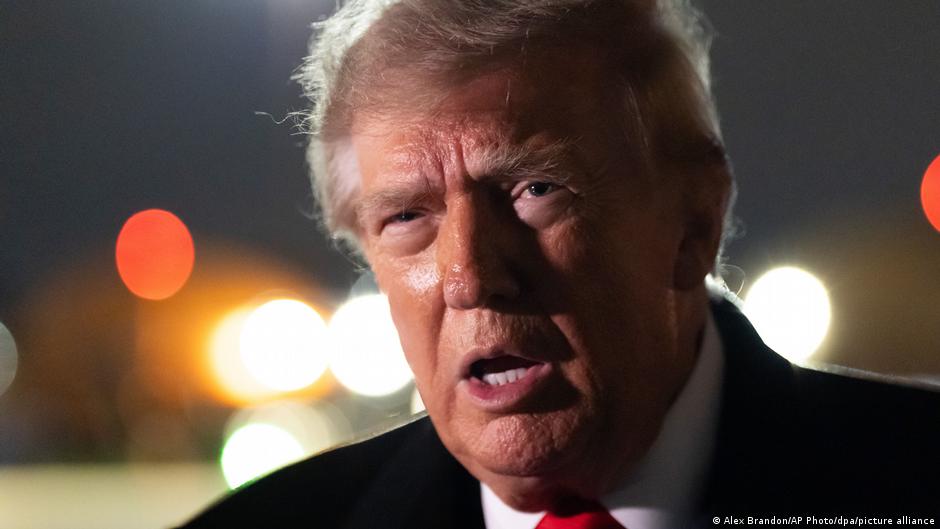
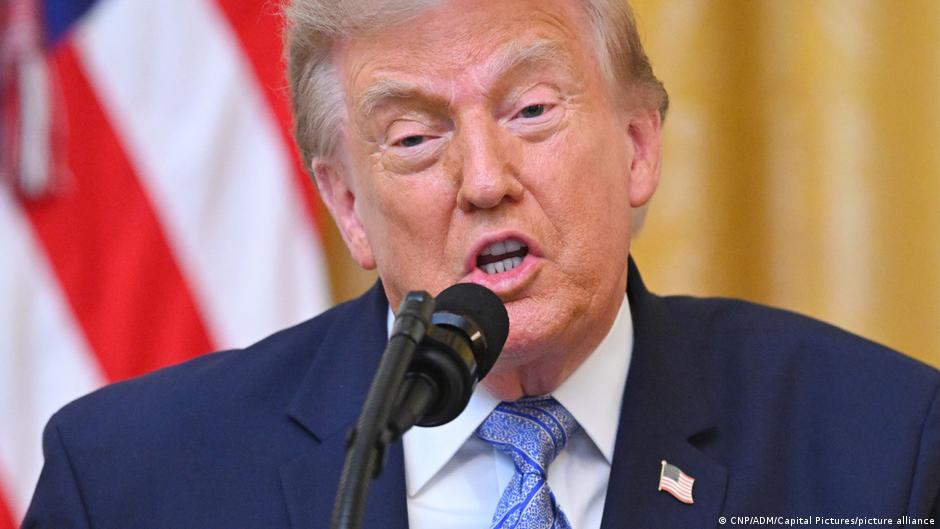
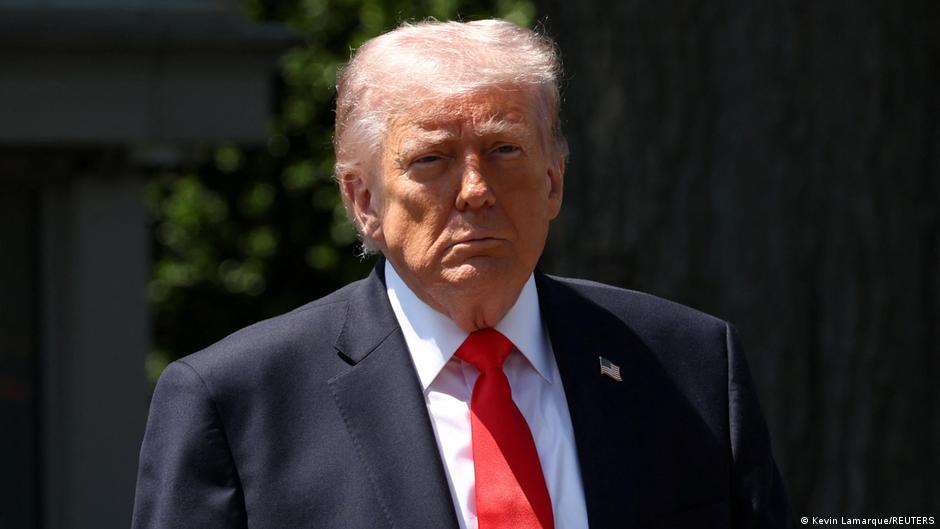
Former President Trump alleges China accessed data of 220 million US voters to influence the 2020 elections and calls for investigations into intelligence cover-ups.

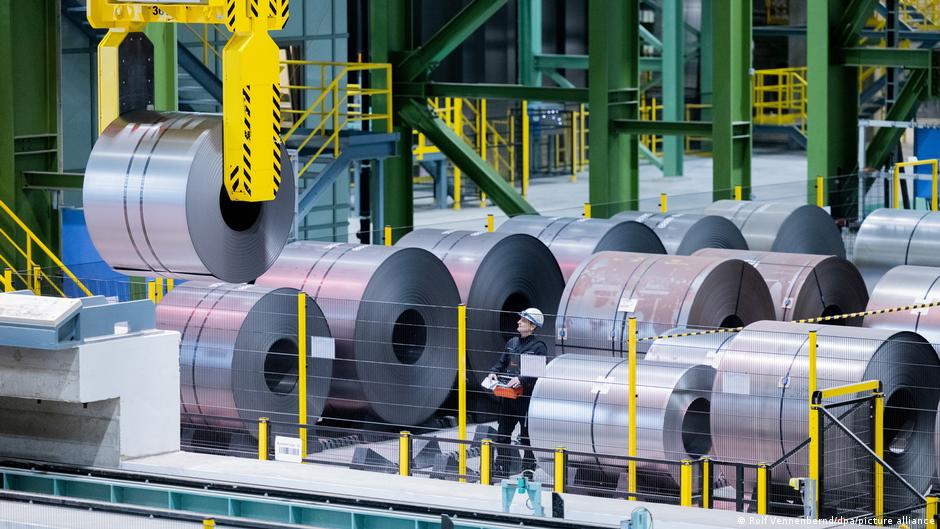
The EU has cut its duty-free steel import quota by 47%, imposing a 50% tariff on excess imports to protect domestic producers amid global overcapacity concerns.

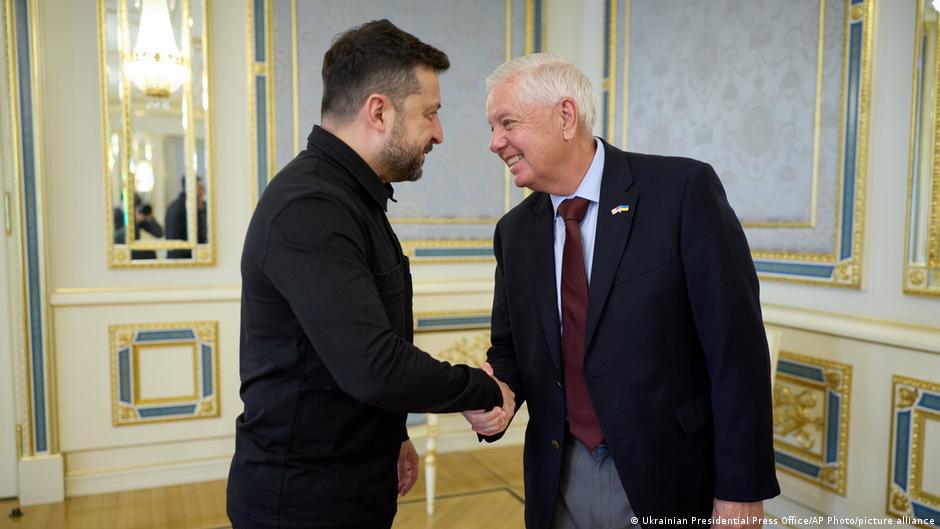
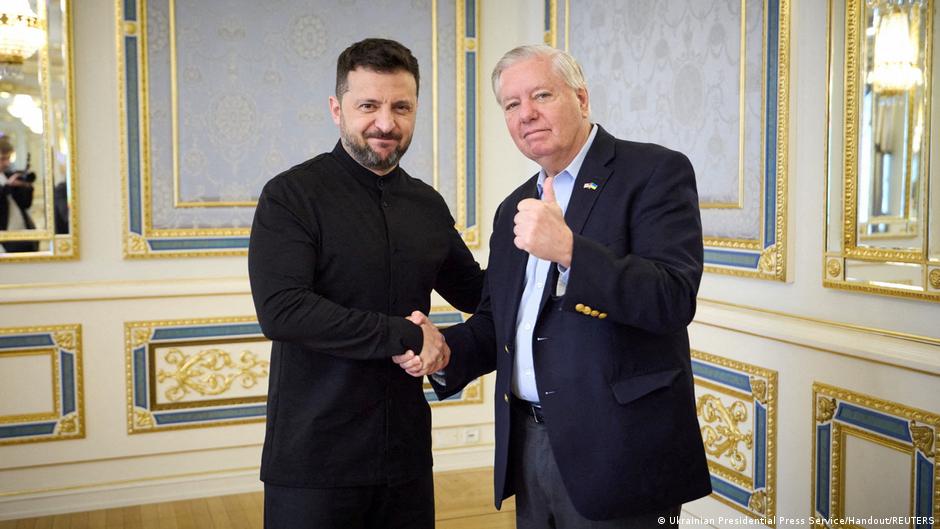
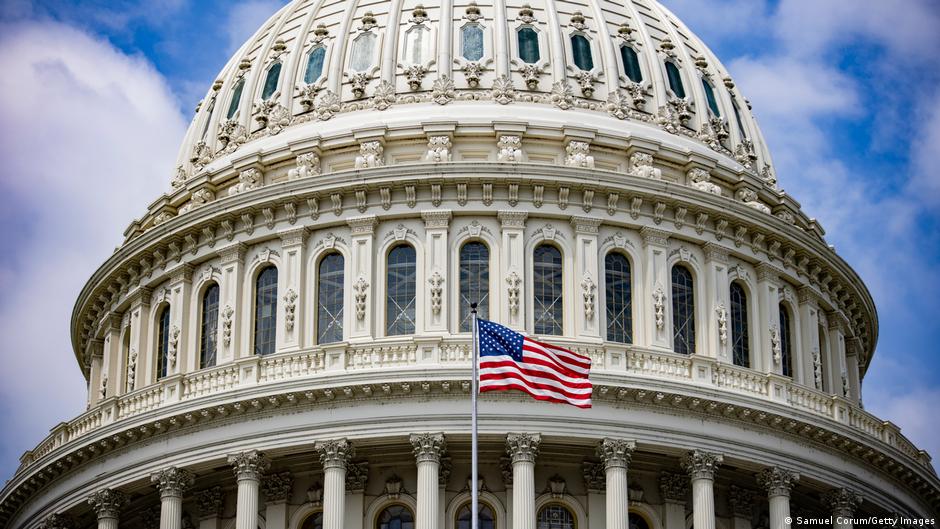
The US House approves legislation enhancing military aid to Ukraine and expanding sanctions on Russia, pending Senate approval and potential presidential veto.

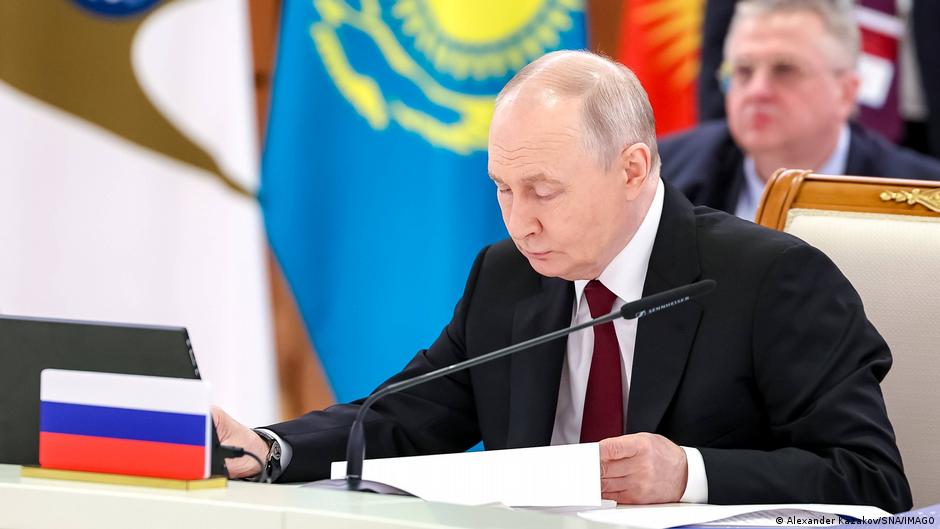
Russian President Putin threatens Armenia with increased tariffs and economic restrictions if it leaves the Eurasian Economic Union amid growing geopolitical tensions.

Hungary’s new government reinstates a ban on Ukrainian agricultural imports after a procedural lapse, emphasizing protection of local farmers and reversing previous international legal withdrawal.

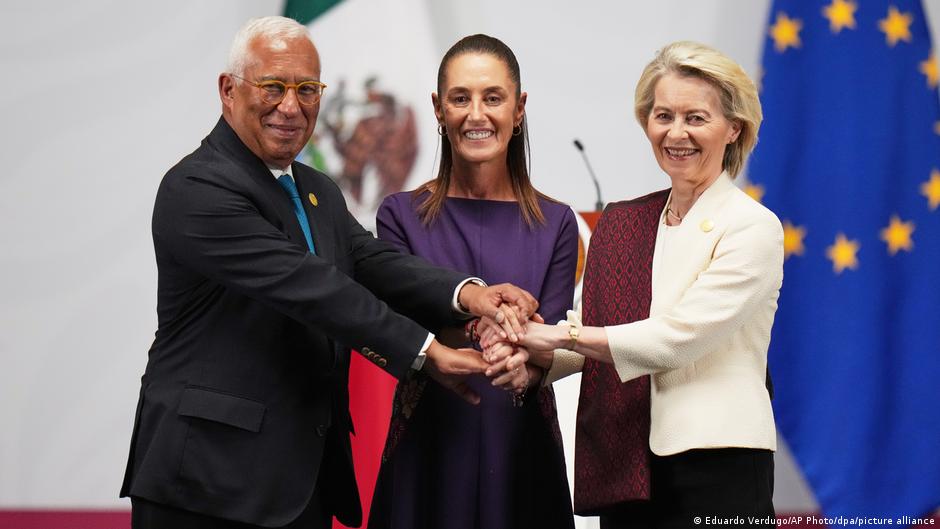
The EU and Mexico have signed a comprehensive trade deal eliminating tariffs and easing trade barriers, aiming to boost exports and deepen economic ties by 2030.

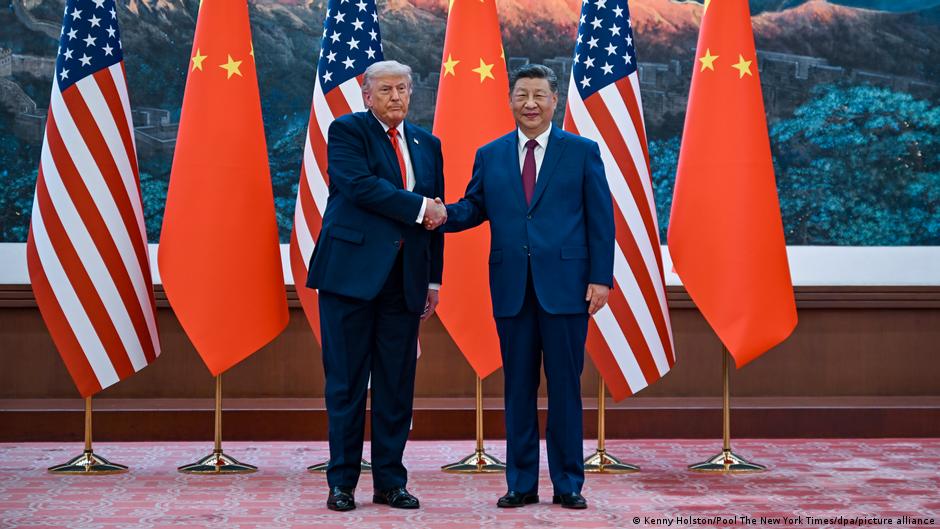
US President Donald Trump and Chinese President Xi Jinping held a ceremonial meeting in Beijing to discuss Iran, Taiwan, and trade relations, signaling efforts to strengthen bilateral ties.

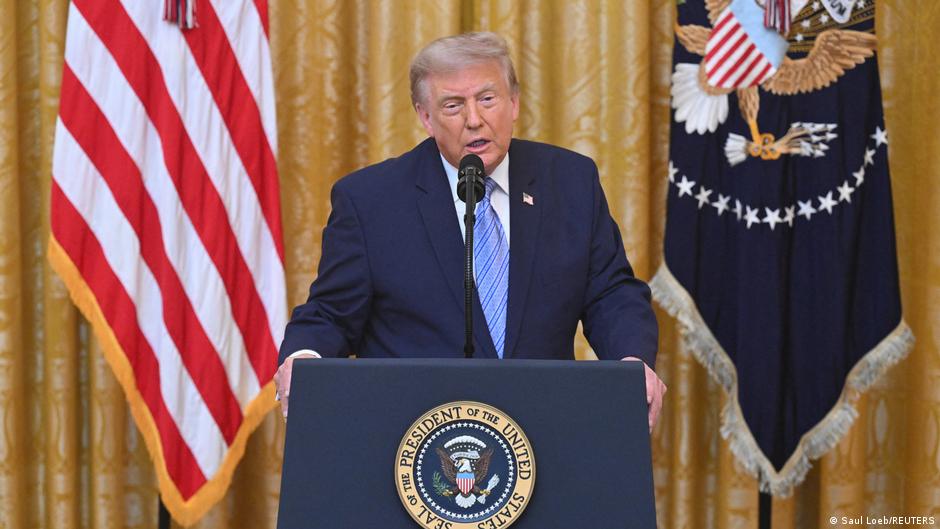
President Trump delays EU auto tariff increases until July 4, awaiting EU compliance with a major trade agreement that impacts automotive and industrial sectors.

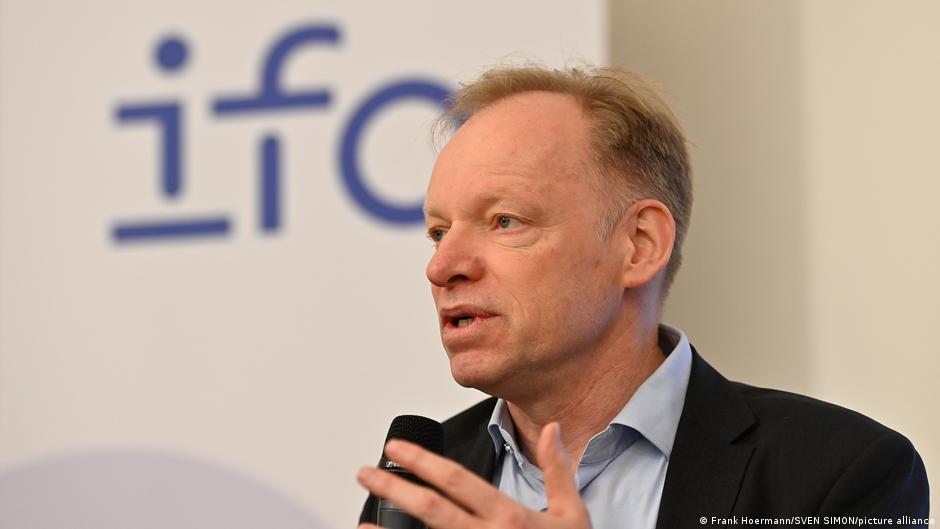
Germany risks recession in 2026 if the EU retaliates against U.S. auto tariffs, warns Munich's ifo Institute amid escalating trade tensions.

The EU and Mercosur initiate a provisional free trade agreement, presenting growth opportunities and regulatory challenges for European industries, especially in Germany.

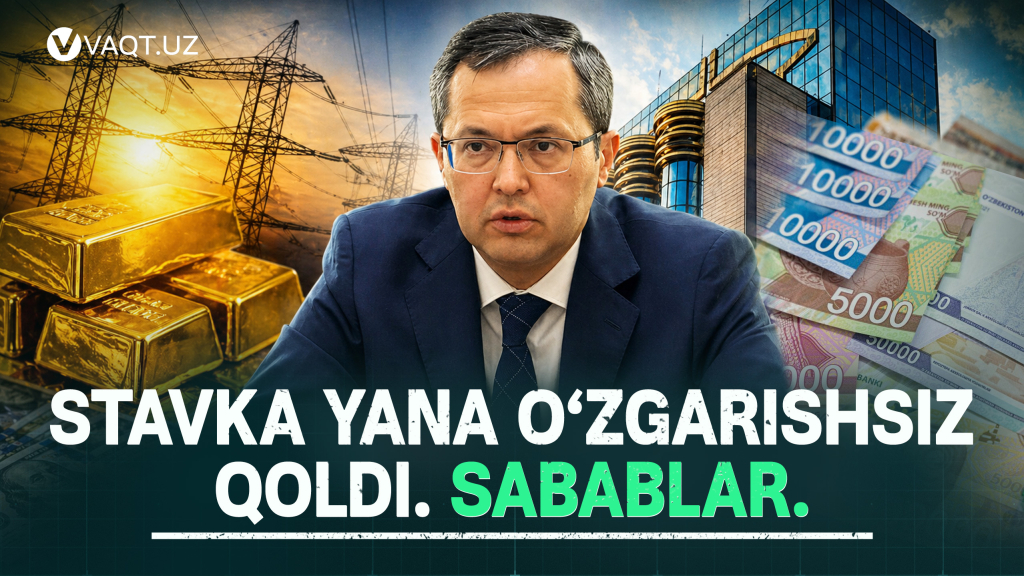
Uzbekistan’s Central Bank retains its 14% key rate due to persistent food inflation and external economic risks despite a general decline in inflation.