US House Approves New Sanctions on Russia and Military Aid for Ukraine Amid Bipartisan Support
US House passes legislation enhancing military aid to Ukraine and expanding sanctions on Russia, pending Senate approval and potential presidential veto.
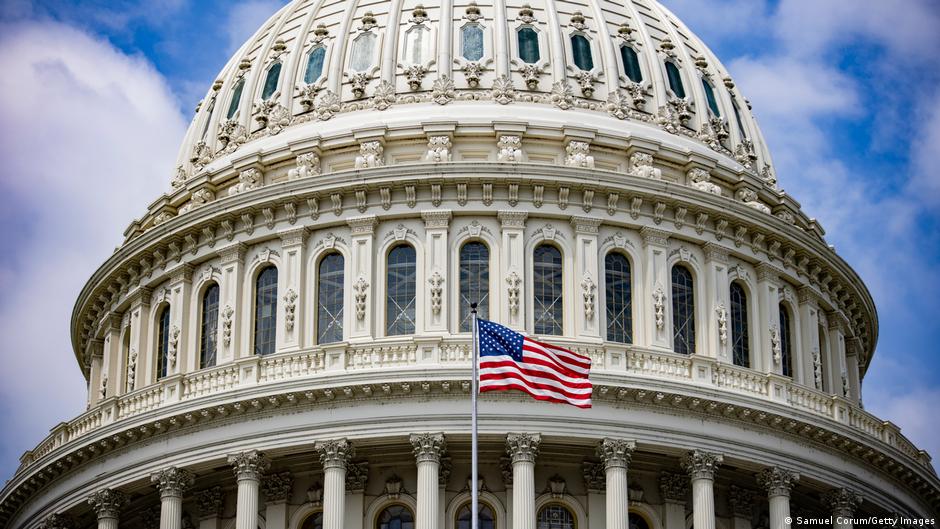
The US House of Representatives has passed a significant legislative package aimed at bolstering support for Ukraine and intensifying sanctions against Russia. On June 5, the bill garnered majority approval with 226 votes in favor and 195 against, reflecting notable bipartisan consensus.
The bill, originally introduced in April, proposes a new fund dedicated to Ukraine's reconstruction efforts. It also renews presidential authority to transfer defense equipment to Ukraine and Eastern European nations through lending or leasing mechanisms. Crucially, it grants the Pentagon authority to provide intelligence support to Ukraine through the end of 2027.
Expanded Sanctions and Strategic Military Cooperation
Beyond military aid, the legislation empowers the US president to impose additional sanctions on Russian individuals and entities, freeze their assets, and enforce new export controls and tariffs. These measures aim to further restrict Russia’s economic capabilities as it continues its military aggression.
Additionally, the bill strengthens cooperation with European allies by facilitating arms deliveries, military training for Ukrainian personnel, and enhanced intelligence coordination, particularly with the Baltic states. The State Department is mandated to bolster the defensive and border security capacities of these countries.
"This is an important step forward that demonstrates sustained bipartisan support for Ukraine," said Ukraine’s ambassador to the US, highlighting the significance of House approval.
Despite the House’s approval, the bill must clear the Senate before becoming law. The Senate debate is expected to be closely contested, with some Republican senators advocating for reduced foreign aid expenditures.
Moreover, even if passed by both chambers, the legislation faces potential obstruction from the executive branch. Former President Donald Trump, who has expressed intentions to retain control over sanction decisions if he returns to office in 2025, may exercise his veto power. Trump's administration previously slowed US aid to Ukraine and has emphasized maintaining presidential authority over sanction policies rather than delegating such power to Congress.
The unfolding legislative process underscores the complex interplay between congressional intent, executive authority, and US foreign policy strategy amid ongoing geopolitical tensions.