US Imposes 50% Tariffs on Canadian Goods Amid Trade Dispute Impacting Key Sectors
President Trump signs executive orders imposing steep tariffs on Canadian wine, cement, and other products to address alleged trade discrimination.
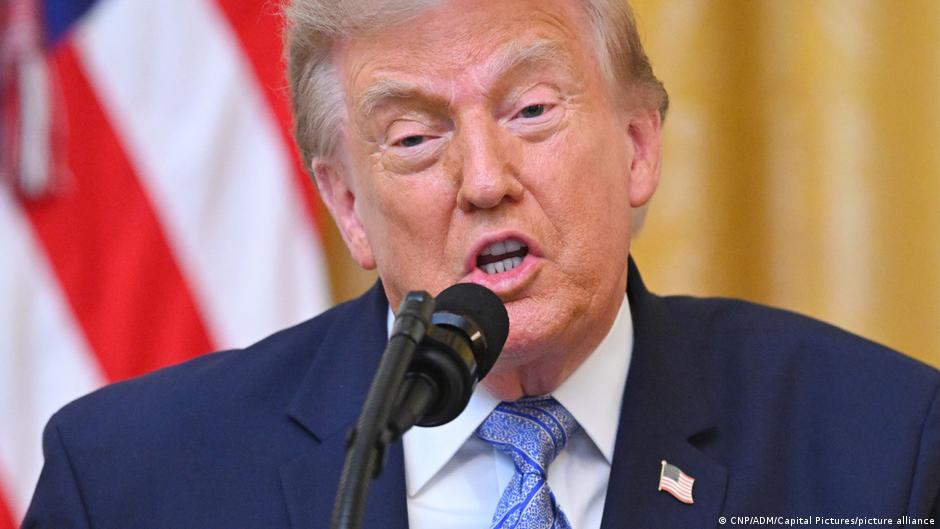
On July 20, 2020, President Donald Trump signed executive orders introducing 50% tariffs on a broad range of Canadian imports, citing discriminatory Canadian policies against American alcohol, automobiles, and dairy products. These tariffs target Canadian goods including wine, cement, and even hockey sticks, signaling a significant escalation in US-Canada trade tensions.
Strategic Tariffs and Their Broader Implications
The new tariffs, effective August 19, exclude energy resources, potash, and products already subject to sector-specific duties. However, they notably apply to products covered under the United States-Mexico-Canada Agreement (USMCA), thereby disrupting elements of this key trade framework. According to US Trade Representative Jamison Greer, the tariffs will impact approximately $20 billion worth of Canadian imports.
"Canada removed American alcoholic beverages from Canadian shelves, expanded EU dairy market access, and restricted US automobile exports," Greer stated, underscoring the US rationale for the steep tariffs.
President Trump’s administration aims to leverage these tariffs to negotiate more favorable export conditions for American automobiles, a sector critical to the US economy and manufacturing base. This move follows previous threats and actions targeting Canadian aviation products and other sectors.
Canadian Prime Minister Justin Trudeau’s government responded by expressing readiness to intensify trade negotiations and proposed updates to the USMCA framework to resolve disputes. Canadian officials have condemned the tariffs as unilateral violations of the trilateral agreement, responding in kind with reciprocal tariffs on American goods.
These tariffs come amid broader tensions between Washington and Ottawa, including recent incendiary rhetoric from President Trump linking Canadian wildfires and air pollution to the imposition of additional tariffs. The situation is further complicated by Trump's recent threats to impose a 50% tariff on all Canadian-built aircraft and attempts to block certification of certain American-made Gulfstream jets in Canada.
The administration clarifies that existing Canadian aircraft operating in the US will not be affected by certification revocations, but demands immediate Canadian approval for Gulfstream models has heightened tensions. Bombardier, the Canadian aerospace manufacturer, is actively engaging with the Canadian government in response to these developments.
Trade experts warn that these escalating tariffs risk undermining decades of integrated supply chains and economic cooperation between the US and Canada, which are among each other's largest trading partners. The dispute highlights the challenges of balancing national economic interests with the commitments of regional trade agreements.
As Canada pushes to reduce economic dependence on the US and calls for a rules-based global order, the evolving trade dispute will test the resilience and adaptability of North American economic ties amid shifting geopolitical priorities.