Hungary Reinstates Ban on Ukrainian Agricultural Imports Amid Political Transition
New Hungarian government swiftly restores agricultural import restrictions on Ukraine, citing protection of domestic farmers and reversing prior procedural oversight.
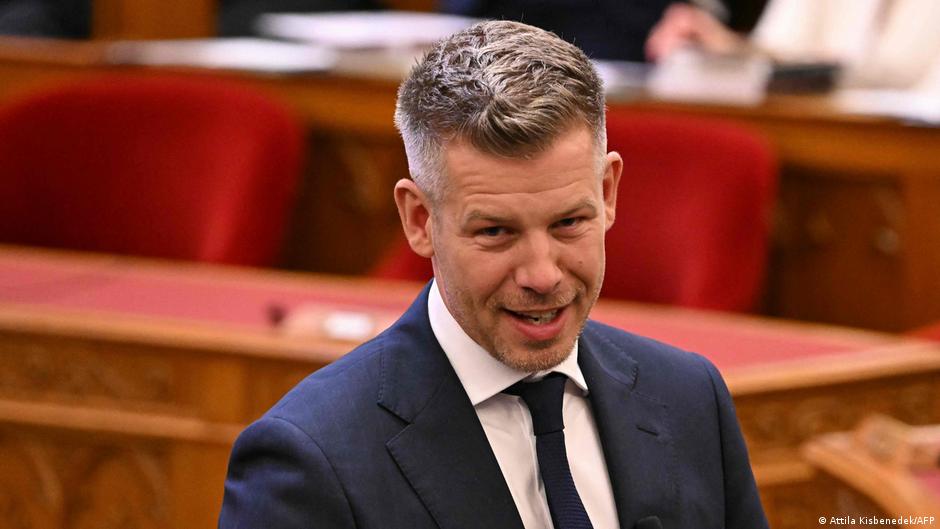
Hungary's government has announced the reinstatement of a ban on agricultural imports from Ukraine, a move driven by concerns over protecting domestic farmers and correcting a recent procedural lapse amid a change in administration.
On May 22, Prime Minister Péter Magyar confirmed via social media that the ban, initially introduced under Viktor Orbán’s government in April 2023, would be quickly restored after it was inadvertently allowed to lapse earlier in May 2026 due to a legislative oversight tied to the governmental transition.
The original ban targeted roughly 20 categories of Ukrainian agricultural goods, including beef, pork, poultry meat, eggs, grain, flour, sunflower oil, and rapeseed oil. Hungarian Agriculture Minister Szabolcs Bóna emphasized that the government would not permit Ukrainian imports to threaten the livelihoods of local farmers, signaling potential expansion of the banned products list to include honey.
Strategic Implications for Hungary's Agricultural Sector and EU Relations
Hungary’s decision to reimpose the ban comes amid ongoing tensions related to the European Union’s policy on Ukrainian agricultural products, which were largely exempted from tariffs in May 2022 following Russia’s full-scale invasion of Ukraine. This EU-wide measure aimed to bolster Ukraine’s war-impacted economy but drew criticism from farmers in neighboring countries, including Hungary, Poland, and Slovakia, leading to the introduction of temporary import restrictions by these nations.
The reinstatement of Hungary’s ban reflects a strategic prioritization of domestic agricultural interests in the context of broader geopolitical and economic challenges. Hungary’s government framed the previous lapse as a "legislative error" rather than a policy shift, underscoring its commitment to shielding national producers from the competitive pressures of tariff-free Ukrainian imports.
"We will not allow Ukrainian imports to threaten the livelihoods of Hungarian farmers," said Agriculture Minister Szabolcs Bóna.
For multinational agribusinesses and trading firms operating in Central and Eastern Europe, these developments signal a need to recalibrate supply chain strategies and risk assessments in response to shifting national policies that override broader EU frameworks.
Reversal of Hungary’s Withdrawal from the International Criminal Court
In a parallel diplomatic development, Prime Minister Magyar also announced that Hungary is retracting its previous government’s declaration to withdraw from the International Criminal Court (ICC), submitted in April 2025. This withdrawal was initially scheduled to take effect approximately one year later.
The ICC, headquartered in The Hague, investigates grave international crimes including genocide, war crimes, and crimes against humanity. Hungary has been a party to the Rome Statute since 2001 and is among more than 100 states participating in the ICC framework.
The withdrawal announcement by the prior administration coincided with a visit by Israeli Prime Minister Benjamin Netanyahu, which notably allowed him to avoid arrest on an ICC warrant issued at the time. Magyar’s move to rescind the withdrawal aligns Hungary back with its long-standing international legal commitments, signaling a shift in foreign policy and international alignment under the new government.
These dual policy reversals—restoring the agricultural import ban and reinforcing ICC membership—highlight the new Hungarian administration’s intent to assert domestic economic priorities while recalibrating its international posture.
For corporate leaders and investors engaged with the Hungarian market, these shifts underscore the importance of monitoring political transitions and their impact on regulatory and trade environments.