Trump Alleges Chinese Interference in 2020 US Elections Citing Data Breach of 220 Million Voters
Former President Trump accuses China of exploiting US electoral vulnerabilities and calls for investigations into intelligence failures.
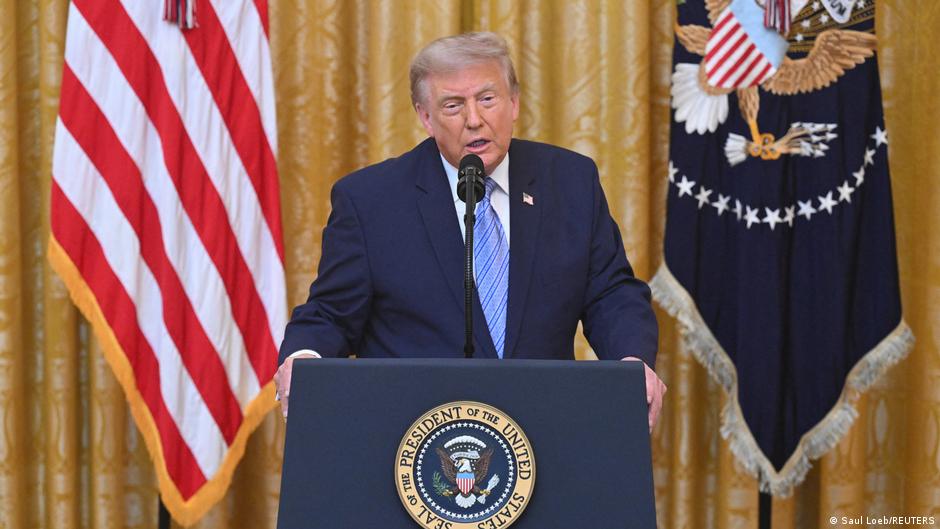
In a 25-minute address to the nation, former US President Donald Trump outlined what he described as "shocking vulnerabilities" in the American electoral system and announced the declassification of intelligence suggesting significant Chinese interference in the 2020 US presidential elections.
Broadcast live on the White House YouTube channel in the early hours of July 17, Trump claimed that China accessed the personal data of approximately 220 million American voters. This data allegedly includes names, addresses, phone numbers, and party affiliations—information reportedly obtained through purchase, theft, or hacking.
Implications of Electoral Data Breach and Calls for Accountability
"For several years, beginning with the 2020 election cycle, the People’s Republic of China has conducted an operation believed to be the largest election data breach in history," Trump said. He further accused China of leveraging this data to influence the election outcome, suggesting attempts to undermine his candidacy by manipulating real votes and bribing journalists to publish negative coverage.
Highlighting systemic weaknesses, Trump also asserted that around 278,000 non-citizens were registered as voters across four US states, raising questions about voter registration integrity.
"China paid huge sums of money for an even greater number of negative stories about me," Trump stated, emphasizing the foreign influence on public perception during the election cycle.
Trump linked the alleged interference to his administration's plans to impose multibillion-dollar tariffs on China and his efforts to build what he described as "the strongest military in the world." He warned that these electoral vulnerabilities could also be exploited by other foreign adversaries, including Russia, Iran, North Korea, and some non-state actors.
In a sharp critique of US intelligence agencies, Trump accused officials within the "deep state" of actively suppressing and downplaying evidence of China's election meddling. He claimed this information was withheld not only from him as president but from the American public as well.
"Today, I am calling on the Office of the Director of National Intelligence, the Department of Justice, the FBI, and the CIA to investigate how and why this critical information was concealed; to remove those responsible for this cover-up; and, where warranted, to initiate criminal proceedings against the guilty parties," Trump demanded.
This revelation, if substantiated, could have far-reaching consequences for US electoral security policies and the oversight role of intelligence agencies. Corporate leaders and policymakers may need to reassess risks related to data security breaches and foreign interference in democratic processes, potentially influencing executive decisions in cybersecurity investments and government relations strategies.