EU and Mexico Sign Comprehensive Trade Agreement to Enhance Economic Partnership
The new deal eliminates tariffs, reduces trade barriers, and opens government procurement, marking a strategic shift in EU-Mexico relations.
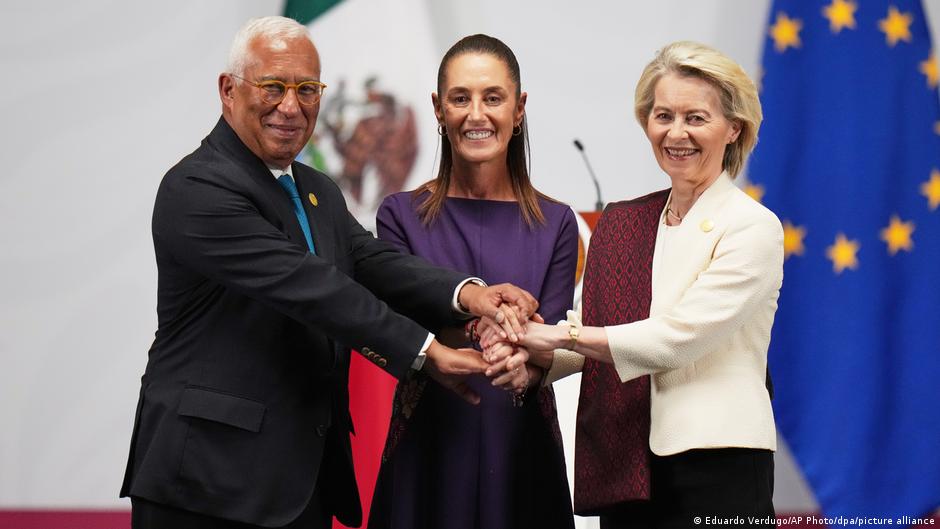
After a decade of negotiations, the European Union and Mexico have signed a renewed and extensive trade and cooperation agreement aimed at deepening economic ties and expanding market access. The agreement, finalized during a summit in Mexico City on May 22, heralds significant changes for business leaders and corporate strategists on both sides.
Key Provisions and Strategic Implications
Under the new agreement, Mexico will eliminate nearly all existing tariffs on imports from EU countries. This tariff removal is paired with efforts to dismantle bureaucratic trade barriers and streamline access to government procurement contracts in Mexico for European companies.
"Given the current geopolitical context, our partnership is more important than ever," said European Council President António Costa at the signing ceremony.
The updated deal also includes protections for specific product origins, such as Parma ham, Bavarian beer, and Tyrolean bacon, ensuring brand integrity and market differentiation. Additionally, Mexico commits to gradually removing tariffs on poultry, pork, cheese, and chocolate, providing European exporters with expanded opportunities.
European Commission President Ursula von der Leyen highlighted a €5 billion EU investment pledge, which will fund infrastructure projects in Mexico, reinforcing the economic integration between the regions.
Trade Growth and Economic Outlook
Trade volumes between the EU and Mexico have grown by 75% over the past decade, with the EU exporting approximately €56 billion worth of goods annually to Mexico. Mexico’s economy ministry projects that the new agreement could increase Mexican exports to the EU by 50% by 2030, potentially reaching €31 billion per year.
This expansion benefits businesses across various sectors. Mexican exports such as chicken meat and asparagus will gain near duty-free access to European markets. Conversely, European products like dry milk, cheese, and pork will enter Mexico with reduced tariffs, albeit subject to certain quotas.
Broader Geopolitical and Corporate Strategy Context
The agreement reflects a strategic pivot in response to global trade challenges, including the protectionist tendencies observed during the previous U.S. administration under President Donald Trump. Both the EU and Mexico aim to diversify their trade partnerships to mitigate risks and foster resilient supply chains.
Beyond trade liberalization, the agreement incorporates commitments on climate change, human rights, and international cooperation, aligning economic objectives with broader corporate social responsibility and sustainability goals.
For multinational corporations and investors, particularly German firms with significant manufacturing operations in Mexico, the deal enhances predictability and access to critical raw materials. The agreement’s facilitation of market access is expected to catalyze cross-border investments and bolster supply chain integration.
Once ratified, the pact will complement Mexico’s existing trade agreements, including the North American Free Trade Agreement (NAFTA), positioning Mexico as a crucial hub for production and trade linking Europe with North America.
Overall, the EU-Mexico trade agreement represents a significant development for corporate boards and executives planning international expansion and investment strategies, underscoring the importance of adaptive governance in an evolving global trade environment.