Trump Delays Sweeping Russia Sanctions, Citing Talks and Iran Strategy
The White House is preserving sanctions leverage as Trump links Ukraine diplomacy and Russian restraint toward Iran to U.S. economic interests.
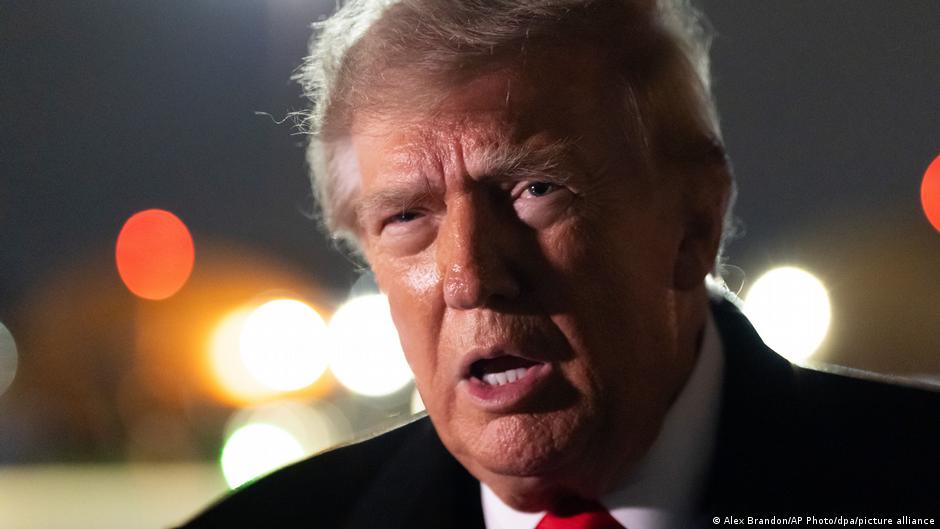
President Donald Trump said he has postponed imposing what he described as “hellish sanctions” on Russia, framing the decision as a strategic effort to keep Moscow engaged in negotiations over its war against Ukraine and to discourage the Kremlin from expanding its support for Iran.
Trump said he retains the authority to impose the restrictions whenever he considers it appropriate. His position leaves a potentially powerful economic measure in reserve while tying its timing to two foreign-policy objectives: progress in Ukraine negotiations and continued Russian restraint in its relationship with Tehran.
In a Truth Social post published Sunday, October 18, Trump said he did not want to take action that could drive Russia away from the negotiating table. He claimed that talks with Moscow had already produced “significant progress,” particularly on the release of prisoners.
“I can sign it later at any time, whenever I consider it necessary,” Trump said of the proposed sanctions legislation.
The delay illustrates the administration’s preference for preserving executive flexibility rather than activating congressionally backed economic pressure on a fixed schedule. For companies exposed to Russian trade, energy markets or secondary sanctions, the decision provides temporary relief but little long-term certainty. The measures remain available, and Trump’s comments suggest their deployment will depend heavily on his assessment of diplomatic conduct.
Sanctions Leverage Meets Energy-Market Concerns
The legislation associated with Senator Lindsey Graham would impose additional tariffs of 500% on Russian goods. It also calls for 100% tariffs on products from countries ranked among the five largest buyers of Russian oil and gas, as well as countries considered especially active in helping Moscow circumvent existing sanctions.
Such penalties would reach beyond bilateral U.S.-Russia commerce. By targeting major purchasers of Russian energy and parties facilitating sanctions evasion, the proposal could affect multinational supply chains, commodity trading and commercial relationships with third countries. The scale of the proposed tariffs also gives the White House substantial leverage, but carries the risk of disrupting markets well beyond Russia.
The law required Trump to introduce the restrictive measures by October 18, while allowing him to pause the process if doing so served U.S. national interests. Trump exercised that authority on October 17, effectively choosing diplomatic discretion over immediate enforcement.
Trump also said Russia was providing Iran with practically no assistance, at least compared with what Moscow could provide. He said he wanted that restraint to continue and argued that ill-considered action could undermine it. The statement links the sanctions decision to a broader geopolitical calculation in which Washington is seeking to limit cooperation between two governments already subject to extensive Western restrictions.
For corporate leaders and boards, the approach creates a familiar but difficult risk environment: a major sanctions package has been deferred, not abandoned. Businesses with direct or indirect exposure to Russian commodities, shipping, finance or counterparties in large energy-importing countries must therefore weigh short-term continuity against the possibility of rapid policy escalation.
Trump Criticizes Ukrainian Refinery Strikes
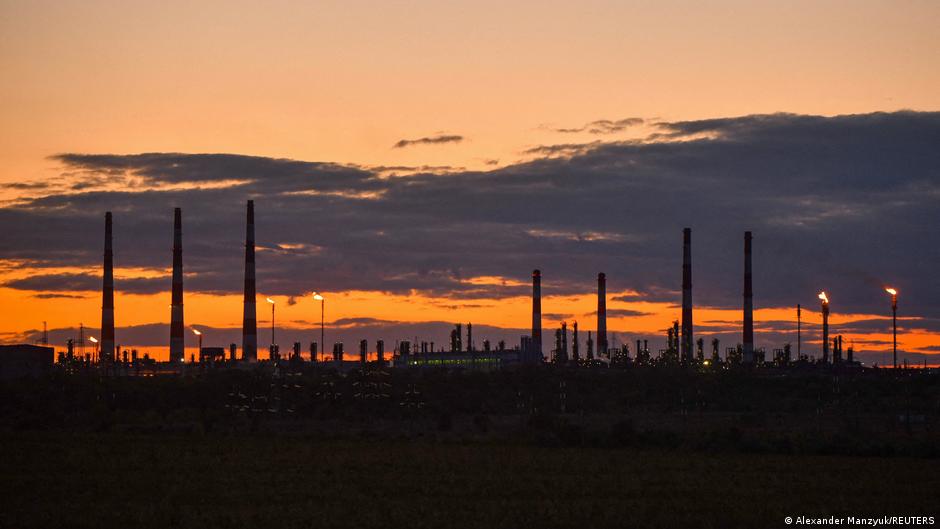
The president again criticized Ukrainian President Volodymyr Zelensky over attacks by Ukraine’s armed forces on Russian oil refineries that produce diesel fuel. Trump argued that Zelensky understands the strikes are causing serious damage to the global diesel market, including the U.S. market.
Trump said farmers, ranchers and business owners across multiple industries were suffering as a result. He also asserted that Russia continued to supply the global market with millions of barrels of low-priced diesel despite the attacks, and accused Zelensky of being unconcerned about the economic consequences.
The comments bring domestic commercial considerations directly into the administration’s Ukraine policy. Diesel costs influence agriculture, freight, construction and other fuel-intensive sectors, giving refinery disruptions consequences that can move from the battlefield into corporate operating budgets and consumer prices.
Trump reiterated that he wants to end Russia’s war against Ukraine, while accusing Zelensky of having no real interest in ending it and suggesting that the Ukrainian president may never have sought such an outcome. He claimed that Ukraine could have reached a substantially better agreement two years earlier.
The president further asserted that Ukraine was now in ruins, had lost a significant share of its territory and no longer had access to seas or oceans. He also said the country’s male population had declined through displacement, injury or death.
Taken together, Trump’s statements present the sanctions pause as an exercise in bargaining power rather than a retreat from economic pressure. The administration is keeping severe trade penalties available while seeking concessions or continued restraint from Russia on Ukraine, prisoner releases and Iran. That strategy may preserve room for negotiation, but it also places consequential commercial policy decisions within a highly personalized and potentially fast-changing diplomatic process.