Kyiv Missile Strike Kills 21-Year-Old, Damages Metro Infrastructure
The attack hit buildings across three Kyiv districts and disrupted a metro station, underscoring operational risks for the Ukrainian capital.

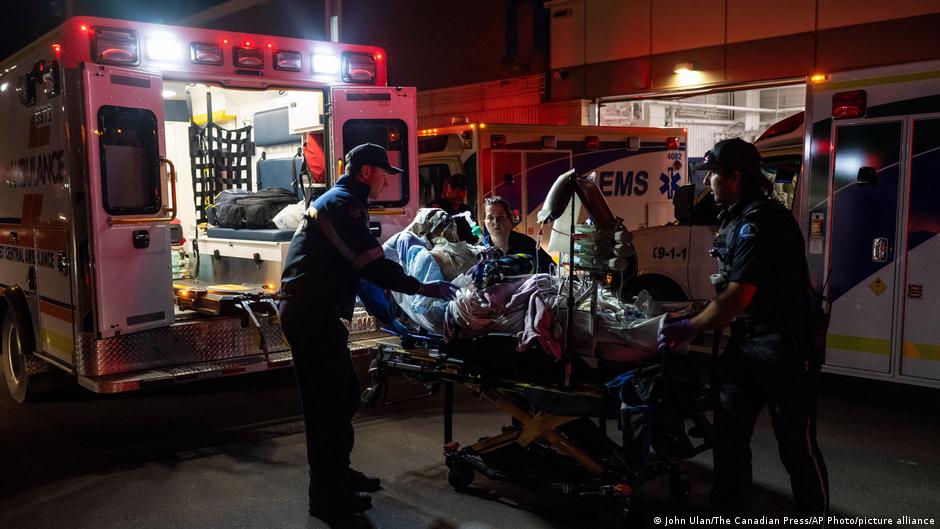
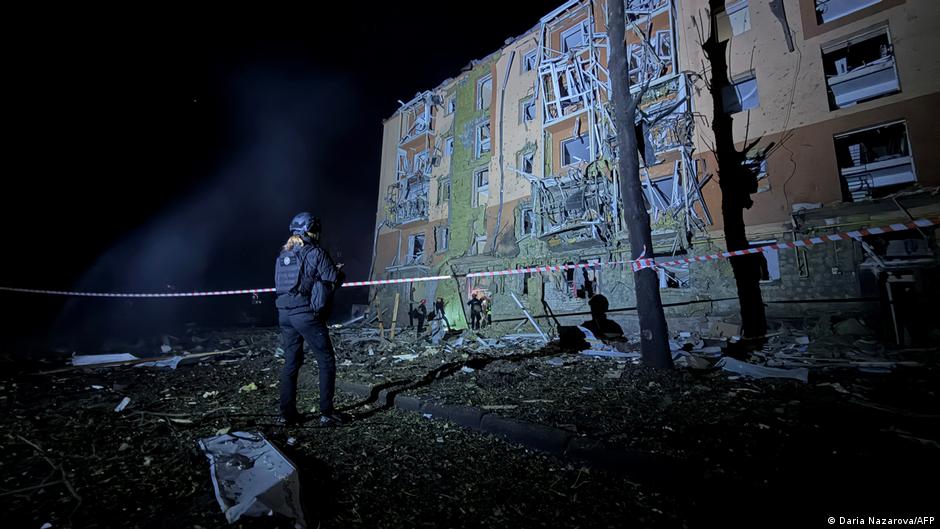
A Russian missile strike on Kyiv on the evening of Sunday, October 18, killed a 21-year-old woman and injured three other residents, according to the Ukrainian capital’s authorities. The attack caused damage across multiple districts, including at a medical center, a residential tower and a nonresidential building.
Kyiv Mayor Vitali Klitschko said a site in the city’s Desnianskyi district was hit, with preliminary information indicating that the affected building was a medical center. In the Dniprovskyi district, a nonresidential building was struck. In the Solomianskyi district, the first floor of a 25-story residential building was hit.
The Ukrainian Air Force said that Kyiv was attacked with a ballistic missile on the evening of October 18. The reported use of a ballistic weapon highlights the compressed warning and response times confronting municipal authorities, emergency services, infrastructure operators and organizations responsible for employee safety.
Metro damage adds an infrastructure dimension
The strike also damaged one of Kyiv’s metro stations on the left bank of the Dnipro River, Klitschko said. Falling debris caused a break in the rails, introducing a transportation and operational challenge beyond the sites directly hit.
For businesses operating in Kyiv, damage to urban transit can affect far more than passenger journeys. The metro is part of the infrastructure that enables employees, customers, contractors and emergency personnel to move across the capital. A damaged rail segment can therefore create secondary disruption even when offices, stores or industrial sites have not been directly struck.
The incident illustrates how a single attack can generate simultaneous demands on several systems: medical response, residential safety, building inspections, transportation management and public communications. The geographic spread of the reported impacts across the Desnianskyi, Dniprovskyi and Solomianskyi districts also shows that operational risk cannot necessarily be confined to one part of the city.
Falling debris damaged a metro station on Kyiv’s left bank and caused a break in the rails, according to the mayor.
Executive decisions under persistent security risk
For corporate leaders and boards overseeing operations in Ukraine, the immediate human toll remains the central fact: one young woman was killed and three people were wounded. The damage to a medical facility, housing and transport infrastructure also reinforces the need to consider how security incidents can affect employees both at work and in their homes and commutes.
The reported impacts are relevant to executive decisions about business continuity, workplace attendance and emergency procedures. Companies with personnel in Kyiv must account for the possibility that an attack may damage a facility used by their workforce, interrupt a normal travel route or place pressure on local medical and emergency services at the same time.
Boardroom oversight in such an environment extends beyond the protection of a company’s own premises. Directors and senior executives may need visibility into whether management has alternative communications channels, flexible work arrangements and contingency plans for transport disruption. The October 18 attack demonstrates why those issues are connected: damage was reported at a medical center, a residential building, a nonresidential property and a metro station during the same event.
The incident also underscores the importance of timely information in corporate crisis management. Klitschko communicated details through Telegram, reporting the casualties and identifying the affected districts and types of buildings. The Air Force separately identified the attack as involving a ballistic missile. For organizations making rapid decisions about staff movement or temporary closures, official alerts and municipal updates are essential inputs.
A broad risk footprint across the capital
The three districts named by the mayor represent distinct parts of Kyiv’s urban landscape. The preliminary report of a strike on a medical center raises concerns about access to care and the resilience of health-related facilities. The impact on the first floor of a 25-story residential building brings the consequences directly into the living environment of the city’s residents. The hit on a nonresidential building adds another category of property exposure.
Meanwhile, the rail break at the metro station shows how falling debris can impair critical infrastructure even when the station itself is not described as the missile’s primary target. That distinction matters for risk planning: disruption may occur through blast effects or debris, not only through a direct hit.
Authorities did not provide further details in the source report about the conditions of the three injured people, the identity of the woman who died, the extent of damage to the affected buildings or the duration of the metro disruption. The available information nevertheless presents a clear picture of a strike with fatal consequences and effects spanning healthcare, housing, commercial or civic property, and public transportation.