Trump Resets Canadian Tariffs, Forcing Companies to Rework Trade Plans
The White House is removing 50% duties from selected Canadian goods while shifting tariffs to new product categories.
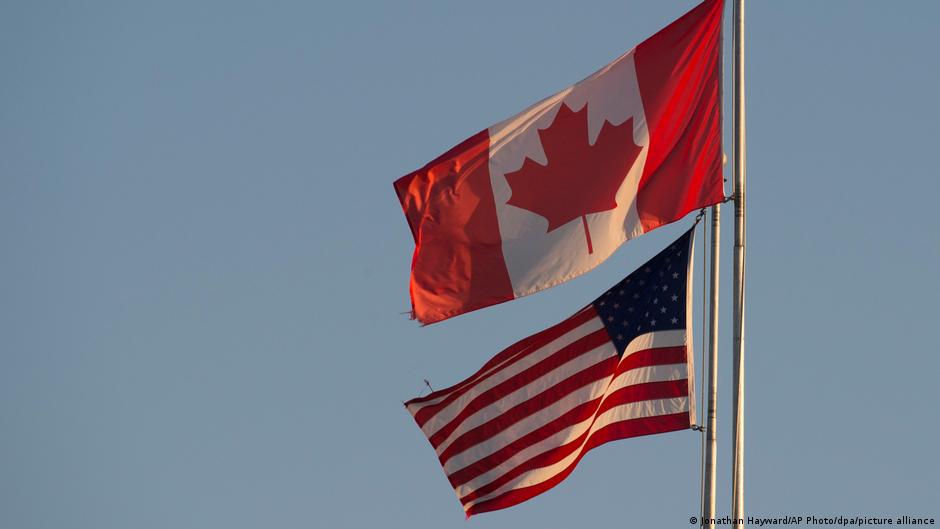
President Donald Trump has ordered the United States to remove 50% customs duties from a group of Canadian products beginning Oct. 30, while simultaneously imposing tariffs on other categories of imports from its northern neighbor. The decision redraws the commercial boundaries of an escalating dispute rather than resolving it, leaving executives on both sides of the border to reassess sourcing, pricing and capital plans.
Trump signed the order on Friday, Oct. 23. The goods receiving relief include plywood, certain paper products, machinery used by the pulp and paper industry, packing cases and cardboard boxes, as well as fresh and dried seaweed.
For manufacturers and distributors exposed to those supply chains, the removal of a 50% duty could materially alter purchasing economics. Lower border costs may restore the viability of Canadian suppliers, ease pressure on packaging and industrial inputs, and force procurement teams to revisit contracts negotiated under the higher tariff regime. Companies that shifted orders or built alternative supply arrangements may now have to decide whether another change is worth the operational disruption.
Relief for Some Sectors, New Exposure for Others
The White House paired the exemptions with duties on a different collection of Canadian products, describing the move as a way to balance the tariff adjustment. The newly covered goods include carpets, paints, shampoos, cocoa powder, wooden coffins, ice cream sticks, air conditioners and freezers, along with archery products and canoes.
The varied list spreads the consequences across consumer goods, building materials, appliances and niche manufacturers. For corporate leaders, the central issue is not only the tariff rate but the uncertainty created by rapid changes in product coverage. Importers must determine whether to absorb the added expense, seek concessions from suppliers, raise prices or relocate purchasing. Canadian exporters, meanwhile, face decisions about preserving US market share, redirecting inventory or changing production plans.
Boards overseeing companies with significant cross-border exposure may seek more detailed reporting on tariff sensitivity, supplier concentration and contractual protections. Management teams will also need to distinguish temporary policy adjustments from changes likely to persist, an especially difficult judgment when Washington is simultaneously easing and expanding trade barriers.
Ottawa is prepared to work “constructively and in good faith” toward a more mutually beneficial trade relationship that takes Canadian interests into account.
Dominic LeBlanc, Canada’s minister of intergovernmental affairs and the official responsible for trade with the United States, said Ottawa was assessing the US action. His response indicated that Canada had not yet announced a new countermeasure and was leaving room for negotiations.
A Broader Test of the US-Canada Commercial Relationship
The dispute over the US-Canada trade arrangement and reciprocal tariffs of 50% has become a prominent sign of deteriorating relations between Washington and Ottawa since Trump returned to the presidency. Trump has also repeatedly raised the possibility of incorporating Canada into the United States as its 51st state, adding a political dimension to an already difficult commercial relationship.
For multinational companies, that backdrop complicates decisions extending well beyond the specific products named in the latest order. The United States and Canada support deeply integrated supply chains, and repeated policy shifts can affect inventory levels, logistics routes, working-capital requirements and the location of future investment. Even businesses receiving tariff relief may remain cautious about expanding their dependence on cross-border flows while the wider dispute continues.
The latest changes follow another disruption at the end of September, when the United States suspended imports of several Canadian goods for an indefinite period. The affected products included alcoholic beverages, beer, sparkling wine and whey, certain dairy products, and motorcycles.
Washington took that step after Ottawa chose to respond in kind to higher customs duties introduced by US authorities in August. That sequence established a pattern of action and retaliation that executives must now factor into their risk planning. A concession in one category can be accompanied by restrictions elsewhere, making tariff exposure a moving target rather than a single cost adjustment.
Companies are therefore likely to treat the Oct. 30 changes as a portfolio-level issue. Beneficiaries in paper, plywood, packaging and industrial machinery may gain immediate cost relief, while businesses dealing in the newly listed products face fresh margin pressure. Conglomerates and retailers operating across multiple categories could experience both effects at once.
The boardroom implication is clear: US-Canada trade policy can no longer be treated as a stable assumption. Directors may press management to develop scenarios for further tariff changes, review alternative suppliers and clarify how quickly prices can be adjusted. The White House order offers targeted relief, but its simultaneous expansion of duties signals that the bilateral trade conflict remains active and that corporate strategy will need to account for continued volatility.