EU and Mercosur Launch Free Trade Zone, Posing Strategic Opportunities and Challenges for European Industry
The EU-Mercosur trade agreement begins provisional implementation, promising growth for European manufacturing sectors while facing regulatory and environmental scrutiny.
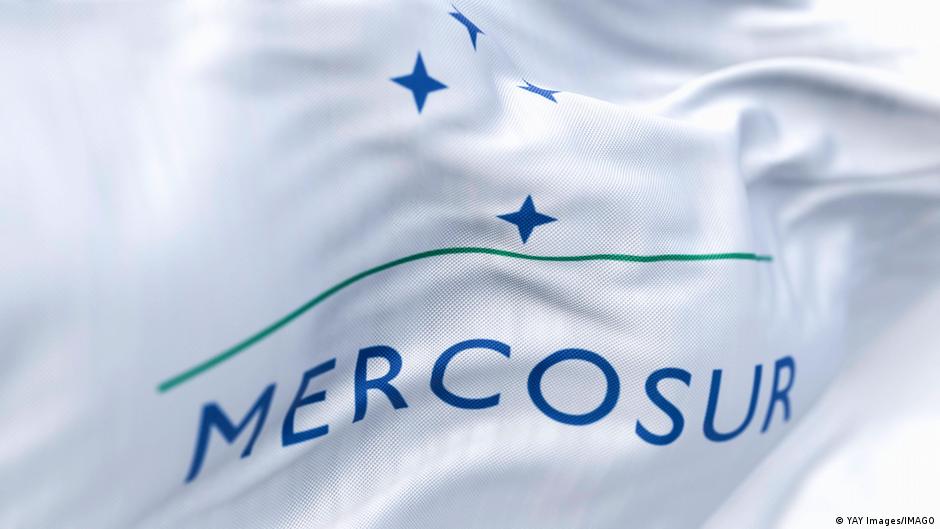
On May 1, the European Union and the South American trade bloc Mercosur officially commenced a free trade zone agreement on a provisional basis. This marks a significant milestone after more than 25 years of negotiations between the two parties, with the potential to reshape trade dynamics between Europe and Latin America.
Strategic Implications for European Industries
The agreement aims to eliminate tariffs and reduce trade barriers gradually, facilitating increased exchange of goods and services between the EU and Mercosur nations—Brazil, Argentina, Uruguay, and Paraguay. Germany's business community, in particular, views the pact as a catalyst for growth in key industrial sectors. The automotive, machinery manufacturing, and pharmaceutical industries are expected to benefit significantly from enhanced access to a market that comprises approximately 720 million people.
"With the agreement’s provisional entry into force on May 1, trade with South America gains substantial importance for German companies—although it has so far accounted for only about 1% of Germany’s total foreign trade turnover," stated the Federation of German Chambers of Commerce and Industry (DIHK).
According to a recent survey highlighted by DIHK, 44% of companies engaged in international markets anticipate tangible benefits from the new trade framework. Volker Treier, head of foreign trade at DIHK, emphasized, "This is a strong signal for business confidence and future growth prospects." The pact’s implementation could enhance supply chain integration, reduce production costs, and open new export opportunities for European firms.
Regulatory Hurdles and Environmental Concerns
Although the agreement is provisionally in effect, its full realization depends on ratification by the European Parliament and national parliaments within the EU. Some members of the European Parliament have expressed concerns regarding the agreement's compatibility with European law, particularly due to its broad scope, which encompasses trade, investment, and environmental standards.
Critics, notably from France and Austria, worry that the trade deal could undermine European environmental regulations and put European agriculture at a disadvantage due to the influx of cheaper South American products. Environmental organizations have also warned that the agreement may exacerbate deforestation in the Amazon rainforest, raising questions about sustainability and corporate responsibility.
In response to these concerns, the European Parliament has referred the agreement to the Court of Justice of the European Union for legal evaluation, a process expected to take several months. However, the European Commission has opted not to delay the activation of the trade mechanisms, having received authorization from the European Council following ratification by Uruguay and Argentina in January 2026.
Geopolitical and Corporate Strategy Dimensions
The EU-Mercosur agreement also holds geopolitical significance as it counters rising protectionist trade policies, notably those promoted by the former U.S. administration. For European executives, the deal represents both an opportunity and a strategic challenge: companies must navigate new market opportunities while addressing complex regulatory, environmental, and reputational risks.
As the agreement advances through legal and political channels, corporate boards will need to consider its implications carefully. Strategic investment decisions, supply chain adjustments, and compliance mechanisms will be critical to leverage the benefits of the new trade landscape effectively.