German DAX 40 CEOs’ Pay Surges 56% Amidst Stagnant Worker Wages, Oxfam Reports
Executive compensation in Germany’s top companies skyrockets while average employee wages remain below pre-pandemic levels, intensifying income disparity.
According to a recent analysis by the international charity coalition Oxfam, income inequality in Germany is widening sharply as CEO salaries at major corporations surge, while ordinary workers see little to no real wage growth.
Executive Pay Growth Outpaces Worker Wages by Wide Margin
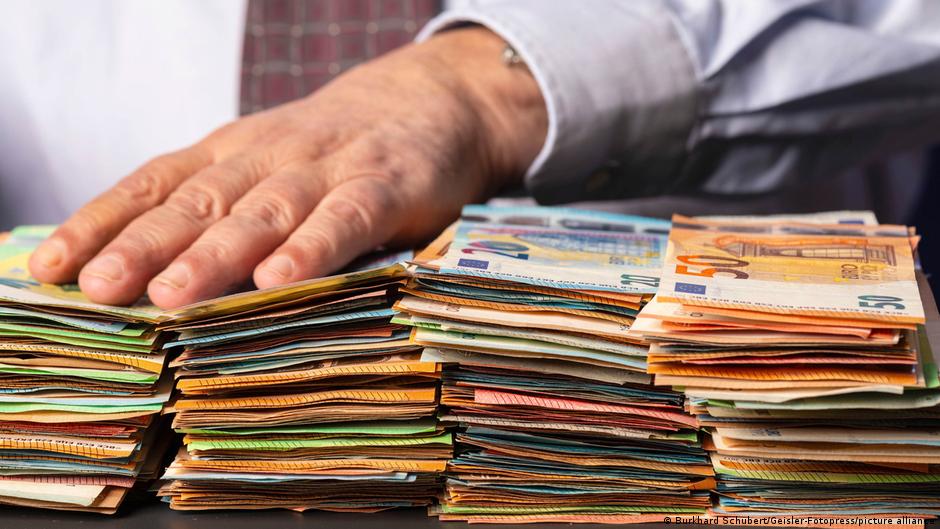
Data from Oxfam highlights that since 2019, the 25 chief executives of companies listed on Germany’s DAX 40 index have experienced an average salary increase of 56%. Their compensation rose from approximately €4.5 million to nearly €7 million annually. This rise comes amid a backdrop where wages for rank-and-file employees remain slightly below the levels recorded before the COVID-19 pandemic, even after adjusting for inflation.
Globally, CEO salaries have increased by 54% between 2019 and 2025 after accounting for inflation, jumping from an average of $5.5 million to $8.4 million. In stark contrast, the real wages of ordinary workers have decreased by 12% over the same period. The gulf is profound; the typical employee would need to work an estimated 490 years to earn what an average CEO makes in one year.
"This growing inequality poses a threat to our democracy," Oxfam warned, emphasizing the societal risks linked to such disparities in income and wealth.
In Germany specifically, the rising inflation has eroded purchasing power, placing heavy burdens on households trying to cover essential expenses such as energy, housing, and groceries. Meanwhile, top executives see their earnings climb rapidly, diverging sharply from the financial realities of everyday workers.
Oxfam’s report also sheds light on Germany’s wealthiest, noting that nearly 1,000 billionaires analyzed collectively received $79 billion in dividends in 2025. The organization further highlights that billionaires often benefit from lower effective tax rates compared to average company employees.
Recommendations for Addressing Income Inequality
To curb escalating social inequality, Oxfam advocates for Berlin to pursue more progressive taxation targeting the ultra-wealthy, both nationally and on the global stage. Additionally, the group supports implementing a minimum wage of at least €15 per hour to help improve earnings for lower-income workers.
These recommendations align with broader concerns about economic stability and social cohesion amid inflationary pressures and geopolitical tensions impacting Germany’s economy.
For instance, earlier this year, the Munich-based ifo Institute forecasted that escalating conflicts in the Middle East, particularly the conflict involving the US and Israel against Iran, could reduce Germany’s economic growth by at least 0.2 percentage points. The regional instability has contributed to rising oil and gas prices and disrupted supply chains, including forcing German shipping firms to reroute around the Persian Gulf, which increases transportation costs and delays.
Such global uncertainties compound the challenges facing German businesses and workers alike, underscoring the need for strategic corporate and governmental responses to income disparity and economic risks.