Drone Attack Tests St. Petersburg’s Oil, Data and Transport Defenses
Strikes on an oil terminal and a VK data center expose operational risks across Russia’s interconnected civilian infrastructure.
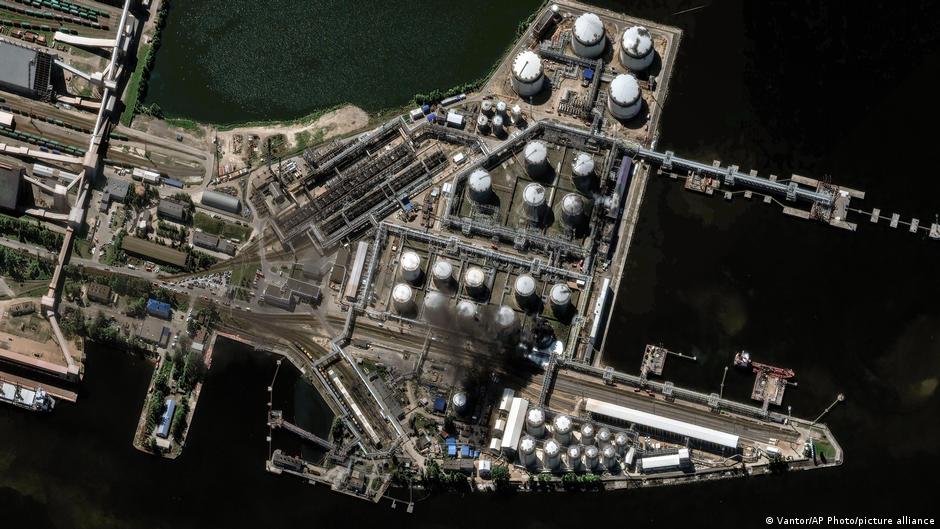
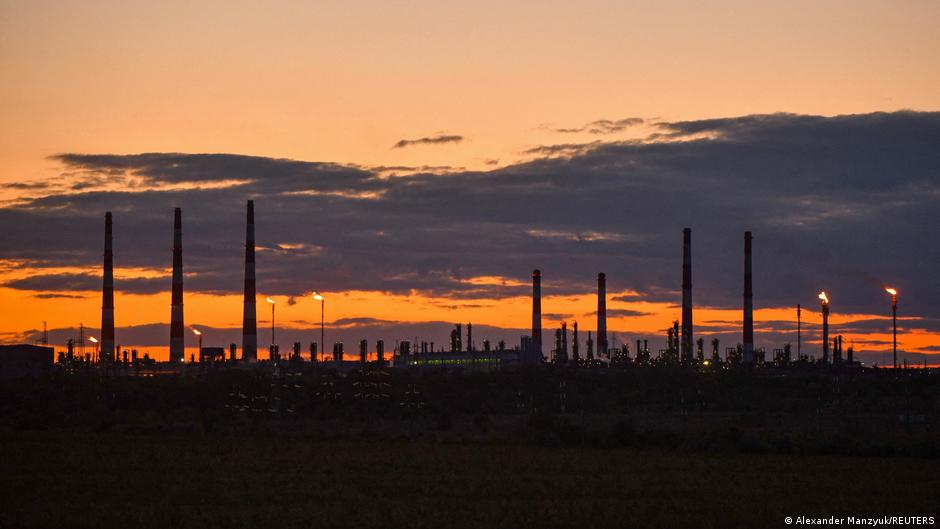
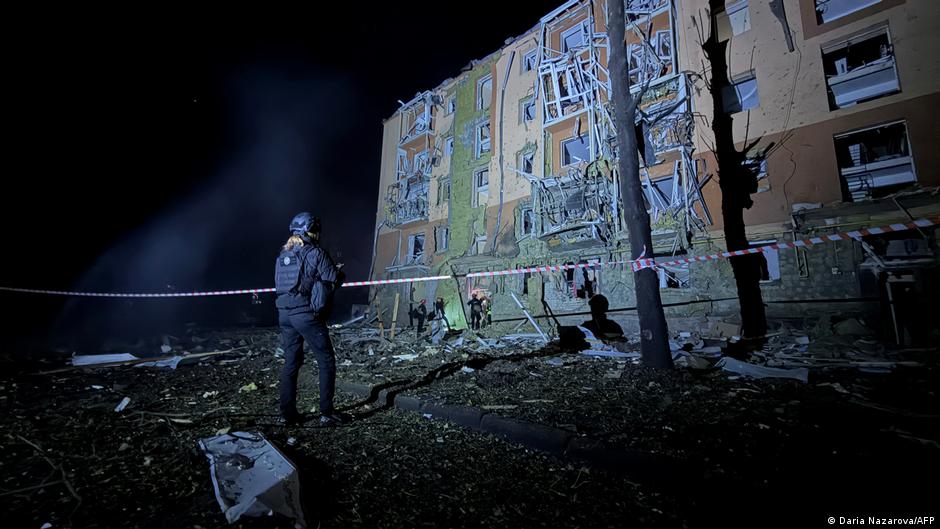
A large-scale overnight drone attack on St. Petersburg and the surrounding Leningrad region struck an oil terminal and a data center operated by Russian technology company VK, while local residents reported power disruptions and authorities restricted operations at Pulkovo Airport.
The attack, which occurred overnight into Sunday, October 18, created simultaneous pressures across energy, technology, transportation and public infrastructure. For corporate executives and boards, the episode highlights the growing operational challenge posed by attacks that can affect several critical business systems within a single metropolitan area.
St. Petersburg Governor Alexander Beglov said early Sunday that emergency crews were extinguishing fires at civilian infrastructure sites in the city’s Nevsky, Krasnoselsky, Krasnogvardeysky and Moskovsky districts, as well as at the St. Petersburg Oil Terminal. He said there were no casualties.
“For security reasons, operations at Pulkovo Airport have been restricted. There are no casualties. Mobile internet disruptions are possible,” Beglov wrote on Telegram.
The reported fire at the oil terminal places the incident squarely within the risk calculations of energy companies, logistics providers and insurers. Even without immediate information about the extent of the damage or any disruption to fuel flows, an attack on terminal property can require executives to assess physical security, business continuity, supply commitments and the resilience of nearby transport links.
VK says services remain available
VK representatives confirmed that a drone attack had targeted the company’s data center in the Leningrad region. The technology group owns, among other businesses, the VKontakte social network and the Max messaging service.
The company said its services remained available to users under normal operating conditions. However, the monitoring websites Sboy.rf and Detector404.ru recorded a surge in complaints about VKontakte’s performance. The difference between the company’s broad availability statement and the increase in user reports illustrates a familiar issue for technology executives: a platform may remain online while some customers experience localized or intermittent degradation.
For VK’s management, the immediate priorities are likely to include maintaining redundancy, verifying the integrity of systems and communicating clearly with users and corporate partners. The incident may also prompt scrutiny of whether data-center capacity is sufficiently distributed and whether backup power and network routes can withstand wider regional disruptions. The source provided no details about physical damage to the facility or the specific systems affected.
Leningrad region Governor Alexander Drozdenko said 126 drones had been shot down over the region. According to his account, debris fell on an apartment building in Vsevolozhsk, a private home near Kirovsk and four vehicles in the village of Nizino.
Drozdenko also reported brief electricity interruptions caused by debris falling on power lines. Readers of the St. Petersburg online publication Fontanka separately described electricity problems in several parts of the city, including the Kalininsky and Krasnogvardeysky districts and the Ruchyi area.
Those reports raise broader continuity questions for businesses that depend on the same power, telecommunications and transportation networks. Short outages can still interrupt payment systems, warehouse operations, cloud connectivity and employee access, particularly when mobile internet service is also unstable.
Unconfirmed bridge strike adds logistics uncertainty
Telegram channels Dnipro Osint, Astra and Varlamov News reported that one drone strike hit the cable-stayed bridge across the Korabelny Fairway. The bridge forms part of the Western High-Speed Diameter, a toll highway that is an important road corridor in St. Petersburg.
Authorities had not confirmed an attack on the bridge. Fontanka reported, however, that the Western High-Speed Diameter was closed between the Ekateringofka River and the Shkipersky Channel. The Korabelny Fairway bridge is located within that closed section.
The closure introduces another potential business consequence even in the absence of confirmed structural damage. Restrictions on a major toll route can delay freight, lengthen employee commutes and complicate access between industrial districts, port facilities and other parts of the city. Companies operating in the area may need to activate alternate-routing plans while authorities inspect infrastructure and determine when normal traffic can resume.
The combined effects underscore how a single night of attacks can force decisions across multiple corporate functions. Energy operators must examine site safety and throughput; technology companies must protect service availability and data-center redundancy; airlines and airport businesses must respond to airspace restrictions; and logistics companies must navigate road closures and localized power failures.
No casualties were reported by city authorities, and VK said its services continued to operate normally. Still, the simultaneous incidents are likely to intensify boardroom attention to infrastructure concentration, emergency communications and the financial cost of maintaining backup capacity. The duration of the oil-terminal fire, the condition of the data center and the reason for the highway closure remained unclear in the initial reports.