House Republicans Split Over Trump Plan to Buy Russian Diesel Fuel
A bipartisan bill expected in Congress would seek to ban Russian oil purchases after Trump described talks with Putin as very successful.
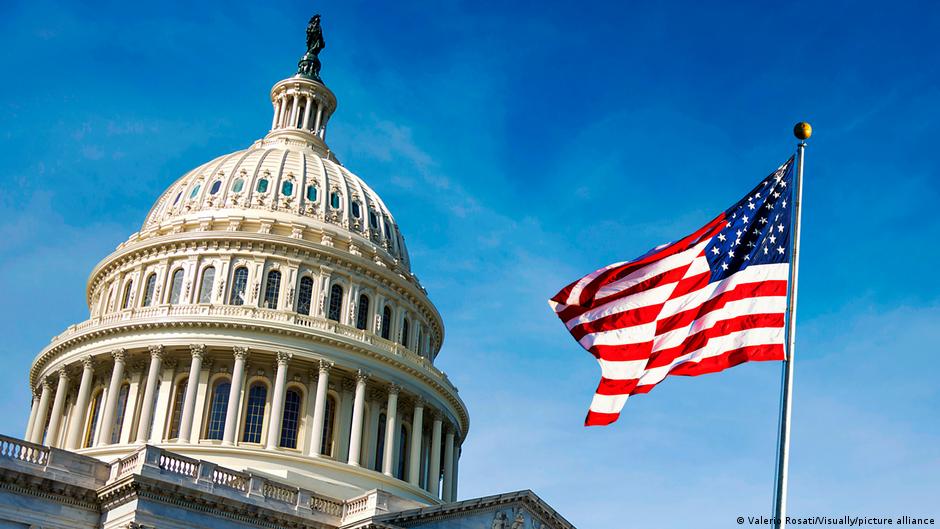
A bipartisan bill expected to be introduced in the U.S. Congress would seek to bar purchases of Russian oil, setting up a direct challenge to President Donald Trump’s newly announced understanding with Russian President Vladimir Putin on diesel fuel supplies. For American companies, energy traders and boardrooms exposed to fuel costs, sanctions risk or geopolitical compliance, the proposal signals a fresh round of uncertainty around Russian energy flows.
Rep. Brian Fitzpatrick, a Pennsylvania Republican, said Saturday, October 10, on X that lawmakers would bring forward legislation aimed at “banning any purchases of Russian oil.” According to Fitzpatrick, the measure will be called the Ronald Reagan Peace Through Strength Act, language designed to place the initiative inside a Republican foreign-policy tradition that favors economic pressure backed by strategic resolve.
The bill is not being framed only as a sanctions measure. Its planned route through the House suggests a test of congressional power, party discipline and the willingness of rank-and-file lawmakers to bypass leadership if a committee or the speaker blocks consideration. Fitzpatrick said the bill would be brought to the House floor through a discharge petition, a parliamentary procedure that allows members to force a vote by the full chamber.
“It will pass by an overwhelming majority,” Fitzpatrick said, according to the Russian-language source article.
A procedural fight with strategic consequences
A discharge petition is a high bar. It requires signatures from at least 218 lawmakers, an absolute majority of the House. In practice, that means supporters would need to assemble a coalition broad enough to overcome not only policy disagreements but also the institutional reluctance of members to circumvent party leaders. If successful, the move would put every lawmaker on record on whether the United States should continue or prohibit purchases of Russian oil after Trump’s talks with Putin.
For executives, the mechanism matters because it points to more than a symbolic resolution. A bill forced to the floor through a discharge petition can reveal whether Congress is prepared to legislate against the White House’s energy posture. That could affect procurement strategies, compliance planning and risk models for firms that buy, transport, insure or finance energy products. Even before passage, the possibility of a legislative ban may prompt companies to reassess exposure to Russian-origin oil and petroleum products.
The emerging bill also exposes a Republican divide. Rep. Don Bacon, a Nebraska Republican, has already said he will support the measure. He also criticized Trump’s decision to purchase diesel fuel from Russia. Bacon’s position is notable because it places a Republican member openly against a president from his own party on an issue that combines energy supply, Russia policy and the cost of fuel.
The dispute follows Trump’s statement on October 9 that he had held “very successful” talks with Putin. According to the article, Trump said the discussions produced an agreement on supplies of Russian diesel to the United States and the global market. The announcement immediately put the administration’s energy approach into collision with lawmakers who see Russian oil purchases as incompatible with a tougher posture toward Moscow.
Energy policy becomes a boardroom risk
Putin officially confirmed the phone conversation with Trump and the understandings reached in it. In the Russian president’s statement, Moscow said it was prepared to supply oil and petroleum products to the American and global markets. Putin also said he was confident such supplies would have a positive effect on the global economy.
That economic argument is likely to be central to the business debate. Diesel is a critical input across freight, agriculture, construction, manufacturing and distribution. Any change in access to supplies can affect transportation costs and margins across supply chains. At the same time, Russian-origin fuel carries political and regulatory risk that many corporate boards cannot treat as a routine sourcing question.
Fitzpatrick’s proposed bill, if introduced as described, would sharpen that trade-off. The White House position, as presented in the source article, points toward reopening or expanding Russian fuel supply channels in the name of broader economic benefit. The congressional response points in the opposite direction: eliminating purchases of Russian oil even if that reduces optionality for buyers in global fuel markets.
For public companies, the practical implications would extend beyond the price of diesel. Legal departments would need to monitor whether the bill advances, compliance officers would need to track definitions of Russian oil and covered petroleum products, and finance teams would need to evaluate whether contracts contain termination or substitution rights. Boards overseeing multinational operations would also need to consider reputational exposure if congressional sentiment moves decisively against Russian energy purchases.
The naming of the bill after Ronald Reagan is also a strategic signal to Republican donors, defense hawks and foreign-policy conservatives. By invoking “peace through strength,” Fitzpatrick is positioning the measure as consistent with a hard-line national security doctrine rather than as a departure from Republican priorities. That framing may make it easier for Republican lawmakers to support the measure while distancing themselves from Trump’s diesel arrangement with Putin.
Still, the outcome is not guaranteed. A discharge petition requires a majority threshold before the House can be forced to act, and the article does not say that supporters already have the required 218 signatures. Nor does it specify the bill’s full text, enforcement provisions or treatment of existing contracts. Those details will determine how disruptive the measure could be for companies and energy markets.
What is clear is that Trump’s talks with Putin have created a new policy fault line in Washington. One side is presenting Russian diesel supplies as a potential support for the global economy. The other is moving to prohibit Russian oil purchases altogether. For corporate leaders, the immediate lesson is that Russian energy exposure remains a live political risk, not merely a commodity-market question.