Russian-Flag Fleet Expands 36% as Sanctions Pressure Rewrites Shipping Risk
A CREA analysis says sanctioned tankers and gas carriers are moving into Russia’s registry as open registries tighten oversight of shadow-fleet activity.
Russia’s maritime registry has expanded sharply as sanctions pressure forces owners and operators of so-called shadow-fleet vessels into a narrowing set of choices: accept higher detention risk, operate under questionable flags, or move under the Russian flag. For corporate decision-makers in energy, shipping, insurance and trade finance, the shift is more than a technical matter of registration. It is a sign that compliance pressure is changing the operating model for vessels moving Russian oil and liquefied natural gas around the world.
From January 2025 through June 2026, the registry of vessels sailing under the Russian flag grew by 36%, according to an analysis by the Centre for Research on Energy and Clean Air, or CREA, published Friday, September 25. Over that period, 107 vessels were added to the list. The largest monthly increase came in December 2025, when 25 new entries were recorded.
The figures point to a strategic response by a shipping network under increasing diplomatic and regulatory pressure. Open registries that previously allowed sanctioned cargoes to be transported on shadow-fleet vessels are changing course, CREA said. That shift has created a boardroom-level problem for companies exposed to seaborne Russian energy flows: the flag a vessel flies is becoming a clearer indicator of sanctions risk, reputational exposure and operational uncertainty.
Open Registries Tighten the Net
CREA said Barbados and Palau have fully cleared their registries of vessels subject to sanctions. Panama has reduced the number of such ships by almost two-thirds compared with its peak in May 2025. The world’s largest ship registries have also launched a shared database, RISC, intended to combat reflagging and other methods used to bypass restrictions.
Those moves have narrowed the room for maneuver. According to CREA, the shadow fleet is now effectively being pushed toward two options: sailing under false flags, with the accompanying risk of detention, or entering the Russian ship registry. By June, 46 vessels that had previously sailed under the flags of the Comoros or Gambia were registered in Russia.
Other vessels moved to the flags of Sierra Leone and Equatorial Guinea, while some continued operating without a recognized flag. For executives managing exposure to these routes, the pattern suggests that vessel-screening processes based only on ownership, cargo or destination may no longer be sufficient. Registry history, flag changes and prior sanctions exposure are increasingly material to risk assessment.
The scale of sanctions exposure among the newly Russian-flagged ships is significant. CREA found that 93 of the 107 vessels added to the Russian registry had previously been sanctioned, while 90 were under restrictions from more than one jurisdiction. Vessels that had transported Russian oil before the first sanctions were imposed changed flags three times more often than before. Sixteen of them had also transported Iranian or Venezuelan oil.
Commercial Flows Continue
The shift into the Russian registry did not halt commercial activity. After reflagging to Russia, the vessels continued carrying Russian fuel globally. Oil worth 5.2 billion euros moved primarily to China, according to the analysis. Ship-to-ship transfer schemes were also used in Egypt and the Red Sea.
That continuity is central to the business implications of the findings. The registry shift appears less like a retreat from sanctioned trade than an adaptation to a tougher compliance environment. The operational network remains active, but it is being reorganized around flag states and routes where enforcement pressure may be harder to apply or more politically complex.
For energy buyers, commodity traders, port operators and financial institutions, this creates a difficult split-screen reality. Cargoes may continue to move, but each voyage can carry heightened legal, insurance, safety and reputational risks. The presence of vessels under multiple sanctions regimes also complicates due diligence for companies several steps removed from the cargo owner, including service providers, intermediaries and counterparties in logistics chains.
A Safety Incident Becomes a Governance Warning
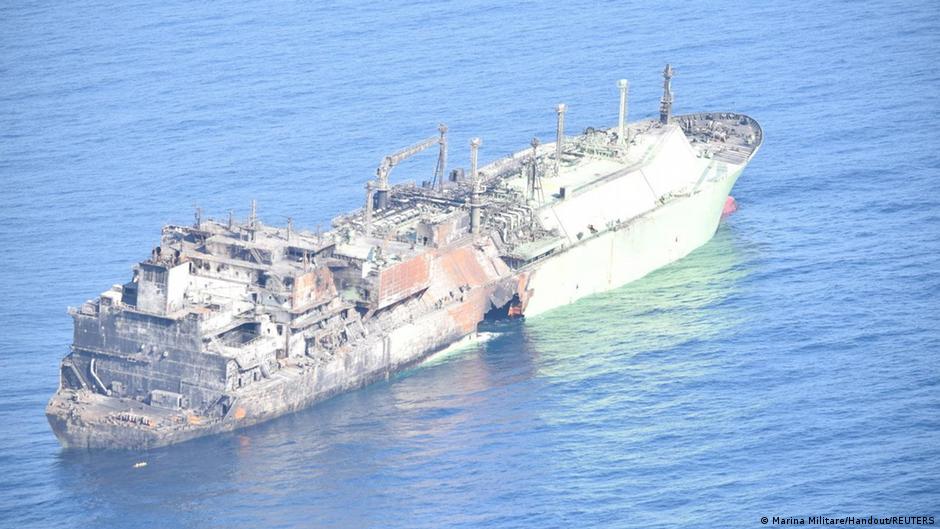
The risks are not limited to sanctions compliance. In March, the Russian liquefied natural gas carrier Arctic Metagaz caught fire in the Mediterranean Sea. Libya, Malta and Italy were forced to deal with the crisis on their own, according to the source article.
“The Arctic Metagaz incident showed the Russian flag for what it really is: a shield for dangerous vessels, providing no support in the event of a disaster and leaving coastal states to manage risks and consequences,” analyst Luke Wickenden said.
The Arctic Metagaz is one of roughly ten gas carriers used to transport sanctioned LNG from Russia’s Arctic LNG 2 terminal to the port of Beihai on China’s southern coast. In February 2026, the vessel left the port of Murmansk after loading and was likely heading toward the Egyptian port of Suez, gCaptain indicated. Since 2024, the ship has been under U.S. and U.K. sanctions.
For corporate boards, the incident highlights the governance problem created when high-risk vessels remain commercially active but move outside the oversight systems that major registries, insurers and port states rely on. A flag can provide legal identity, but it does not necessarily guarantee crisis response capacity, technical assurance or meaningful accountability when something goes wrong.
The CREA analysis suggests that diplomatic pressure is working in one sense: it has made open registries less hospitable to sanctioned shadow-fleet vessels. But it has also concentrated more of that activity inside Russia’s own registry or pushed it toward smaller flags and unrecognized status. That may reduce ambiguity for compliance teams, but it does not eliminate the underlying trade. Instead, it moves risk into a more visible and potentially more hazardous form.
For American business readers, the lesson is straightforward. The sanctions contest over Russian energy exports is no longer just a matter of government lists and enforcement notices. It is reshaping maritime corporate strategy, influencing registry choices, and testing how much risk counterparties are willing to tolerate in pursuit of sanctioned or restricted energy flows. In that environment, flag history has become a strategic signal.