US Military Strikes Iran Again After IRGC Attacks Civilian Ship in Strait of Hormuz
US forces launch a third wave of strikes on Iran following IRGC attack on container ship, closing the strategically vital Strait of Hormuz.
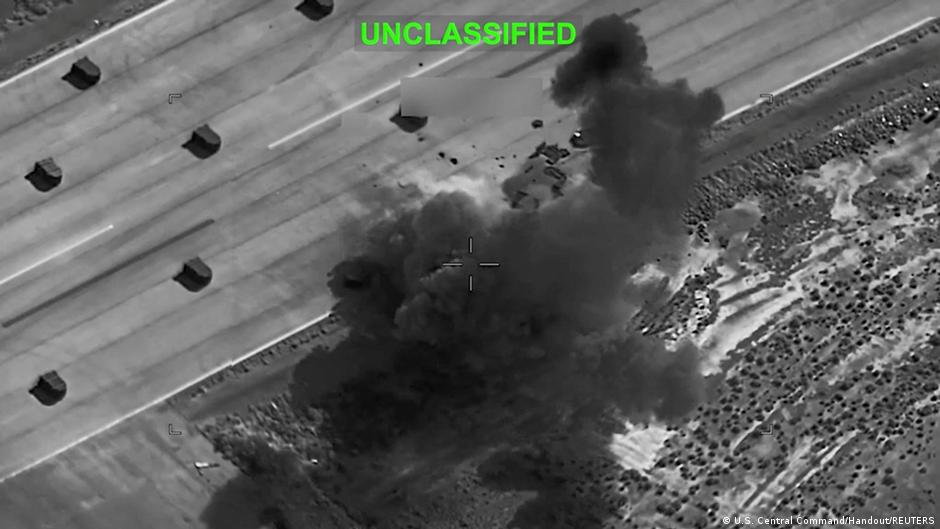
In a significant escalation of tensions in the Gulf region, the United States military initiated a third round of strikes against Iran overnight on July 12. The action was a direct response to an attack by Iran's Islamic Revolutionary Guard Corps (IRGC) on a civilian container ship, the GFS Galaxy, transiting the Strait of Hormuz under the Cypriot flag. The strategically critical waterway, essential for global oil exports, has again been closed.
Impact on Regional Security and Trade
The US Central Command (CENTCOM) confirmed the strikes via social media, highlighting their intent to degrade Iran’s ability to threaten commercial shipping. Iranian state media reported active air defense operations in Tehran and explosions in several southern port cities, including Sirik, Konarak, Chabahar, Jask, and Bandar Abbas.
The GFS Galaxy suffered serious damage to its engine room and caught fire, rendering it unable to continue its journey. One crew member remains missing following the attack. CENTCOM emphasized that Iran had been given multiple opportunities to comply with a Memorandum of Understanding aimed at safeguarding maritime traffic, but had failed to do so.
"Iran was given another chance to demonstrate compliance with the Memorandum of Understanding after being held accountable for previous attacks on commercial vessels, but it failed again," CENTCOM stated. "The United States is imposing significant damage on Iran to weaken its ability to attack civilian mariners and commercial ships freely passing through the strait."
US Secretary of Defense Pete Hegseth succinctly framed the situation: "Iran made the wrong choice. Now they are paying for it."
In a counterstatement, the IRGC claimed that the vessel was fired upon only after it deviated from Iran’s approved navigation route and disabled its systems. The IRGC described the incident as a "warning shot" against a ship that endangered maritime security. They further declared the Strait of Hormuz would remain closed until US military interventions in the region cease, threatening further attacks on US bases in the Middle East if strikes continue.
Before the conflict, approximately 20% of the world’s oil trade passed through the Strait of Hormuz, underscoring the global economic stakes involved.
Background and Strategic Implications
On June 17, the US and Iran had signed a framework agreement intended to halt hostilities and reopen this critical maritime corridor. However, just over a week later, on June 25, the IRGC attacked a civilian tanker in the Strait with a kamikaze drone, prompting US retaliatory strikes the following day targeting Iranian military assets such as radar installations and weapons storage facilities.
Since then, the cycle of attacks and counterattacks has continued, with spillover effects impacting neighboring Bahrain and Kuwait. The US has maintained that its strikes target military infrastructure linked to Iran’s offensive capabilities.
US President Donald Trump announced at the NATO summit in Ankara on July 8 that the memorandum with Iran was effectively void, labeling Iranian leaders as "evil, sick people" and dismissing direct negotiations as a waste of time. He nonetheless allowed US negotiators to continue talks if desired, while reinstating stringent oil sanctions on Iran.
Meanwhile, reports from closed-door discussions between US and Iranian officials on July 11 indicate Tehran attributed the recent attacks on shipping to "uncontrollable elements within the system," signaling a possible internal rift and a willingness to reengage diplomatically. A Washington source told Reuters, "They said to us: ‘We failed. We made a mistake. Let’s talk.’"
This volatile dynamic exposes the fragile nature of executive-level decisions affecting corporate and global supply chains in the energy sector. The reopening or prolonged closure of the Strait of Hormuz carries profound implications for oil markets, shipping logistics, and international business operations that rely on stable maritime trade routes.
In the boardrooms of multinational energy corporations and shipping firms, heightened geopolitical risks demand strategic reassessments of supply chain vulnerabilities, risk mitigation strategies, and contingency planning for potential disruptions.