US Military Strikes Iran to Protect Shipping in Strait of Hormuz Amid Rising Tensions
Washington targets Iranian military infrastructure to deter attacks on civilian vessels and maintain global oil trade routes.
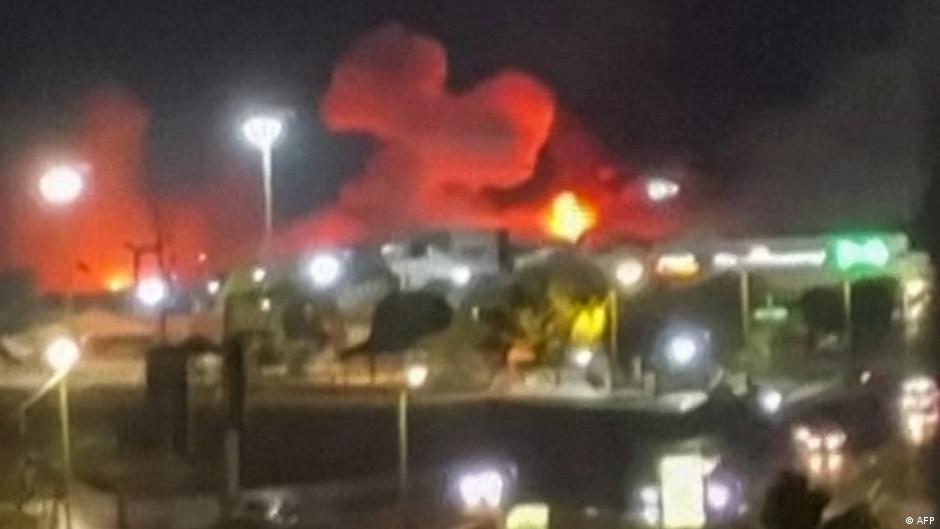
The United States has launched a new series of military strikes against Iranian targets aimed at undermining Tehran's ability to threaten civilian and commercial shipping in the Strait of Hormuz, a critical chokepoint for global oil commerce. This escalation comes amid ongoing tit-for-tat attacks and heightened geopolitical tensions in the Gulf region.
Strategic Implications for Global Trade and US Policy
On the night of July 13, the US Central Command (CENTCOM) announced it conducted strikes against approximately 140 Iranian military sites, including missile storage facilities, drone depots, and communication hubs. These strikes were ordered by the US Commander-in-Chief in an effort to restrain what Washington calls "the Iranian regime's" aggressive posture against civilian maritime traffic transiting the Strait of Hormuz.
"The Strait of Hormuz remains open and navigable despite Iranian claims, and US forces are committed to securing safe passage for commercial shipping," a CENTCOM spokesperson said.
Iranian state media reported explosions near the port of Bandar Abbas, the city of Sirik, the island of Qeshm, and the coastal city of Jask, areas adjacent to the strait. Iranian media confirmed casualties, including one fatality and two injuries on Qeshm Island. The Iranian Revolutionary Guard Corps (IRGC) declared the Strait of Hormuz closed "until further notice," threatening a critical artery through which roughly 20 percent of the world's oil trade passes.
However, US military officials denied Iran's claim of closure, emphasizing the continuation of international shipping traffic. This conflicting narrative underscores the strategic stakes involved for both Iran and global energy markets. Disruptions in the strait could send shockwaves through oil prices and international supply chains, affecting business operations worldwide.
Earlier, on July 12, US forces responded to an IRGC attack on the container ship GFS Galaxy in the Strait of Hormuz by targeting Iranian military infrastructure. Iran characterized its actions against the vessel as "warning shots" over alleged deviations from Tehran-approved navigation routes.
The retaliatory strikes have intensified instability, prompting Iran to launch missile attacks on US military bases in Qatar and ports in Oman, which it claims support American carrier groups. Additionally, Tehran reported disabling a second commercial vessel in the strait shortly after.
Boardroom Considerations and Executive Responses
For American and multinational companies reliant on the uninterrupted flow of oil and goods through the Strait of Hormuz, these developments present significant risks. Rising military confrontations could lead to supply chain disruptions, increased shipping insurance premiums, and spikes in energy costs, all of which would impact corporate earnings and strategic planning.
Executives in sectors such as oil and gas, shipping, and global manufacturing must monitor these geopolitical shifts closely. The US government’s renewed sanctions on Iran and the apparent breakdown of the June 17 de-escalation framework complicate the regional security environment, potentially prolonging volatility.
Industry leaders may need to reassess exposure to Middle Eastern supply routes and consider contingency measures such as diversification of supply chains and increased security protocols.
Despite President Donald Trump’s public denunciation of negotiations with Iranian leadership and his labeling of them as "evil, sick people," some diplomatic channels remain open. Recent closed-door talks between US and Iranian officials reflected internal Iranian admissions of miscalculations and a cautious willingness to continue dialogue. However, no breakthroughs have been reported, keeping the prospects for a diplomatic resolution uncertain.
In this landscape, business executives must balance geopolitical risk with operational needs, engaging with government agencies and risk consultants to safeguard corporate interests amidst ongoing volatility in the Gulf region.