US Administration Prepares to Allow Saudi Uranium Enrichment Amid Nuclear Energy Deal
Trump administration signals readiness to permit Saudi Arabia uranium enrichment without strict IAEA safeguards, raising strategic and geopolitical concerns.
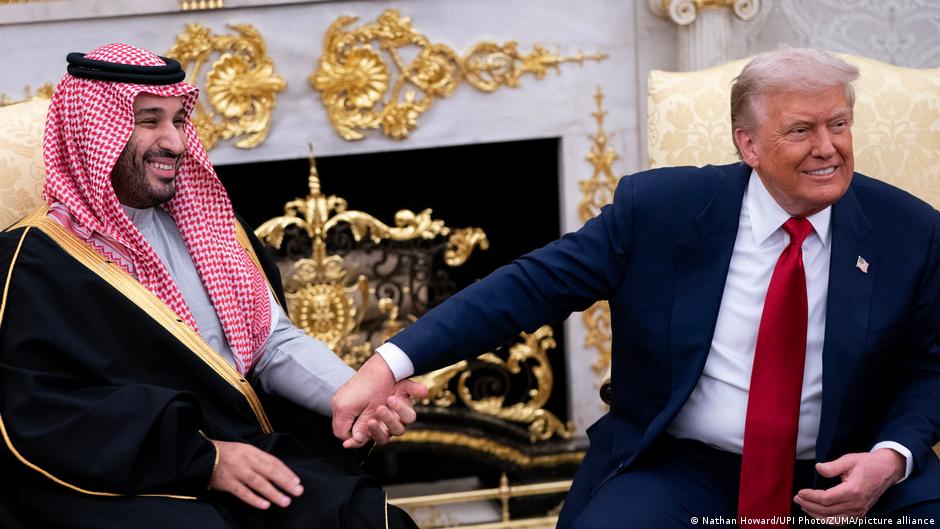
The Trump administration has reportedly agreed in principle to allow Saudi Arabia to enrich uranium without the stringent guarantees typically mandated by the International Atomic Energy Agency (IAEA), according to multiple sources familiar with the negotiations. This move, reported by CNN, could pave the way for Riyadh to develop nuclear weapons capabilities under the guise of civilian nuclear energy cooperation.
Strategic Implications of the US-Saudi Nuclear Agreement
The proposed bilateral agreement between Washington and Riyadh is designed to support the development of Saudi Arabia's civilian nuclear energy program. However, it notably lacks provisions requiring Saudi Arabia to adhere to the IAEA's Additional Protocol. This protocol extends the agency's inspection authority to include undeclared nuclear sites and materials, a critical measure for preventing nuclear weapon proliferation.
"The absence of the Additional Protocol obligations potentially opens the door for Saudi Arabia to pursue nuclear weapons capabilities under civilian nuclear cooperation," noted energy and security analysts consulted by CNN.
Saudi Crown Prince Mohammed bin Salman has previously indicated that Riyadh would seek nuclear weapons if Iran were to develop them, underscoring the regional security concerns inherent in this agreement. This development comes amid escalating tensions between the United States, Israel, and Iran, which have impacted the pace of diplomatic engagements.
Although negotiations on the nuclear cooperation framework were reportedly concluded by autumn 2025, the formal agreement remains unsigned by President Donald Trump. Sources suggest that the ongoing US-Israel-Iran conflict has contributed significantly to the delay, reflecting the complex geopolitical calculus underpinning the deal.
From a corporate and executive perspective, the decision to relax uranium enrichment safeguards may influence various sectors, including nuclear technology providers and defense contractors. It also raises questions about the strategic risk assessments made by US policymakers and the potential repercussions for US-Saudi business relations and regional stability.
In summary, the Trump administration's tentative approval of less restrictive nuclear safeguards for Saudi Arabia marks a pivotal moment in US foreign policy and nuclear non-proliferation strategy, with broad implications for international security and business interests tied to the nuclear sector.