Russian Drone and Missile Strikes on Ukraine Drop in June Amid Strategic Uncertainty
June saw a notable reduction in Russian air attacks on Ukraine, raising questions about Russia's military strategy and production capabilities.
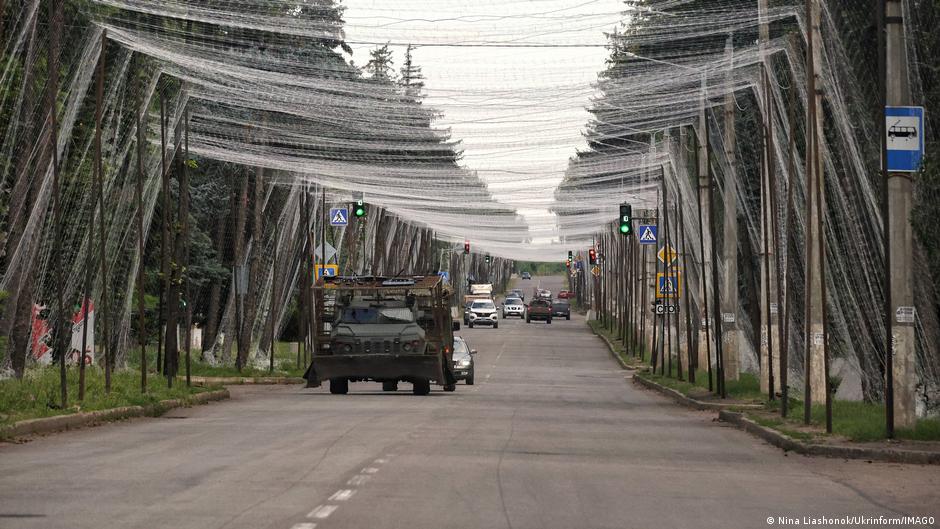
In June 2024, Russian forces launched significantly fewer drone and missile attacks on Ukraine compared to May, marking a 29% decrease in drone strikes and a 15% decline in missile launches, according to data analyzed by the Ukrainian Air Force and reported by AFP. However, experts caution that this drop may be temporary and does not necessarily indicate a shift in Russia's military strategy.
Analyzing the Decline in Russian Air Attacks
The figures show that Russia deployed 5,749 drones and 180 missiles in attacks on Ukrainian territory in June, down from 8,150 drones and 211 missiles in May. The previous month, May 2024, represented a record high for drone strikes since the full-scale invasion began in February 2022.
Despite these lower numbers in June, Ukrainian and international defense analysts suggest that the decrease could be a temporary operational pause rather than a strategic pivot. Some speculate that Russia may be conserving resources or preparing stockpiles ahead of expected intensified operations during the autumn months.
"It is premature to interpret this as a new trend," commented military analysts engaged in the assessment of Eastern European conflict dynamics. They also point out that Moscow’s tactical approach remains consistent, and renewed drone offensives should be anticipated.
"If the reduction marks the start of a trend, it could signal strains in Russia’s defense manufacturing or supply chain disruptions affecting drone imports from Iran, exacerbated by geopolitical tensions with the U.S. and Israel."
Production and supply challenges, particularly regarding Iranian Shahed drones, have been noted amid escalating diplomatic conflicts involving Russia, Iran, the United States, and Israel. These factors could be influencing Russia’s ability to sustain previous attack volumes.
Ukrainian Counterattacks and Strategic Implications
In response, Ukraine intensified its own strikes against Russian infrastructure in June. The Ukrainian military primarily targeted Russian oil refining facilities, including refineries, fuel depots, and ports, contributing to a significant shortage of fuel within Russia. Additionally, defense industry sites, such as the Voronezh Semiconductor Device Plant — known for producing electronic components for Iskander missile systems — were hit.
These counterattacks suggest a strategic Ukrainian focus on degrading Russian military-industrial capacity and supply chains. The broader implication for corporate and governmental decision-makers is the increasing strain on Russia’s defense production and logistics, which could affect the longevity and intensity of ongoing operations.
For executives and analysts monitoring defense industry dynamics, the evolving situation underscores the critical importance of supply chain resilience, geopolitical risk assessment, and the potential for disruptions in military hardware availability. Keeping abreast of these developments is essential for anticipating shifts in conflict trajectories and their broader economic and political impacts.