Iran’s Revolutionary Guards Attack and Capture Greek-Owned Oil Tanker Near Strait of Hormuz
Iran’s IRGC asserts control over Strait of Hormuz shipping routes amid escalating US-Iran tensions, impacting global oil transport and corporate maritime operations.
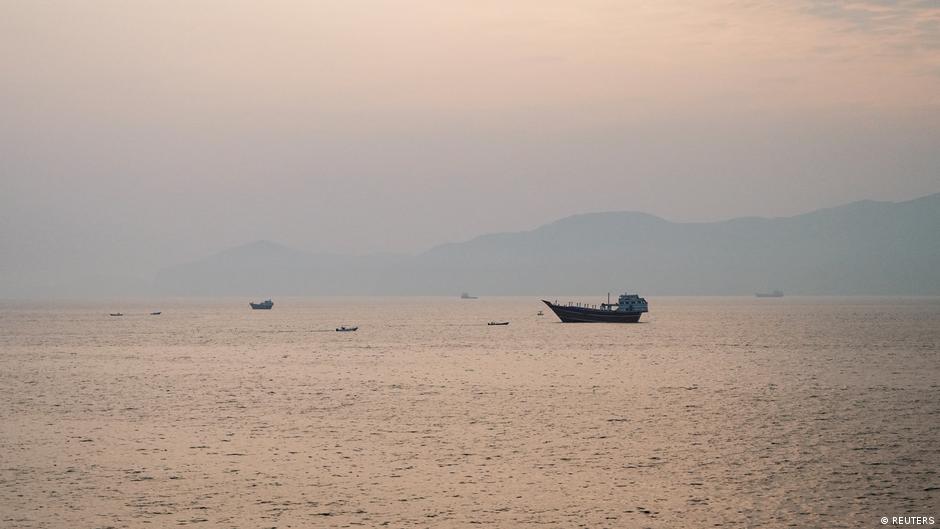
The Islamic Revolutionary Guard Corps (IRGC) of Iran has confirmed a targeted attack on an oil tanker attempting to traverse the Strait of Hormuz without Tehran’s authorization. This latest escalation signals Tehran’s intent to exert stricter control over one of the world’s most strategically critical maritime chokepoints, directly influencing international shipping operations and energy supply chains.
Strategic Context and Operational Details
According to an official announcement on July 23, the IRGC claimed responsibility for laying mines along a shipping route south of the Strait of Hormuz. Three oil tankers, described as operating “under the influence of the US military,” attempted to cross this mined area. One tanker was severely damaged by an explosion, resulting in a large fire. The two other vessels turned back after the incident.
The IRGC has pledged to maintain its blockade of the strait as long as it perceives “aggressive actions” by the United States in the region. Any ship attempting passage without prior approval from Iran will face similar consequences, underscoring Tehran’s resolve to control maritime traffic through this vital corridor.
“The IRGC will continue to blockade the Strait of Hormuz until US provocations cease, targeting any vessel transiting without Iranian consent,” the statement read.
Corporate Impact: Kavomaleas Tanker Seizure
In parallel, the Financial Times reported that the Greek-owned tanker Kavomaleas, linked to prominent shipping magnate Georgios Prokopiou, was towed into Iranian territorial waters after sustaining rocket attacks on July 19. Satellite imagery from the European Space Agency confirmed the vessel’s presence near Iran’s Larak Island, visibly emitting smoke from its engine room.
The Kavomaleas had departed from Oman and was headed toward the Persian Gulf with a cargo of over 500,000 barrels of oil. The attack disabled the vessel, forcing the crew to evacuate. Analysts believe the Iranian military has effectively seized control of the tanker. Satellite images show an oil trail trailing behind the damaged ship.
The shipowner, Dynacom, has publicly stated it did not authorize any movement of the vessel and is currently investigating its whereabouts. This incident marks only the third confirmed case of Iranian seizure of foreign vessels since the onset of heightened hostilities between the US, Israel, and Iran.
Boardroom and Strategic Implications
The IRGC’s actions represent a significant escalation in Iran’s naval strategy, with direct consequences for global oil markets and the security protocols of shipping companies operating in the region. For executives overseeing maritime logistics and energy transportation, the risks of navigating the Strait of Hormuz now include not only geopolitical volatility but an explicit threat of Iranian military engagement.
Shipping companies must reevaluate route planning, insurance coverage, and crisis management strategies. Furthermore, energy corporations dependent on Gulf oil exports face increased uncertainty over supply chain continuity. The Kavomaleas incident highlights how geopolitical tensions translate into tangible operational disruptions, demanding heightened coordination between corporate leadership, insurers, and international regulatory bodies.
As Iran enforces its demands for control over the strait, companies will need to weigh the costs of compliance, potential losses from seizure or damage, and the broader implications for their global supply chains.