France and Poland Collaborate on Military Satellite to Enhance Secure Communications
Joint venture between leading aerospace firms aims to reduce EU reliance on foreign satellite systems for defense by 2030
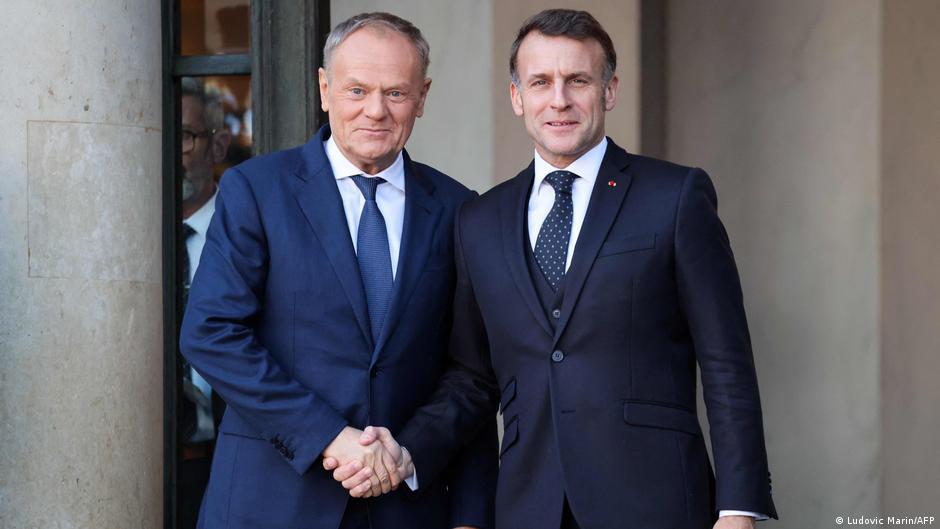
In a significant move to bolster European defense capabilities, France and Poland have announced a joint project to build a dedicated military satellite for the Polish Armed Forces. The announcement was made during a high-profile meeting in Gdańsk between French President Emmanuel Macron and Polish Prime Minister Donald Tusk.
Strategic Partnership in Aerospace Sector
The collaboration involves major defense contractors Thales Alenia Space, Airbus Defence and Space, and the Polish electronics firm RADMOR. This satellite will create a secure communication channel tailored for military use, aimed at enhancing operational security for Poland's armed forces.
"This project is a cornerstone in the European Commission’s defense strategy to ensure autonomous capabilities by 2030," a company release from Thales Alenia Space stated.
The initiative is part of a broader European Union defense plan focused on achieving strategic independence in space-based defense assets. The financial terms of the deal have not been disclosed publicly.
Reducing Dependency on Foreign Satellite Systems
One of the driving factors behind the venture is Europe's desire to decrease reliance on satellite networks like SpaceX’s Starlink, which, while effective, is owned by private interests led by Elon Musk, whose political positions can be unpredictable. This new satellite system will provide Poland—and potentially other EU members—with a controlled, sovereign communication infrastructure for secure military data transmission.
The timing also aligns with the EU’s Security Action for Europe (SAFE) initiative, a fund dedicated to financing investments in European defense technology and infrastructure.
Broader Defense and Security Collaboration
Beyond the satellite project, Macron and Tusk discussed several key defense topics including nuclear deterrence, energy security, and advanced weapons systems. They agreed to advance cooperation in missile defense, long-range weaponry, and early warning systems for missile attacks, signaling a concerted effort to enhance the EU's strategic defense posture.
For American businesses and defense contractors, these developments highlight a shifting dynamic in European defense procurement and strategic partnerships. The EU’s push toward defense autonomy presents new opportunities for collaboration but also underscores the importance of aligning with emerging regional priorities and partnerships.
As the EU seeks to enhance its defense infrastructure by 2030, stakeholders in aerospace and defense sectors should monitor the evolving cooperation frameworks among member states, as these will influence procurement strategies, joint ventures, and competitive positioning in Europe's growing defense market.