Tashkent Farmers’ Markets and Automotive Sector Show Varied Profit Trends in 2025
Financial results reveal significant profit growth for several Tashkent farmers’ markets and the automotive market, while key players experience declines.
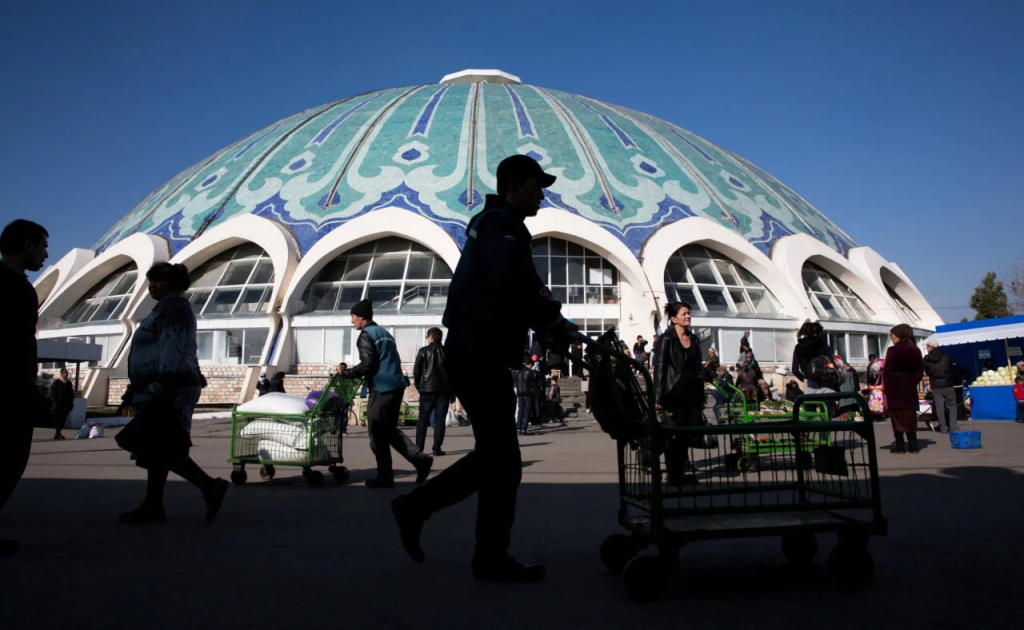
In 2025, Tashkent's farmers’ markets demonstrated mixed financial outcomes, reflecting broader economic dynamics within the capital’s retail and wholesale sectors. Several markets posted substantial profit increases compared to 2024, underscoring successful operational and strategic adjustments, while others saw noticeable declines.
Profit Leaders and Laggers Among Farmers’ Markets
The Askiya farmers’ market emerged as the top earner, recording an impressive profit of 7.95 billion Uzbek soms for the year. This figure represents a nearly twofold increase from the modest 4.1 million soms reported in 2024, indicating a turnaround driven by enhanced market management or increased consumer demand.
"Askiya’s performance in 2025 underscores the potential for strategic repositioning within traditional market sectors to drive substantial financial gains," an industry analyst commented.
Following Askiya, the Mirobod farmers’ market secured second place with profits reaching 6.2 billion soms, marking a rise of 1.8 billion soms over the previous year. This growth suggests sustained momentum and effective adaptation to market conditions.
Meanwhile, Farhod market closed the top three with profits of 3.7 billion soms, while the Chorsu market ranked fourth, generating 3.1 billion soms. Both markets maintained robust profitability, reflecting their established positions in Tashkent’s market ecosystem.
In contrast, the Yunusobod farmers’ market showed stable yet modest growth, with profits increasing slightly by 50 million soms to a total of 2.6 billion soms. Stability here indicates steady consumer base and operational consistency without aggressive expansion.
Notably, the Qo‘yliq farmers’ market experienced a significant downturn, with profits dropping by 1.6 billion soms to 557.3 million soms. This decline raises questions about competitive pressures, management challenges, or shifts in consumer preferences adversely affecting this market’s financial health.
Automotive Market Outperforms Traditional Sectors
Beyond farmers’ markets, the Sergeli automotive market achieved remarkable profitability, posting a net profit of 18.85 billion Uzbek soms in 2025. This figure not only surpasses all farmers’ markets but also highlights the automotive sector’s growing economic significance within Tashkent.
The automotive market’s strong financial performance may be attributed to rising vehicle demand, improved supply chain logistics, or strategic investment in infrastructure facilitating higher transaction volumes.
These results collectively illuminate how different sectors within Tashkent’s marketplace are navigating 2025’s economic landscape, with implications for market operators, investors, and policymakers focused on urban economic development.
As market dynamics continue to evolve, executives and board members managing these markets must analyze underlying factors driving profitability fluctuations. Strategic initiatives focusing on customer engagement, operational efficiency, and competitive positioning will be critical for sustaining growth, especially for markets facing profit declines.
Based on reporting by Deutsche Welle.