Germany Approves 2027 Budget with Record Defense Spending and Increased Borrowing
The German government endorses a 2027 budget featuring a 6% rise in expenditures and expanded defense outlays amid security concerns over Russia.
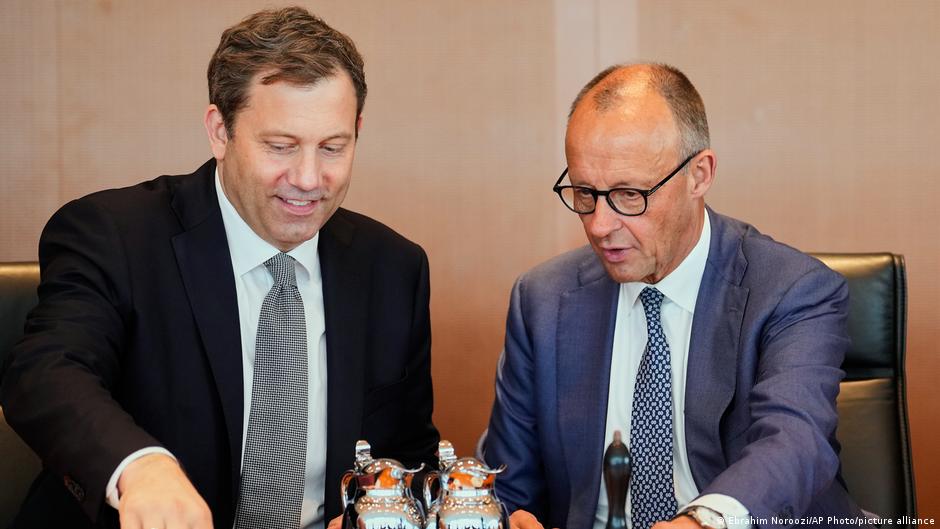
On July 6, the German federal government approved the draft budget for 2027, crafted under the direction of Finance Minister Lars Klingbeil. The proposed budget marks a significant increase in both planned expenditures and new borrowing, signaling a strategic pivot in Germany's fiscal and defense policies amidst ongoing geopolitical tensions.
Key Budget Highlights and Strategic Implications
The total federal expenditure for 2027 is projected to reach €555.4 billion, representing almost a 6% increase over the current year's spending. Correspondingly, net new borrowing is set to rise sharply to €118.7 billion from €98 billion this year.
The largest allocation remains with the Federal Ministry of Labour and Social Affairs, which is slated to receive €201.4 billion, primarily dedicated to pension payments. The Ministry of Defence follows as the second-largest recipient with a planned budget increase of 32.7%, from €82.69 billion in 2023 to €109.75 billion in 2027. This substantial boost underscores Germany's commitment to strengthening its military capabilities in response to security threats posed by Russia.
The Ministry of Transport ranks third, with funding set at €26.43 billion, reflecting ongoing infrastructure and mobility priorities.
"We must make up for three decades of underfunding that weakened our armed forces, and we need to do so on a very tight schedule," stated Lars Klingbeil, co-chair of the Social Democratic Party (SPD). "We cannot defend ourselves from Putin with a balanced budget."
Klingbeil emphasized the urgency of increased defense spending as essential to national security, presenting the budget as a strategic response to the heightened threat environment emanating from Russia.
Corporate Sector Reactions: Calls for Fiscal Prudence and Growth Focus
The budget has drawn criticism from Germany's leading industrial and trade associations, highlighting concerns over the long-term economic impact of rising debt and spending priorities.
Tanja Gönner, CEO of the Federation of German Industries (BDI), expressed alarm over the planned expansion in expenditures and borrowing. "The scheduled growth in budget spending and borrowing is worrying," she said. Gönner urged the government to implement measures that stimulate economic growth and improve the efficiency of public fund utilization.
Similarly, Helena Melnikov, CEO of the Association of German Chambers of Commerce and Industry (DIHK), warned that social spending, defense, and debt interest will consume around 80% of the budget by 2030, leaving limited fiscal space for growth-enhancing investments. "This allocation leaves virtually no room for expenditures that could stimulate economic growth," Melnikov noted.
The budget also proposes reallocating funds from the Climate and Transformation Fund into the main budget, sparking additional debates about prioritization in Germany's financial planning.
As the Bundestag prepares to deliberate on the proposed budget, corporate leaders underscore the need for a balanced approach that safeguards security without compromising economic vitality.
Germany’s 2027 budget reflects not only a response to evolving security challenges but also presents significant implications for fiscal policy, corporate strategy, and economic growth prospects. The government's emphasis on defense and social expenditure will shape boardroom discussions on investment, risk management, and long-term planning within the German business community.