Germany Urges Turkey to Exclude Russian Gas from Future EU Energy Agreements
German Economy Minister emphasizes Brussels' stance against Russian gas in Ankara talks amid evolving EU-Turkey energy strategies.
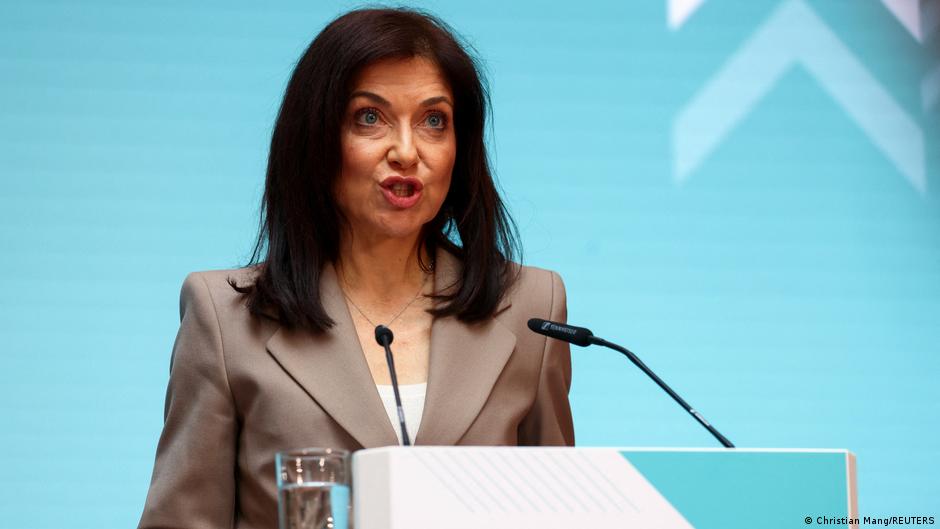
During a two-day visit to Ankara, German Economy Minister Katherina Reiche underscored the European Union's firm position that gas supplies under any future energy agreements involving Turkey should not originate from Russia. This stance reinforces Brussels' broader strategy to sever dependency on Russian energy sources amid geopolitical tensions.
Strategic Energy Decisions Amid Geopolitical Shifts
Reiche's visit, accompanied by a German business delegation, aimed to engage with Turkish counterparts about evolving energy dynamics and trade relationships. Speaking on June 19, she made clear that the EU will insist on non-Russian gas supplies in all forthcoming contracts with Turkey. This directive aligns with the bloc's commitment to reducing reliance on Russian raw materials in response to the ongoing war in Ukraine and related international conflicts.
"We need Turkey as a reliable trade partner and to achieve common political goals," Reiche stated, emphasizing Turkey's role as the EU's fifth-largest trading partner and the near balance in trade relations between the two.
Earlier that day, Reiche met with Turkish Minister of Energy Alparslan Bayraktar to discuss the intricacies of the energy relationship. Turkey, currently the second-largest buyer of Russian gas, is engaged in negotiations with Moscow to renew existing supply agreements nearing expiration. Concurrently, Ankara aims to establish itself as a regional gas hub, diversifying its energy imports and infrastructure.
Reiche acknowledged that Turkish officials recognize the EU's resolve to break free from Russian energy dependence but also conveyed that replacing Russian gas cannot occur abruptly given economic realities and resource limitations.
Notably, Turkey's refineries have already increased crude oil purchases from Iraq and Kazakhstan, reportedly a response to sanctions imposed by the U.S., EU, and UK on the Russian oil sector following Russia's invasion of Ukraine. This diversification effort illustrates Ankara's strategic balancing act between maintaining energy security and navigating complex geopolitical pressures.
The German minister's visit and statements highlight the boardroom-level implications for energy companies and policymakers. European executives engaged in energy procurement and infrastructure development must anticipate regulatory pressures and shifting supply chains as the EU enforces its non-Russian supply policy.
For Turkish energy firms and government stakeholders, balancing long-term contracts with Russia against EU partnership imperatives demands sophisticated negotiation strategies and adaptive corporate planning. Reiche's comments signal a call to align business decisions with evolving geopolitical realities shaping the European and regional energy landscapes.